Free Walk-In HIV and Hepatitis B+C Rapid Tests Land in 58 Lisbon-Metro Pharmacies — Inside the 'Saiba de Si' Programme Targeting Late Diagnoses Across Amadora, Sintra, Odivelas and Loures
From 28 April, 58 community pharmacies in Amadora, Sintra, Odivelas and Loures offer free, anonymous walk-in rapid HIV and hepatitis B+C tests. The 'Saiba de Si' programme targets a 53.9% late-diagnosis rate that climbs to 65% among over-50s and 67.6% in heterosexual male transmission.
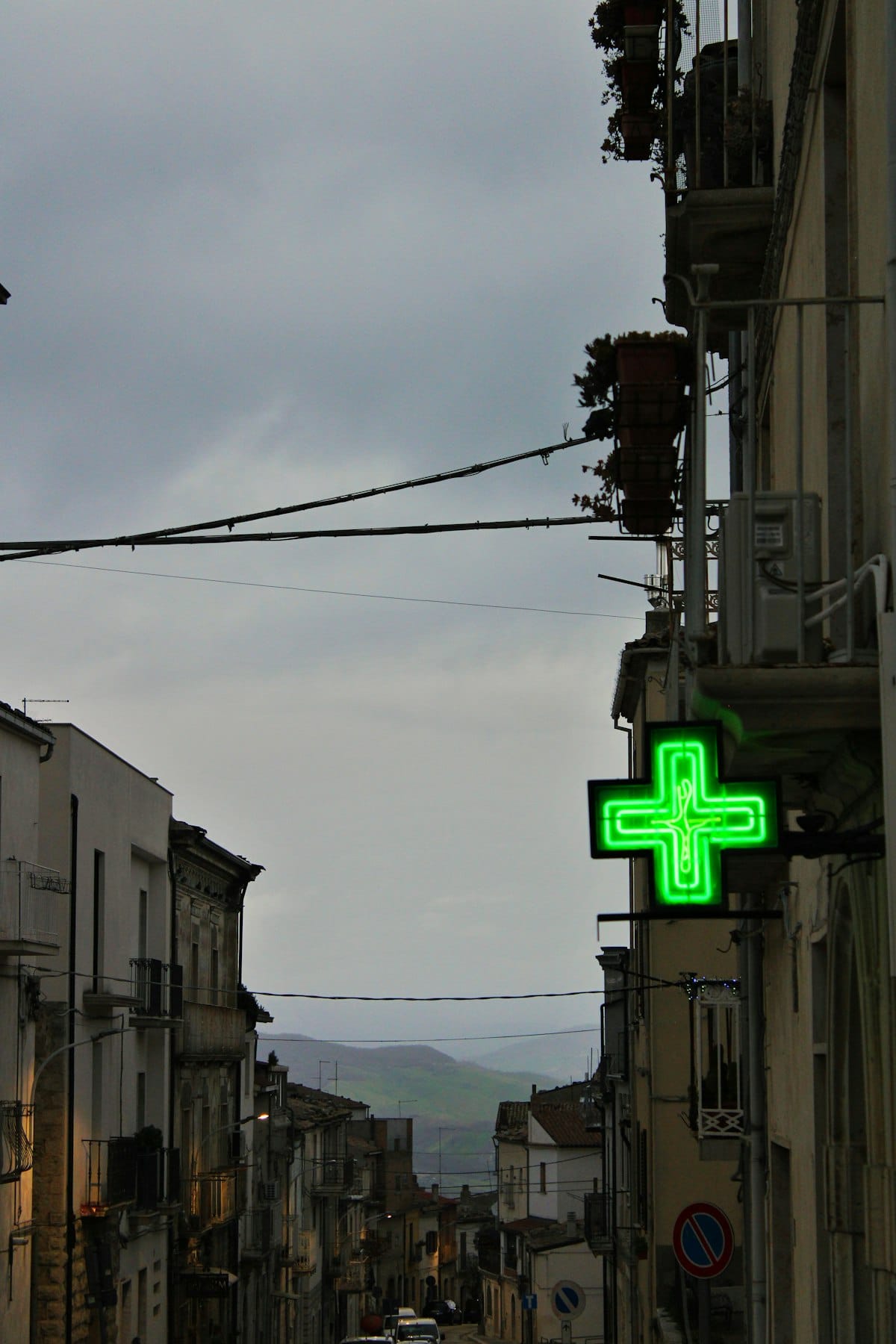
From Tuesday 28 April 2026, 58 community pharmacies across the Área Metropolitana de Lisboa are offering free, anonymous, walk-in rapid tests for HIV and hepatitis B and C. The rollout is the first concrete step of the “Saiba de Si” campaign — a partnership between the Plataforma Saúde em Diálogo, the European FOCUS Programme, and the Associação Nacional das Farmácias — and it focuses on the four AML municipalities with Portugal's highest late-diagnosis rates: Amadora, Sintra, Odivelas and Loures.
Tests are voluntary, confidential, and can be taken anonymously. Eligibility is age 18+. Pharmacy staff have been given specific training; the legal authorisation for rapid point-of-care testing in Portuguese pharmacies has been in place since the DGS Despacho n.º 2522/2018.
Why this rollout, and why now
Portugal still posts numbers above the EU average on both HIV and viral hepatitis. The DGS-INSA “Infeção por VIH em Portugal — 2025” report, published in November, recorded 997 new HIV diagnoses notified in 2024 (951 of them in Portugal), translating to 8.8 cases per 100,000 inhabitants. The headline that drove this campaign is the late-diagnosis share: 53.9% of all new diagnoses were classified as late presentation, rising to 65.4% among people aged 50 or over, and 67.6% among men diagnosed through heterosexual transmission.
Even after a real reduction — new HIV cases fell roughly 35% and new AIDS cases 43% between 2015 and 2024 — Portugal's AIDS rate remains close to three times the EU average. The geography is uneven: the AML municipalities chosen for “Saiba de Si” sit at the top of the diagnosis curve, alongside Almada, Oeiras and Portimão under the Fast Track Cities label.
How it works at the counter
You walk in. You ask for the rapid test. A trained pharmacist takes you to a private space, takes a small fingerstick blood sample, and returns the result within roughly 15 to 20 minutes. There is no charge to the user, and no requirement to register a name or NIF. Pharmacies have been trained in pre-test counselling and post-test referral, so a reactive result is followed by a structured handover — not a leaflet on the way out the door.
For HIV, a reactive rapid test is treated as presumptive and is always confirmed by a second laboratory test. The pharmacy will refer you into the public hospital network — in AML, that typically means Hospital Egas Moniz, Hospital de Santa Maria, Hospital de Vila Franca de Xira, or Hospital Beatriz Ângelo, depending on the municipality of residence. For viral hepatitis, the referral pathway is to a hepatology consulta in the SNS hospital that covers the user's local ACES.
Jaime Melancia, presidente da Plataforma Saúde em Diálogo, frames the choice of pharmacy as the central insight of the programme: pharmacies, he told reporters, “pela relação de confiança que mantêm com as comunidades, são um ponto-chave para alcançar pessoas que de outra forma não fariam estes rastreios.”
The four municipalities
- Amadora. One of Portugal's most densely populated municipalities, with high rates of community-based HIV diagnosis. Pharmacies in Reboleira, Bra–Alfornelos and Venteira are among the participants in the first wave.
- Sintra. The largest municipality in AML by population. Particular focus on Algueirão-Mem Martins, Cacém and Casal de Cambra.
- Odivelas. Compact municipality with high commuter throughput; participating pharmacies are concentrated near the Odivelas, Pontinha and Senhora da Luz Metro stations.
- Loures. Includes Sacavém, Moscavide, São João da Talha, Bobadela and Santa Iria de Azoia — the corridor that runs out to Vila Franca de Xira along the river.
The exact list of 58 pharmacies will be published on the Plataforma Saúde em Diálogo and ANF channels through May; the campaign is expected to expand across the rest of AML over the year, then to other Fast Track Cities.
Who this matters for
Two profiles in particular sit inside the late-diagnosis numbers and are explicitly part of the target audience:
- People aged 50+, where almost two thirds of new HIV diagnoses arrive late. Doctors don't always raise the question with this group, and clinic-based testing has chronically under-served it. The pharmacy walk-in lowers the activation cost.
- Men diagnosed via heterosexual transmission, where the late-diagnosis share is 67.6%. The pharmacy model is anonymous and proximate, and avoids the social stigma some users associate with the SNS centro de saúde.
What this means for expats
- You don't need a NIF, an SNS número de utente, or even an AIMA-issued residence card to be tested. The programme is anonymous and free at the point of use. If you have arrived recently and are still without an SNS card, this is a way to access HIV and hepatitis screening immediately.
- If you have private health insurance, the pharmacy rapid test does not interact with your insurance file. Confirmatory laboratory testing through the SNS pathway is also free of charge under the National Programme for Infections by HIV (PNVIH); a private hepatology or infectious-disease consulta would be billed against your policy.
- Language at the counter. The Observador report does not specify pharmacist languages; in practice, English is widely spoken in AML community pharmacies, with French and Spanish frequent and Portuguese always the default. If you would prefer a written-information handout in another language, ask — the FOCUS Programme has produced multi-language materials.
- If you are pregnant or planning pregnancy, hepatitis B testing is part of the standard SNS antenatal panel; the pharmacy rapid test is not a substitute, but is useful pre-pregnancy if you do not yet have a designated obstetrician.
- If you take PrEP, the pharmacy rapid test is a complement, not a substitute, to your quarterly clinic-based screening — antibody-based rapid tests have a window period of roughly 90 days. Talk to your prescribing centre.
What to watch next
The 58-pharmacy AML rollout is the pilot wave; expansion across the remaining Fast Track Cities (Almada, Oeiras, Portimão, plus Cascais and Lisboa) is planned for the rest of 2026. The legal-policy backstop — Despacho 2522/2018 — permits the same model for hepatitis C cure-rate monitoring, which is the next likely extension.
For everyday users, the practical change is simpler: a screening service that previously meant a marked appointment at a centro de saúde, an SNS number, and a half-day off work, is now a five-minute stop at the pharmacy on the way home from the Metro. That is the whole point of the redesign — and it is the first step of a public-health programme that, alongside the rest of Portugal's SNS investments this spring, prioritises catching the cases that have been arriving too late.