Health Minister Pledges Imminent SINACC Tariff Update for Consultations and Surgeries at Convencionados Hospitals — Aphp Cites Erosion Since the Last Tabela Revision as Waiting Lists Pile Pressure on the SNS Pipeline
Portugal's Minister of Health confirmed on Tuesday 12 May 2026 — and repeated through the latter half of the week — that the prices contracted with private and social-sector hospitals under the SINACC framework (Sistema Integrado de Gestão do Acesso...
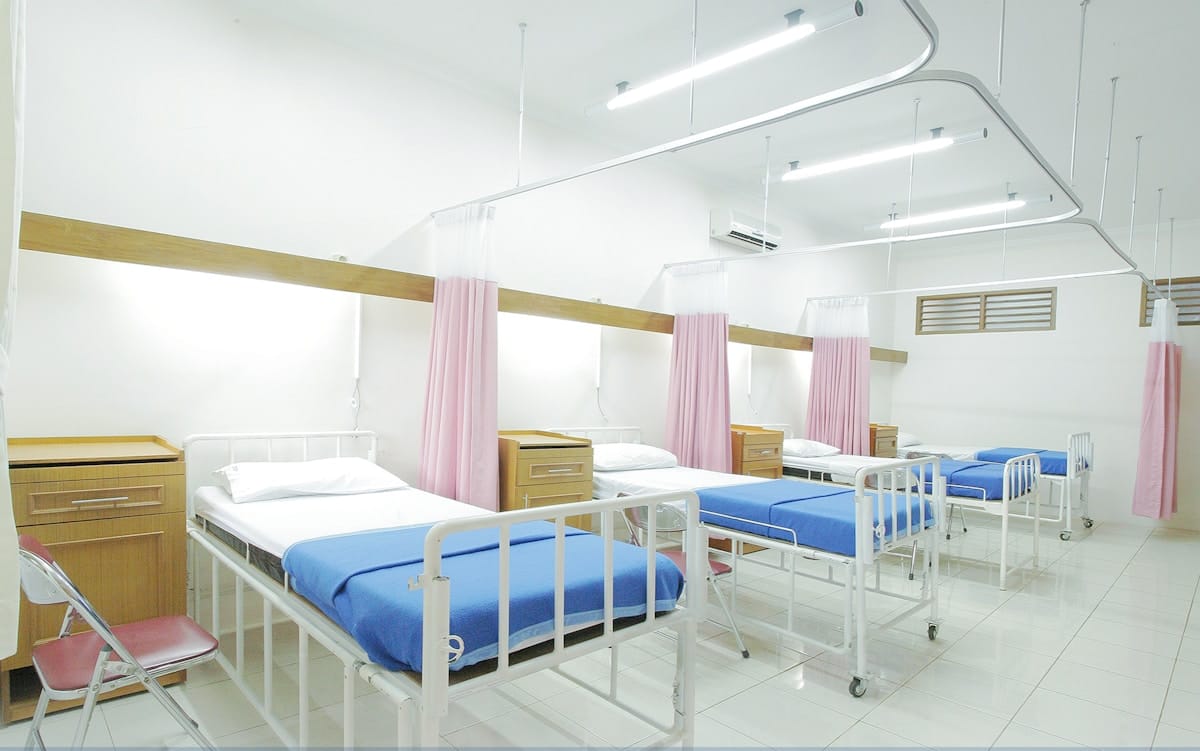
Portugal's Minister of Health confirmed on Tuesday 12 May 2026 — and repeated through the latter half of the week — that the prices contracted with private and social-sector hospitals under the SINACC framework (Sistema Integrado de Gestão do Acesso a Consultas e Cirurgia) will be updated 'in the coming days'. The SINACC channel is the SNS escape valve: when a public hospital cannot meet the consulta or cirurgia within the Tempo Máximo de Resposta Garantido, the patient is redirected to a privado or social-sector contracted-care provider at a tariff fixed by the State. The Aphp — Associação Portuguesa de Hospitalização Privada — has been flagging since the start of 2026 that the existing tabela has not kept pace with sector costs, and that some hospitals have begun to push back against accepting referrals at the legacy prices.
Why the tabela matters now
The SNS is running into the Q1 2026 print of the surgical-and-consulta volume gap. The Diretora Executiva Adjunta do SNS confirmed at the Comissão de Saúde at Parliament earlier in May that the system performed 1,870 fewer cirurgias in H2 2025 than in H2 2024, with the sharpest contractions in cirurgias cardíacas and cirurgias oncológicas — exactly the high-acuity tracks where the SINACC escape valve has historically been the most relied-upon. The combination of stagnant tabelas, rising private-sector input costs (wages, consumables, energy) and a Q1 2026 first-half print of compressed SNS productive capacity has forced the minister into the early-summer tabela revision. The Ministério referred to it as 'algo que vai acontecer nos próximos dias' — language that operationalises the commitment.
The mechanics of the revision
The SINACC tabela sits in a portaria of the joint Saúde-Finanças ministries — meaning the revision needs the green light of Finanças Minister Joaquim Miranda Sarmento. The exact percentage uplift has not been publicly disclosed, but Aphp's working number across the negotiating channel has been a high-single-digit revision (8% to 12%) for the bulk of the schedule, with double-digit adjustments for the cardiac-and-oncology procedures the private sector currently faces capacity strain on. A revision at the high end of the range would push the SINACC budgetary envelope up by approximately €40 million on an annualised basis, fitting inside the OE2026 Saúde envelope that the Government already padded with the 2025 reinforcement.
The waiting-list arithmetic
The SINACC channel is functioning today inside a system where about 2,800 patients with clinical discharge are still occupying SNS hospital beds awaiting either social-care placement or continued-care availability. Each freed bed in a public hospital improves the surgical throughput at the front end; each SINACC referral that lands at a private hospital takes pressure off the same back-end constraint. A tabela uplift that succeeds in keeping all 80-plus convencionado hospitals in the network reduces the procedural and clinical leakage that would otherwise build over the summer when SNS productive capacity is at its seasonal trough.
What it means for residents and expats
SNS users who have been waiting on a non-urgent consulta or cirurgia for longer than the Tempo Máximo de Resposta Garantido are the direct beneficiaries of a higher-priced, better-staffed SINACC network. The redirection is administered automatically by the SNS — the patient receives a vale (voucher) and a contracted appointment at a chosen private hospital, with the SNS paying directly to the hospital under the tabela. Recent arrivals who are SNS-registered but do not yet hold private health insurance should be aware that the SINACC route is the formal exit valve that exists in the system, and that the imminent tabela revision is intended to keep it functional. For private-insurance subscribers — Médis, Multicare, Allianz, Advancecare — the SINACC update does not directly change premium pricing in 2026 but does feed through into the medium-term private-network claims-cost base, with the seguros-de-saúde sector already flagging a 10% uplift for the 2026 renewal cycle. The Q1 2026 average gross monthly earnings reading at €1,611 sets the relative-affordability backdrop against which the seguro-de-saúde cost increase needs to be weighed.
Sources: Ministério da Saúde declarations, 12-15 May 2026; ECO; Público; Aphp position paper; Comissão Parlamentar de Saúde transcripts.