Government Unveils Emergency Package on Fuel Prices, Energy Consumer Protections
The Council of Ministers on Thursday approved a sweeping package of measures to shield Portuguese families and businesses from the energy price surge triggered by the Middle East conflict. Announced by Minister of the Presidency Antonio Leitao...
The Council of Ministers on Thursday approved a sweeping package of measures to shield Portuguese families and businesses from the energy price surge triggered by the Middle East conflict. Announced by Minister of the Presidency Antonio Leitao Amaro, the measures range from immediate fuel subsidies to structural reforms aimed at reducing Portugal's long-term dependence on energy imports.
Immediate Relief
The centrepiece of the short-term response is a fiscal clawback mechanism designed to ensure the state does not profit from rising fuel costs. "The state cannot gain from the increase in the cost of living," Leitao Amaro declared. "The state must return what it is earning in additional VAT through ISP [fuel tax]." This mechanism was approved before the first major price spike, suggesting the government anticipated the trajectory.
Portugal has also released 10% of its strategic fuel reserves to increase supply and help stabilise prices. For professional diesel users -- hauliers, public transport operators, and firefighters -- a new extraordinary subsidy offers a 10-cent-per-litre discount for three months, capped at 15,000 litres, aimed at preventing cascading price increases in goods and services.
The solidarity gas bottle subsidy has been raised from 15 to 25 euros per purchase, targeting vulnerable households who rely on bottled gas for cooking and heating.
New Consumer Protections
Beyond emergency subsidies, the government introduced structural consumer protections for the energy market. In municipalities with more than 200,000 inhabitants, energy suppliers will now be required to offer fixed-price contracts of at least one year -- a significant shift that gives consumers certainty amid volatile wholesale markets.
The package also strengthens rules around energy supply disconnections. The energy regulator ERSE will define new restrictions preventing cutoffs during critical periods such as winter and summer extremes. Before any disconnection, suppliers must offer reduced-power minimum supply, and total cutoffs are now prohibited for vulnerable consumers during declared crises.
Payment plans must be offered in cases of non-payment, with terms adjusted to the economic circumstances of vulnerable households.
Crisis Mechanism: Price Caps on the Table
Perhaps the most significant new tool is a crisis response mechanism aligned with EU directives. When wholesale electricity exceeds 180 euros per megawatt-hour or severe market disruptions occur, the government gains authority to impose extraordinary price limits -- potentially below cost -- for families and businesses. Subsidies would cover up to 80% of previous consumption for households and 70% for companies, conditional on energy efficiency measures.
Long-Term Pivot
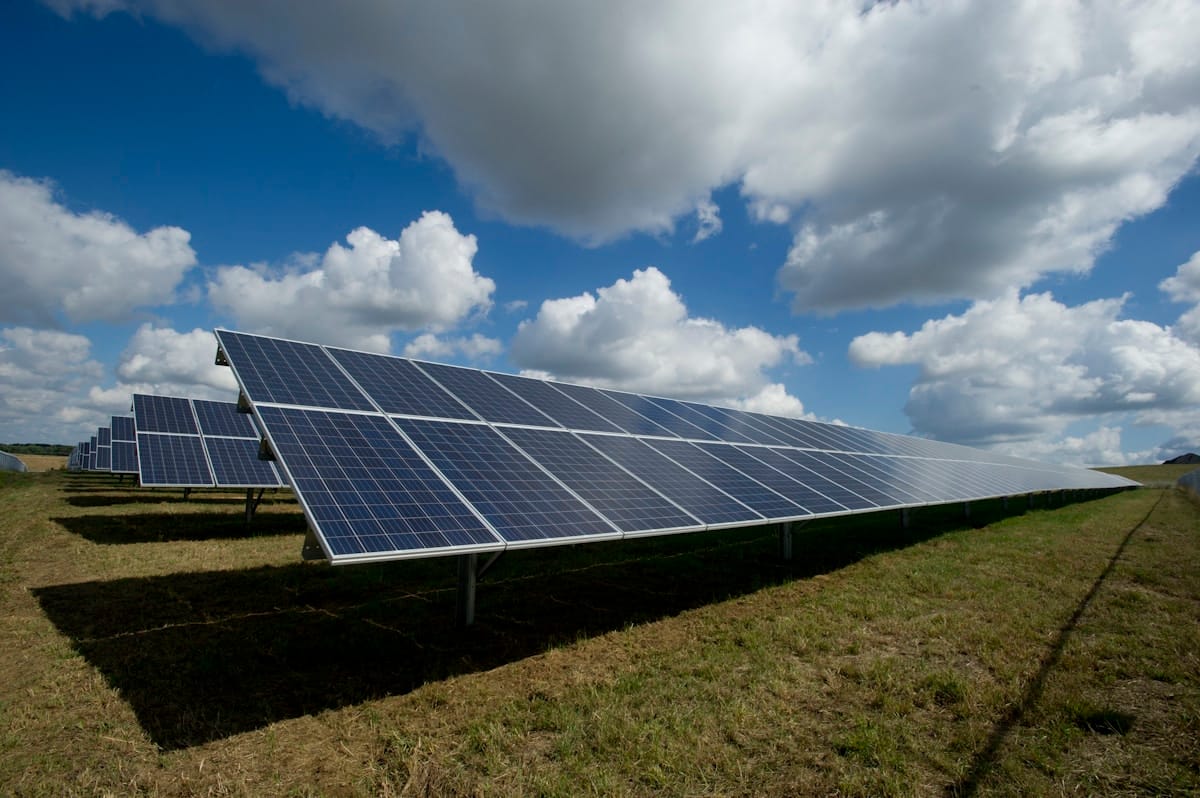
The government also approved accelerated licensing for renewable energy projects and designated "acceleration zones" for new installations. The message is clear: the current crisis has sharpened Portugal's resolve to break free from fossil fuel dependency. For the country's large expatriate and immigrant communities, many of whom rent and face direct exposure to energy cost increases, the consumer protection measures offer a meaningful -- if partial -- buffer against what could be a prolonged period of elevated prices.