Government Unveils Emergency Energy Package: Diesel Discounts, Faster Renewables and a Promise the State Won't Profit From the Crisis
Portugal's government approved a sweeping package of energy measures on Thursday, combining immediate fuel price relief for professionals with structural reforms aimed at accelerating the country's transition to renewable energy. The message from...
Portugal's government approved a sweeping package of energy measures on Thursday, combining immediate fuel price relief for professionals with structural reforms aimed at accelerating the country's transition to renewable energy. The message from the Council of Ministers was unambiguous: the state should not be profiting from the crisis.
"The state cannot gain from the increase in the cost of living. It must return what it is earning additionally in VAT," said António Leitão Amaro, the Minister of the Presidency, at a press conference following the cabinet meeting.
Immediate Relief: 10-Cent Diesel Discount
The headline measure is a new 10-cent-per-litre discount on professional diesel, effective immediately and valid for at least ten months, with a cap of 15,000 litres per vehicle. The discount applies to haulage companies, taxis, and emergency services including fire brigades, and comes on top of an existing 6-cent reduction already in place.
The combined 16-cent discount is designed to prevent the spiralling cost of fuel from feeding through into the prices of goods and services that depend on road transport. "With this measure, we contain the rise in other products and services" that require passenger or freight transport, Leitão Amaro said.
Separately, the government confirmed it is raising the solidarity gas cylinder subsidy from its current level to 25 euros, a direct support for households that rely on bottled gas for cooking and heating — a reality for hundreds of thousands of Portuguese families, particularly in rural areas and older housing stock.
Structural Push: Renewables Acceleration
Beyond the emergency measures, the government used Thursday's package to advance a broader energy sovereignty agenda. The cabinet approved a simplification of the licensing process for renewable energy installations, created designated "acceleration zones" for renewable deployment, and introduced a mechanism to reallocate unused grid capacity to producers ready to invest.
"Licences that are not being used can be quickly taken up by other producers who have the capacity to complete investments faster," Leitão Amaro explained.
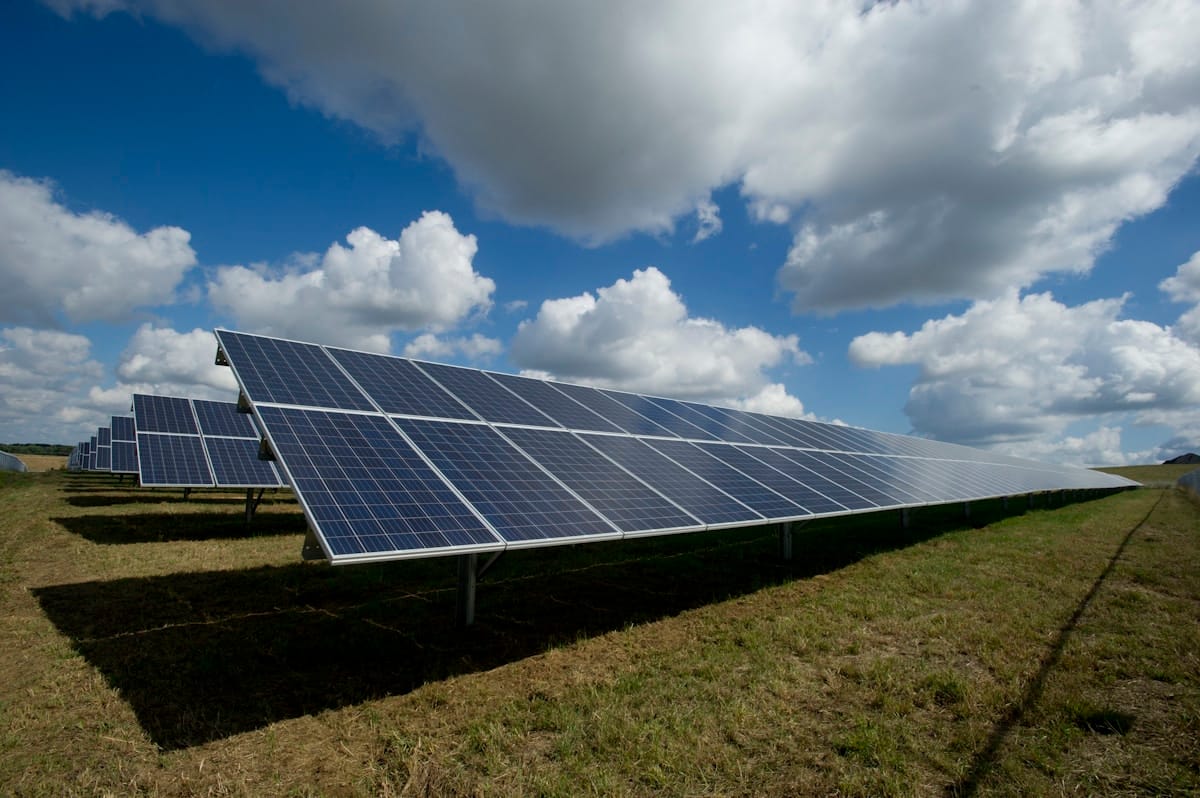
In a move that will be welcomed by homeowners and small businesses, all renewable energy production for self-consumption up to 800 kWh is now exempt from prior licensing requirements. This effectively removes red tape for standard residential solar panel installations, making it easier for households to reduce their dependence on grid electricity and fossil fuel prices.
The Context: Why Now
The package responds to a confluence of pressures. The escalation in the Middle East has driven up global oil and gas prices, hitting Portugal's import-dependent energy sector hard. The country was already dealing with the fiscal and economic fallout from January's devastating storms, which damaged infrastructure and housing across the country.
Prime Minister Luís Montenegro, speaking from Brussels ahead of the European Council meeting, acknowledged that Portugal may run a budget deficit in 2026 — a notable shift from the government's previous commitment to fiscal surplus. The EU Council is expected to express solidarity with Portugal over the storm damage in its summit conclusions.
What It Means in Practice
For residents, the most immediate impact will be at the pump and on the gas bill. Professional transport operators should see the diesel discount reflected quickly, which could help slow price increases for delivered goods. The gas cylinder subsidy increase offers direct, if modest, relief to some of the country's most vulnerable households.
The renewables measures represent a longer game. Portugal already generates a significant share of its electricity from wind and hydro, but solar adoption at the household level has lagged behind neighbouring Spain. Removing licensing barriers for small-scale solar could accelerate uptake, particularly among homeowners looking to insulate themselves from volatile energy markets.
For the growing community of foreign residents — many of whom have invested in property renovation — the simplified solar licensing is particularly relevant. Installing panels without navigating Portugal's notoriously complex bureaucratic processes has just become significantly easier.