Government Commits EUR 150 Million to Deploy Shepherds and Livestock as Portugal's Frontline Wildfire Defence
Portugal is spending EUR 30 million a year for five years to pay shepherds and their flocks to clear wildfire fuel from high-risk zones, offering a EUR 30,000 bonus to attract young people into the profession.
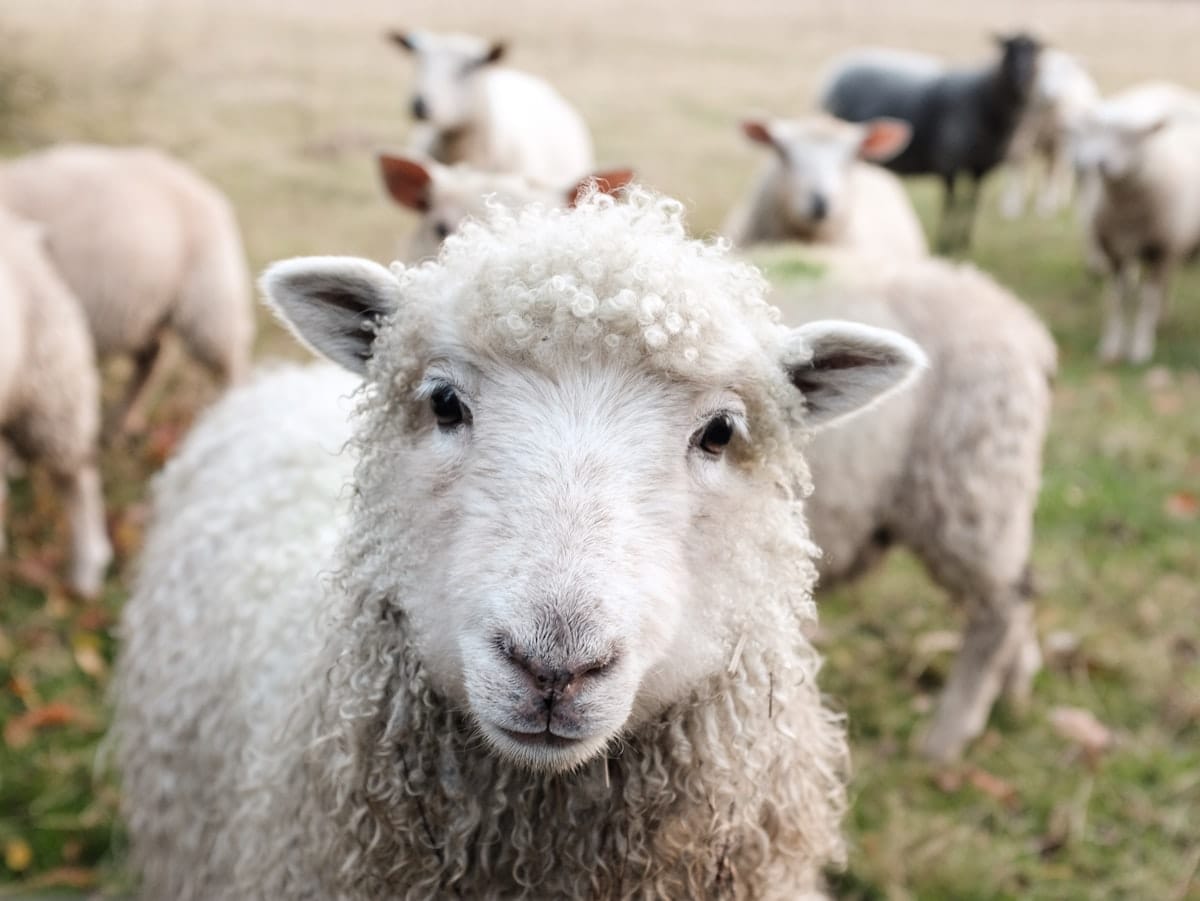
The Portuguese government is committing EUR 150 million over the next five years to an ambitious programme that deploys shepherds and their flocks as the country's first line of defence against wildfires — a strategy that trades helicopters and bulldozers for sheep, goats, and cattle.
How the programme works
Announced on Thursday by Agriculture Minister Jose Manuel Fernandes and Environment Minister Maria da Graca Carvalho at Serra de Aire e Candeeiros in the Leiria district, the Programme for Support to Reduction of Fuel Load through Extensive Grazing channels EUR 30 million a year from the Environmental Fund into two main pillars.
The first allocates EUR 7.5 million annually to common-land areas, known as baldios, paying an indicative EUR 120 per hectare for managed grazing. The second dedicates EUR 15 million a year directly to farmers whose animals clear vegetation in high-risk fire zones, offering EUR 150 per nursing cow and EUR 30 per sheep or goat.
A EUR 30,000 bonus to become a shepherd
In a country where the average age of farmers continues to climb and rural villages are emptying out, the government is dangling a EUR 30,000 installation bonus — EUR 8,400 a year for the first three years and EUR 2,400 for the final two — to attract young people into the profession. Additional support covers the purchase of animals, with higher subsidies for native Portuguese breeds.
"We want to attract young shepherds, increase the number of animals and shepherds, and give value to this profession," Carvalho said at the launch event.
Why goats and sheep, not machines?
Portugal's earlier Cabras Sapadoras (Firefighter Goats) pilot programme, which ran from 2018 to 2023, demonstrated a 45 per cent drop in fire incidents and a 55 per cent reduction in burned area in participating zones. Livestock eat the low scrub and undergrowth that acts as kindling during summer heat, maintaining firebreaks that machinery would need to clear repeatedly at far greater cost.
The approach also delivers on climate targets outlined in Portugal's 2030 National Energy and Climate Plan, reducing greenhouse gas emissions while revitalising the rural economy.
What it means for expats and rural property owners
For the growing number of foreign residents who have bought property in Portugal's interior — from the Alentejo to Tras-os-Montes — the programme could mean lower wildfire insurance premiums and reduced risk to homes and land over time. Applications are processed through the IFAP portal via the Single Aid Request system, with the government promising simplified procedures and faster payment timelines.
With fire season approaching and last year's devastating blazes still fresh in memory, the bet on four-legged firefighters may be Portugal's most cost-effective insurance policy yet. On the compensation side of the file, the natural-catastrophe declaration that opened the €10 million farm-recovery call sets out the 32 parishes across nine councils the despacho actually names, the 30 percent damage threshold, the 100 / 80 / 50 support scale that turns on whether you hold agricultural insurance, and the 17:00 deadline on 27 October. For readers who keep animals of their own, our guide to keeping chickens and other small livestock in Portugal sets out the detenção caseira ceiling of 3 CN and 100 birds, the 4.50 euro registration with the veterinary service, the flock declaration due by 30 September, the bird-flu editais that can confine hens indoors, and the producer registration you need the moment you sell an egg. For readers who keep animals on their own land, our guide to identifying and registering a horse or donkey in Portugal, from the compulsory DIE passport and the microchip to the holding mark you need before either covers the paperwork.