Geoparque Algarvensis Joins UNESCO's Global Network — Loulé, Silves and Albufeira Carry Portugal's Seventh Global Geopark Across 2,427 km² South of the Tagus
Portugal picked up its seventh UNESCO Global Geopark on Thursday, 24 April 2026, with the designation of Geoparque Algarvensis . The territory — shared by the municipalities of Loulé, Silves and Albufeira — is the first and only UNESCO Global...
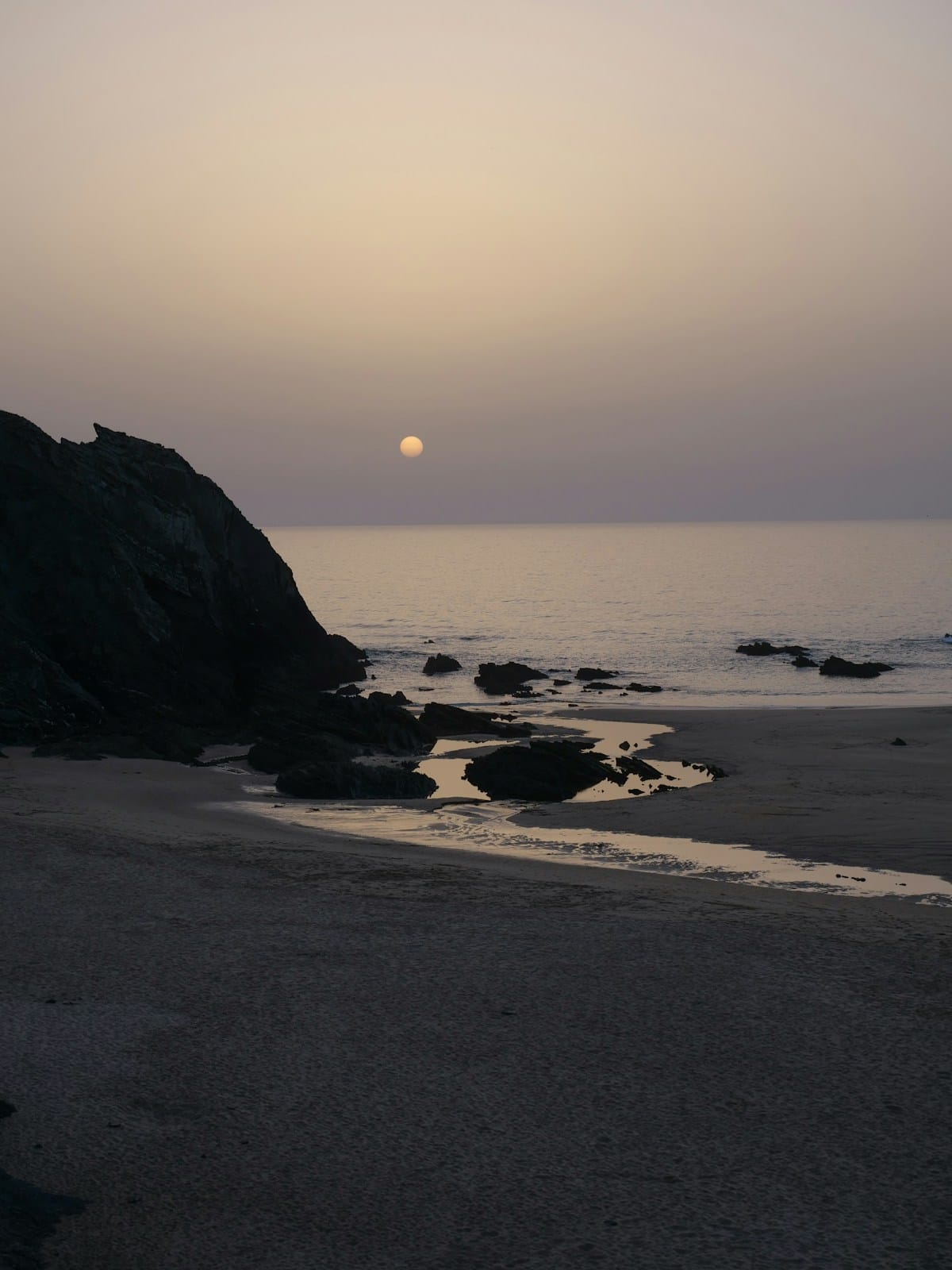
Portugal picked up its seventh UNESCO Global Geopark on Thursday, 24 April 2026, with the designation of Geoparque Algarvensis. The territory — shared by the municipalities of Loulé, Silves and Albufeira — is the first and only UNESCO Global Geopark in Portugal south of the Tagus, and lands at 2,427 square kilometres stretching from the interior Serra down through the limestone Barrocal and out to the coastal Litoral.
The UNESCO Global Geoparks programme is not a protected-area designation in the sense of a national park. It is a territorial label that recognises a region with geological heritage of international significance and a management framework that ties that heritage to sustainable local development. The Algarvensis dossier cleared the bar on both counts.
What the Park Contains
The Algarvensis territory documents more than 330 million years of geological history — tectonic, volcanic and sedimentary processes written into outcrops that run from the Palaeozoic basement of the Serra do Caldeirão, through the jagged Jurassic and Cretaceous limestones of the Barrocal, down to the Miocene sedimentary record that shapes the coastline at Albufeira and Armação de Pêra. The three zones are geologically distinct and geographically stacked: the Serra forms the northern edge, the Barrocal the limestone middle, and the Litoral the thin Mediterranean coastal strip tourists know best.
The dossier includes significant marine components as well, which is part of what distinguishes Algarvensis from Portugal's six northern and central geoparks. The Algarve's submarine geology — from the karst formations that shape the coastal caves at Benagil and the Ponta da Piedade through to the continental-shelf features offshore — is inside the geopark's remit alongside the terrestrial heritage.
The Management Structure
Algarvensis is managed as a formal partnership between the three municipalities, the Universidade do Algarve, public entities, the scientific community and local residents. That tri-municipal structure was one of the more difficult parts of the UNESCO application: Global Geoparks require a single coordinated management entity with a multi-year financial plan, and three separate câmaras municipais don't automatically produce that. The Algarvensis partnership took roughly a decade of aspirational geopark status at European level before assembling the governance and budget framework that UNESCO accepts.
Silves Mayor Luísa Conduto Luís, whose municipality hosted much of the coordination work, said the designation "consolidates Portugal's international positioning in valuing geological heritage and in implementing sustainable territorial development strategies" — the kind of language that matters because it mirrors the criteria UNESCO applies to renewal assessments every four years. Global Geoparks keep their status only if the management plan continues to deliver education, conservation and community-participation outcomes.
The Portugal Context
With Algarvensis, Portugal now hosts seven UNESCO Global Geoparks — a figure that puts the country into the top tier of the network in Europe on a per-capita basis. The earlier six span the whole national territory: Naturtejo (Beira Baixa, designated 2006), Arouca (north, 2009), Açores (island chain, 2013), Terras de Cavaleiros (Trás-os-Montes, 2014), Estrela (central mountains, 2020) and the Oeste geopark on the Atlantic coast north of Lisbon. Algarvensis is the first southern-tier addition and the first to incorporate significant marine zones in its formal boundaries.
UNESCO confirmed 12 new global geoparks in the same designation round alongside Algarvensis, drawn from China, France, Greece, Ireland, Japan, Malaysia, Russia, Tunisia, Uruguay and other countries. The Global Geoparks Network now numbers 241 sites across 51 countries, with Europe and East Asia continuing to carry the bulk of the total.
Why It Matters for Residents
For foreign residents in the Algarve — and anyone who lives in Loulé, Silves or Albufeira — the immediate practical consequence is that roughly two-thirds of the central Algarve's territory is now inside a UNESCO framework that promotes geoturismo (geological tourism) and restricts certain kinds of unplanned development. The Barrocal, in particular, is exactly the kind of under-visited Algarve interior the Turismo de Portugal's inland-tourism push is targeting, and the UNESCO label is a marketing instrument regional operators will use.
It also means that places most visitors know as tourist sites — the sea caves between Albufeira and Armação de Pêra, the Fonte Benémola karst springs near Querença, the cliff-walk at Ponta da Piedade, the limestone ridges of Rocha da Pena and Rocha dos Soidos — are now formally part of an internationally recognised geological heritage territory. The short version: the Algarve already had the geology. It now has the certificate that goes with it. On the conservation, nature-policy and rural-development side of the file, our 5 June read on UNESCO's MAB Programme admitting the Serra da Estrela to the World Network of Biosphere Reserves at the 38th ICC session — 2,372.99 km² across Seia, Gouveia, Celorico da Beira, Guarda, Manteigas and Covilhã, the three-zone Núcleo/Tampão/Transição split, ICNF as the national focal point and Portugal's MAB roster lifting from 13 to 14 sites alongside the 2020 Estrela Geopark and the queijo Serra da Estrela DOP sets the latest reference. On the nature, forests and wellness-tourism side of the file, Buçaco's new certification as a therapeutic forest sets the latest reference.