Finance Ministry Scraps the 40% Automatic Cativação on Office Supplies in the Tuesday 26 May Diário da República Decree — Centralised Reserve Channels the Freed Spend to Salaries, Social Security and Overdue-Payment Clearance
The Portuguese Finance Ministry has dropped the system of cativações automáticas — the blanket spending freezes that automatically blocked execution above pre-set ceilings inside public administration — and replaced it with a centralised budgetary...
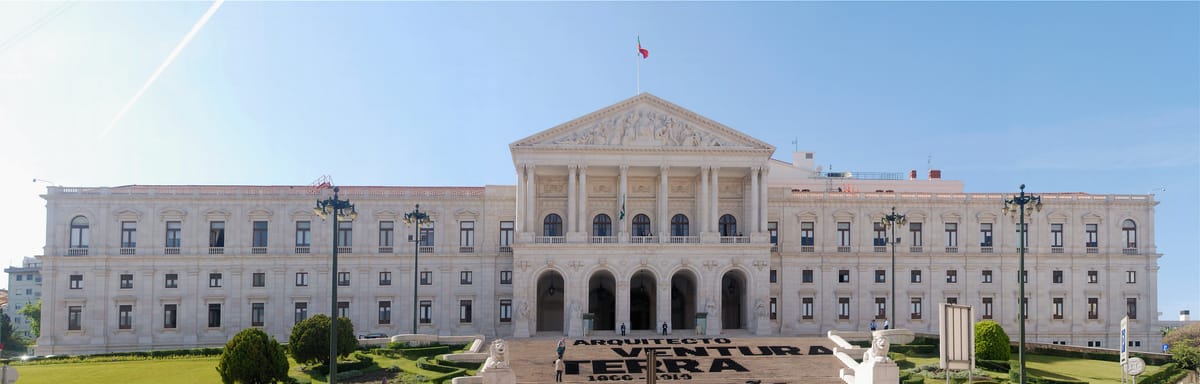
The Portuguese Finance Ministry has dropped the system of cativações automáticas — the blanket spending freezes that automatically blocked execution above pre-set ceilings inside public administration — and replaced it with a centralised budgetary reserve aimed at salary payments, social security contributions and the clearance of overdue invoices. The new decree was published in Diário da República on Tuesday 26 May 2026 and represents the most consequential rewrite of the 2026 budget-execution rulebook since the State Budget itself took effect on 1 January.
The 2025 system that is now being retired worked by automatically suspending fresh spending commitments whenever a public body crossed a pre-set ceiling on personnel, current expenses or transfers to entities outside public administration. The harshest of the automatic freezes was the 40% block on administrative supplies — paper, ink, copiers and similar items — which had become a symbolic flashpoint for ministries arguing that the rule starved operational lines without producing meaningful savings on the macro-fiscal aggregate.
The replacement model concentrates the freed amounts in a centralised reserve account managed by the Finance Ministry, with the released funds earmarked for three priority uses: 'remunerações certas e permanentes' — i.e. the permanent salary bill — social security contributions, and reducing overdue payments to suppliers and beneficiaries. The shift is timed to absorb the pressure on personnel expenditure built into the 2026 State Budget through the Pluriannual Agreement for the Valorisation of Public Administration Workers 2026-2029, signed on 21 January 2026, which carries scheduled salary updates, career progressions and recruitment lifts in health, education and security.
The Budget framework itself, set out in the State Budget 2026, retains a two-layer reserve architecture even after Tuesday's decree: a central reserve of 2.5% of each programme allocation, releasable by dispatch of the Finance Minister; and a sectorial reserve of 5%, whose release requires authorisation from the oversight ministry. The May 26 decree slots into that frame rather than replacing it — what it removes is the automatic mechanical block on operational lines, in favour of a discretionary release tied to the priority-spend purposes.
The monitoring frame has, in parallel, been tightened rather than relaxed. The renamed budgetary-control entity will run monthly compliance checks on each public organism, with a 1% fund retention triggered after three consecutive non-compliance episodes. The intent is to swap the upfront automatic squeeze for a calendar-driven oversight loop that, in the Finance Ministry's reading, allows operational continuity while preserving the year-end aggregate target.
For Portuguese ministries, the practical effect is twofold. The high-personnel-cost sectors — Saúde, Educação and the Administração Interna security forces — gain visibility on the salary and contribution lines that had been functionally squeezed under the previous regime. And the day-to-day procurement of basic operational inputs, which the 40% automatic supplies cativação had distorted into a recurring administrative pain point, returns to a normal execution rhythm. For suppliers waiting on overdue invoices, the explicit naming of 'redução de pagamentos em atraso' as one of the priority uses of the centralised reserve is the most concrete element of the decree — and the one that the Conselho das Finanças Públicas will track closely in its next execution bulletin.