European Commission Drafts 'Uma Viagem, Um Bilhete' Cross-Operator Rail Rule on Tuesday 13 May 2026 — €7.78 Billion Passenger Savings by 2050, 2027 Operator Deadline, Five-Month Advance-Sale Window and Single-Refund Pipeline
The European Commission tabled on Tuesday 13 May 2026 a draft regulation that builds a single cross-operator booking-and-refund framework for rail travel inside the European Union, branded 'Uma Viagem, Um Bilhete, Direitos Garantidos' in the...
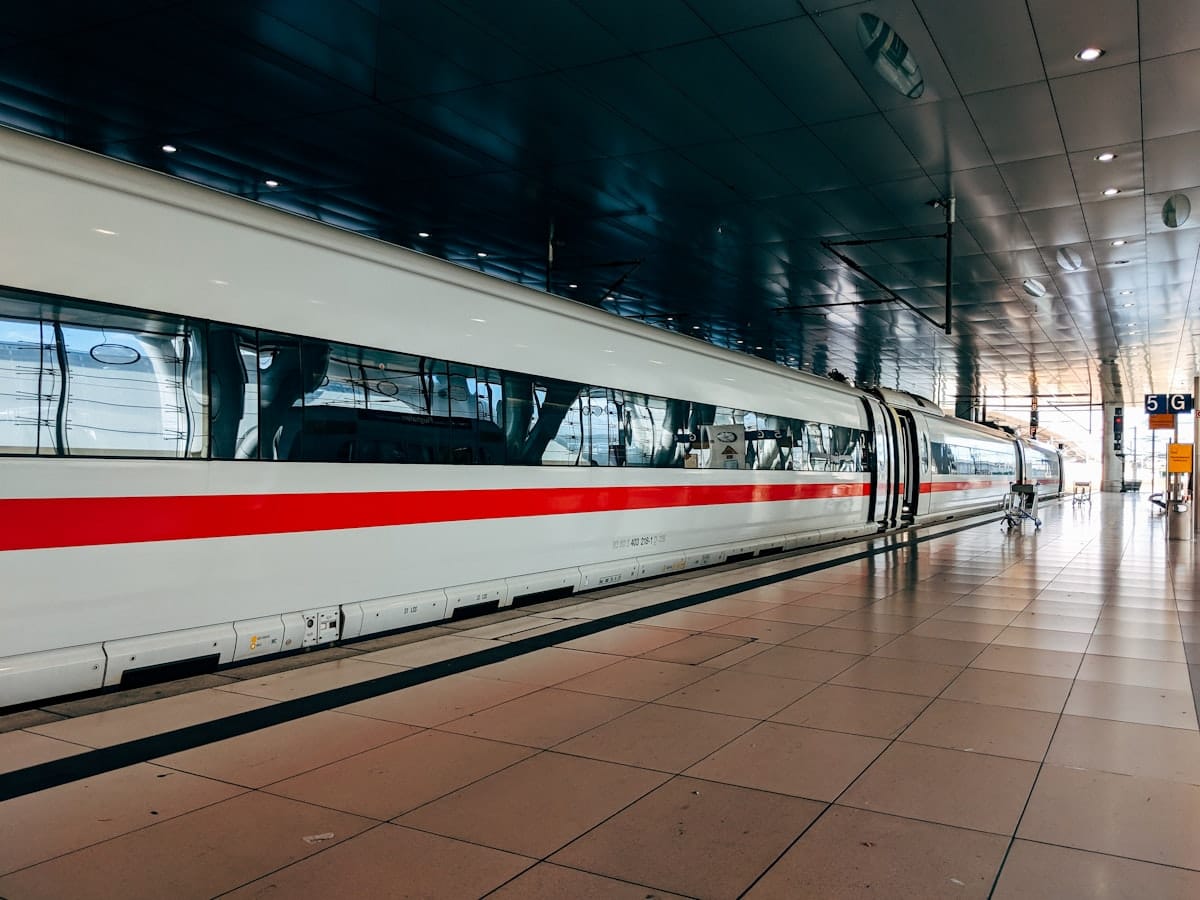
The European Commission tabled on Tuesday 13 May 2026 a draft regulation that builds a single cross-operator booking-and-refund framework for rail travel inside the European Union, branded 'Uma Viagem, Um Bilhete, Direitos Garantidos' in the Portuguese translation of the Brussels press file. The proposal forces train operators to make their cross-border services available through a single ticketing platform that lets passengers buy a multi-leg, multi-operator itinerary in one transaction — and forces those same operators to pick up the assistance, rerouting, refund and compensation chain end-to-end if a connection fails between two competing carriers. The Commission's impact assessment puts the cumulative passenger savings at €7.78 billion through 2050.
The Booking-Platform Obligation
The draft regulation's core mechanic is a duty on EU rail operators to publish, in a machine-readable format, the seat-availability and fare data that today sits behind incompatible national booking systems. A single intermediary platform — public, private or mixed-ownership — would aggregate the feeds and let a passenger build a Lisboa-to-Hamburg or Faro-to-Vienna routing across CP, Renfe, SNCF, Trenitalia, ÖBB and DB without juggling multiple PNRs. Operators must place tickets on sale at least five months before the departure date, closing the gap on the airline industry's standard 11-month booking window. The Commission's 2024 baseline shows EU rail logged 8.7 billion passenger journeys, the bulk of them domestic; the cross-border slice is the segment the draft aims at.
The Passenger-Rights Upgrade
The bigger structural shift sits on the rights side. Today, when a passenger misses a connection between two operators in two countries, neither carrier carries the legal obligation to reroute, accommodate or refund the missed onward leg — the passenger is on their own at the platform. The draft regulation imports the air-passenger-rights architecture (Regulation 261/2004) into the rail context: assistance during the disruption, rerouting on the next viable service, and a refund-and-compensation pipeline that flows back to the passenger from a single contractual counterparty rather than across operator boundaries.
The Portuguese Read
Portugal's rail network sits at the EU geographic periphery and carries the weakest cross-border interconnection of any continental-Europe member state — the country runs two cross-border passenger services (the Celta to Vigo and the Sud Expresso to Hendaye), both at conventional speeds. The Commission's draft does not change that physical reality, but it does compress the friction on the multi-leg routing a Lisbon passenger faces today: connect from a CP regional to a Renfe Avant at Vigo or Tui, hop onto a SNCF TGV at Irun. The Lisboa-Madrid high-speed corridor the Government targets for 2030 sits inside the exact use case the Commission file is built for.
What This Means for Expats
Cross-border bookings: the day the regulation comes into force in 2027, the Lisboa-Paris or Faro-Brussels itinerary becomes a single PNR with a single refund counterparty rather than a four-ticket scramble — the practical change matters most to expats running cross-border family or work routes.
Compensation pathway: a missed connection across operators will fold into a single complaint channel, with the assistance, rerouting and refund chain landing on one carrier rather than being dispersed across regulators and the national passenger-rights bodies (in Portugal, the IMT).
Five-month booking window: the advance-sale floor lets passengers lock in cross-border itineraries at lower fares than the current last-minute domestic-walk-up model that CP, Renfe and SNCF cross-border services often default to.
What happens next: the regulation enters the European Parliament and Council co-decision pipeline through Q3 2026, with member-state operators required to comply from 2027. CP's IT roadmap is the file to watch — the Portuguese operator's Sistema de Informação Comercial is the back-end the regulation will route through.