Europe Has Six Weeks of Jet Fuel Left — What the Hormuz Crisis Means for Summer Flights to Portugal
The IEA warns Europe's jet fuel reserves could run dry by late May as the Strait of Hormuz blockade chokes supply. Portugal says summer stocks are secured — but with caveats.
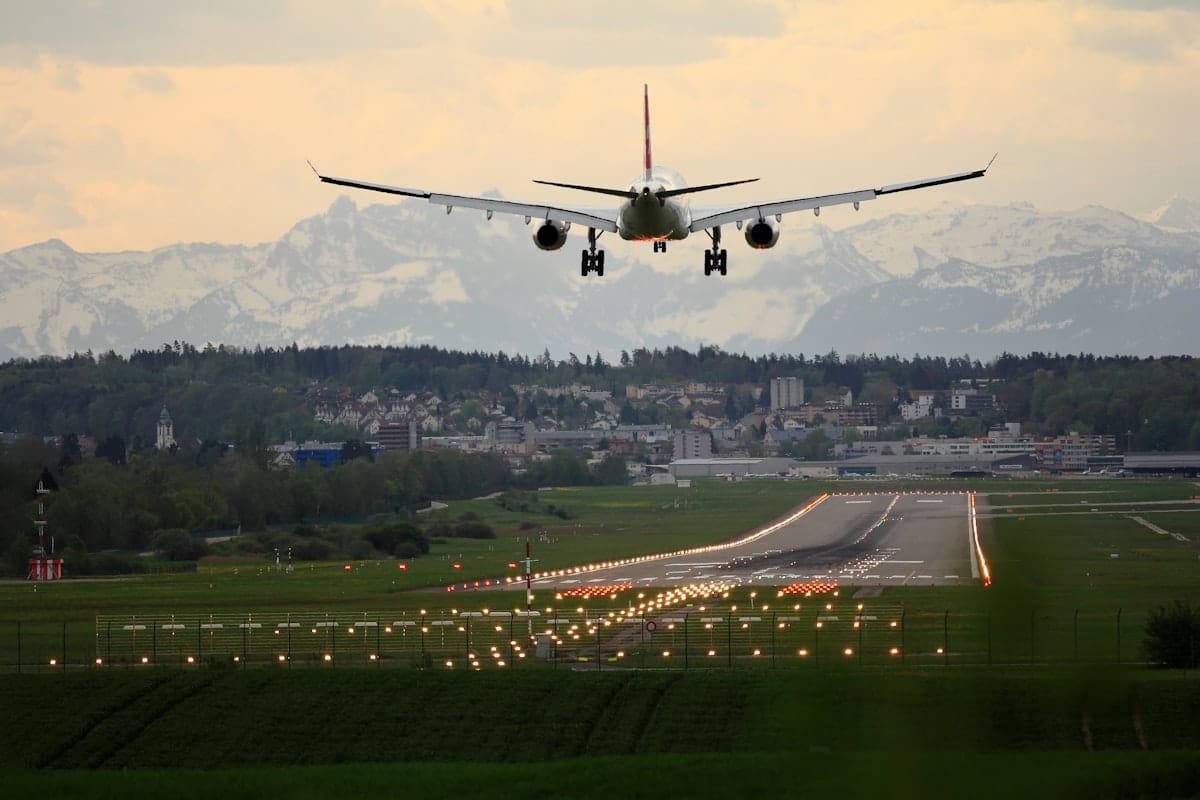
Europe's aviation industry is warning that the Strait of Hormuz blockade could ground flights across the continent within weeks — and Portugal, whose airports are gearing up for their busiest summer on record, is squarely in the firing line.
Six weeks of fuel left
International Energy Agency Director Fatih Birol said this week that Europe has "maybe six weeks" of jet fuel reserves remaining at current consumption rates. The warning comes seven weeks after US and Israeli strikes on Iran triggered the closure of the strait, through which 40 to 50 per cent of Europe's jet fuel imports normally flow.
The Airports Council International has warned that more than 100 European airports could face fuel shortfalls by early May if the blockade continues, with several hubs already reporting reserves below ten days.
Prices have already spiked
Benchmark jet fuel prices surged to a record USD 1,800 per ton on 18 March before retreating slightly in April. Brent crude, which sat at USD 66 per barrel before the conflict, has now topped USD 100. Airlines are absorbing the cost — for now — but ticket prices for summer routes are already climbing.
Lufthansa has announced the closure of its regional unit CityLine, citing soaring fuel costs, and told investors that suppliers are unwilling to forecast availability beyond one month.
What this means for Portuguese airports
Portugal's government confirmed on Thursday that jet fuel supplies are secured through the summer peak, offering some reassurance to travellers. But the statement came with caveats: continued Hormuz disruption would force a reassessment, and alternative supply routes from the United States and West Africa are already under pressure from competing European demand.
Lisbon, Porto, and Faro collectively handled a record number of passengers in 2025, and Porto Airport alone has added 21 new summer routes for 2026. Any fuel rationing would hit Portugal's tourism-dependent economy particularly hard — the sector accounts for roughly 15 per cent of GDP.
What travellers should do
For expats and tourists planning summer travel to or from Portugal, the advice from airline industry groups is straightforward: book early, buy flexible tickets where possible, and watch for schedule changes. Airlines with fuel hedging contracts are better positioned to maintain services, but no carrier is fully insulated from a supply shock of this scale.
The next critical milestone is late April, when the IEA is expected to release updated supply projections. If the Hormuz blockade holds through May, summer flight cancellations across southern Europe become increasingly likely.