DECO Food Basket Hits Record EUR 259.52 — Sixth Consecutive Weekly Rise as Energy Costs Bleed Into Portuguese Supermarkets
The weekly cost of an essential basket of 63 food products tracked by consumer protection association Deco PROteste has climbed to EUR 259.52 — the highest figure on record since the methodology began in 2022 — and the sixth consecutive week of...
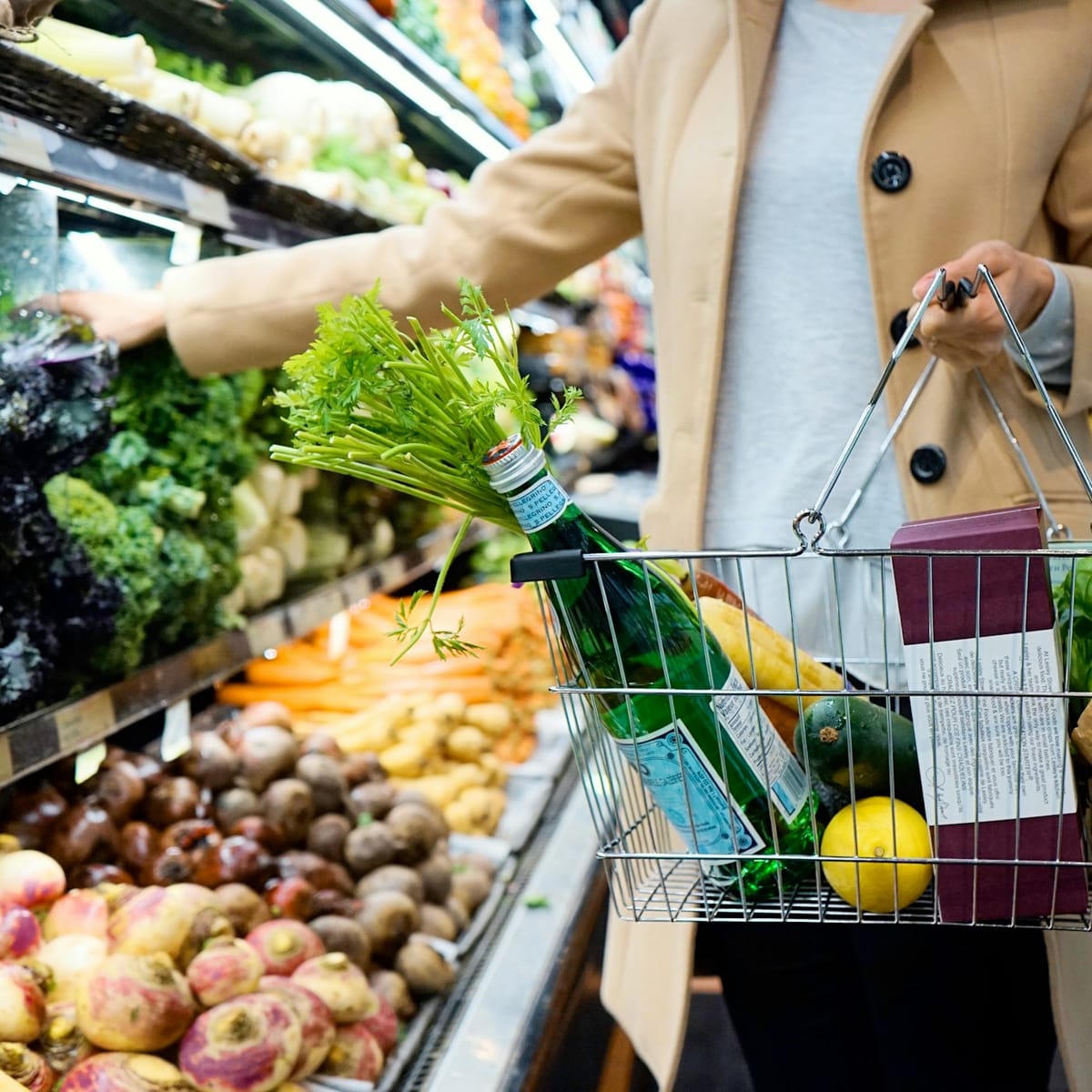
The weekly cost of an essential basket of 63 food products tracked by consumer protection association Deco PROteste has climbed to EUR 259.52 — the highest figure on record since the methodology began in 2022 — and the sixth consecutive week of increases, according to data published on 15 April.
The latest reading is up EUR 1.57 on the previous week, when the basket cost EUR 257.95. The six-week run of rises is being driven largely by energy costs linked to the conflict in the Middle East and the ongoing disruption to shipping through the Hormuz Strait, which has pushed up the cost of everything from fertiliser to refrigerated transport and packaging.
What is in the basket
Deco PROteste's cabaz essencial is a weekly price check on 63 staple products across fresh produce, dairy, bakery, meat, fish, and dry goods, sampled from the major Portuguese supermarket chains. It is the closest thing Portugal has to a real-time, consumer-facing equivalent of the grocery component of the official Consumer Price Index produced by INE, and it is published every Tuesday.
The biggest weekly price jumps — 8 to 15 April
- Sliced sandwich bread (pão de forma sem côdea): +12%, to EUR 2.62 a loaf
- Onions: +11%, to EUR 1.43 per kilogram
- Curly lettuce (alface frisada): +8%, to EUR 2.59 a head
These three items account for most of the EUR 1.57 weekly increase on their own. Deco noted that the weekly rise, while still substantial, was less steep than the near EUR 3 jump recorded between 1 and 8 April.
Year-on-year: where the real damage is
Compared with the same week in April 2025, the same 63 products cost EUR 22.65 more — a rise of 9.56 per cent in 12 months. The steepest year-on-year climbs are in fresh vegetables and fish, all of which have been squeezed simultaneously by poor harvests after a storm-heavy winter, fuel-cost pressure on boats and lorries, and higher packaging and refrigeration bills.
- Couve-coração (cabbage hearts): +49%, to EUR 2.08 per kg
- Carapau (horse mackerel): +48%, to EUR 6.30 per kg
- Broccoli: +47%, to EUR 3.94 per kg
Relative to the start of 2022 — when Deco's tracking began, before the Russia-Ukraine food shock — the same basket is now EUR 71.82 more expensive, a cumulative rise of 38.26 per cent.
One piece of better news
Despite the weekly records, the basket is still cheaper than it was at the start of 2026. In early January the same products cost EUR 17.69 more (7.32 per cent higher), a residue of winter holiday-period peaks and the storm-related supply shocks that battered the country in January and February. The six-week run of increases has eaten into most, but not all, of that drop.
What this means for expat households
For newcomers and established residents, the DECO basket is arguably the most useful single number for budgeting weekly groceries in Portugal. At EUR 259.52, a household sticking to staples is looking at roughly EUR 1,120 a month on groceries alone — before meat and fish beyond the basket's core sample, household goods, or eating out.
A few practical implications worth flagging:
- Discount chains matter more now. Lidl, Mercadona and Minipreço consistently price essentials 10 to 15 per cent below the larger supermarket chains sampled in the full basket. For expats used to shopping at Pingo Doce or Continente, switching even two or three categories (staples like rice, pasta, cooking oil) to a discounter makes a meaningful dent.
- Fresh vegetables are the volatile line. With brassicas up 47 to 49 per cent year on year, households used to cooking from fresh produce are feeling the pinch much harder than those who lean on pasta, rice, or frozen veg. The frozen-vegetable aisle has quietly become a rational substitute rather than a last resort.
- Fish is no longer the cheap protein. At EUR 6.30 a kilo, carapau — historically the working-class backbone of Portuguese fish consumption — has moved into the same price bracket as cheaper chicken cuts. Sardinhas are still widely available below EUR 4 a kilo when fresh in season.
- Watch for the Middle East knock-on. Deco's analysts attribute the current streak of increases specifically to energy costs, not to drought or harvest shortfalls. If the Hormuz situation eases, prices could stabilise within weeks; if it escalates, further records are likely before the summer.
The wider context: inflation is not quite gone
The DECO data feeds into a broader picture that Portugal's official statistics have been slower to capture. INE reported food and non-alcoholic beverage inflation running at 2.1 per cent year on year in March — well below the DECO-basket figure of 9.56 per cent, but the two measures are constructed very differently. INE weights thousands of items across the whole CPI; Deco tracks a fixed, narrow list of staples, and it is the narrow list that tends to hit lower-income and newer-resident households hardest.
On the policy side, the government's response so far has been indirect: the EUR 40 million freight support package approved on Wednesday aims to keep the cost of moving goods across Portugal from spiking further, while the EUR 600 million credit line for energy-intensive industry is meant to prevent factories, including food processors, from raising wholesale prices. Neither measure puts money directly into household baskets.
Portuguese Minister of Economy Pedro Reis told reporters this week that the government was monitoring the food basket "very closely" but ruled out reintroducing the IVA zero scheme — the temporary VAT exemption on 46 essential foods that ran from April 2023 to early 2025 — arguing that it distorted prices without producing lasting relief. Consumer associations, unsurprisingly, disagree. Deco has called for the measure to return, at least for fresh produce and bread.
Next Tuesday's reading will be a useful signal: if prices break through EUR 260 for the first time, expect renewed political pressure on both the government and the supermarket chains.
Source: Lusa wire, Deco PROteste weekly monitor, ECO. On the consumer-staples / Portuguese retail rail, our 20 May Sonae read — net income +11% in Q1 2026 with Continente turnover crossing €1.7 billion through March on the Easter-calendar lift and a stepped-up promotional cycle, plus the Sierra-Crédito Agrícola vehicle taking 40% of ArrábidaShopping and GaiaShopping in Vila Nova de Gaia sets the latest reference.