Day Trips and Weekend Escapes from Lisbon: An Expat's Guide for 2026
One of the great advantages of living in Lisbon is its location. Within 30 minutes to 2 hours, you have access to fairy-tale palaces, wild Atlantic beaches, medieval walled towns, world-class wine regions, and UNESCO heritage sites. Here are the...
One of the great advantages of living in Lisbon is its location. Within 30 minutes to 2 hours, you have access to fairy-tale palaces, wild Atlantic beaches, medieval walled towns, world-class wine regions, and UNESCO heritage sites. Here are the best day trips and weekend escapes, tested and loved by Lisbon's expat community.
Under 1 Hour from Lisbon
Sintra — Romantic Palaces and Misty Mountains
Distance: 30 km (40 min by train from Rossio, €2.30 each way)
Sintra is Portugal's most visited destination outside Lisbon for good reason. The Serra de Sintra is dotted with fantastical palaces, mysterious gardens, and microclimate-driven lush forests.
Must-see:
- Pena Palace: The colourful hilltop palace that defines Sintra's skyline. Book online in advance — queues can exceed 90 minutes in summer. €14 palace + park.
- Quinta da Regaleira: Gothic mansion with initiatic wells, underground tunnels, and symbolic gardens. More atmospheric than Pena and less crowded. €10.
- Castelo dos Mouros: 8th-century Moorish castle ruins with panoramic views. Combined ticket with Pena available.
- National Palace: The white palace in town with iconic twin chimneys. Smaller crowds, beautiful azulejo interiors.
Pro tips: Go on weekdays, arrive early (before 10am), or visit in winter when the mist adds genuine magic. Eat at Piriquita (traditional pastries, including the famous travesseiro) or bring a picnic for the Pena Park.
Cascais and the Estoril Coast
Distance: 30 km (35 min by train from Cais do Sodré, €2.30)
Cascais is where Lisbon goes to breathe. Former fishing village turned upscale beach town with a walkable centre, good restaurants, and the wild Boca do Inferno (Hell's Mouth) sea cliffs.
- Walk the coastal promenade from Cascais to Estoril (2 km, flat, lovely)
- Visit the Casa das Histórias Paula Rego — excellent small museum
- Surf or bodyboard at Guincho Beach (strong currents — respect the flags)
- Cycle the Cascais-Guincho bike path along the coast
Weekend upgrade: Continue to Cabo da Roca — continental Europe's westernmost point. Dramatic cliffs, wild Atlantic winds.
Setúbal and the Arrábida Coast
Distance: 50 km (45 min by car, or ferry from Cais do Sodré to Cacilhas + bus)
Arrábida is Lisbon's secret weapon — a protected natural park with turquoise Mediterranean-like water, limestone cliffs, and dense forest. From June to September, the main beach road is closed to private cars (shuttle bus from Setúbal required).
- Praia de Galapinhos: Regularly voted one of Europe's best beaches. Crystal-clear water, backed by pine-covered cliffs.
- Praia de Figueirinha: More accessible, family-friendly, with a restaurant
- Setúbal: Underrated city with excellent seafood (choco frito is the local speciality), the Mercado do Livramento, and boat trips to see bottlenose dolphins in the Sado estuary
Mafra — The Colossal Palace
Distance: 40 km (45 min by bus from Campo Grande)
The Palácio Nacional de Mafra is one of Europe's largest palaces — a baroque monastery-palace complex that took 13 years and 52,000 workers to build. The library alone, with 36,000 leather-bound volumes, is worth the trip. Made famous by José Saramago's novel Baltasar and Blimunda. Also home to a colony of bats that protect the books from insects.
Combine with a visit to the medieval village of Ericeira (20 min further), Europe's only World Surfing Reserve.
1–2 Hours from Lisbon
Óbidos — The Medieval Walled Town
Distance: 85 km (1h15 by car, or direct bus from Campo Grande)
Óbidos is a perfectly preserved medieval town encircled by 14th-century walls. White-washed houses with blue and yellow trim, bougainvillea cascading over stone walls, a castle converted into a pousada.
- Walking the full circuit of the town walls (free, narrow, no railings in places)
- Trying ginjinha — sour cherry liqueur served in a chocolate cup (€1-2)
- The International Chocolate Festival (March-April) and the Medieval Market (July)
- The Óbidos Literary Hotel and its status as a UNESCO Creative City of Literature
Honest note: Óbidos is very touristy during summer and weekends. Visit on a weekday morning for the best experience.
Évora — Alentejo's UNESCO Capital
Distance: 130 km (1h30 by car, 1h40 by train from Oriente)
Évora is a living museum — Roman temple, Moorish streets, Gothic cathedral, Renaissance university, and the macabre Chapel of Bones all within walking distance. Also the gateway to the Alentejo.
- Templo Romano: Remarkably intact 1st-century Roman temple in the city centre
- Capela dos Ossos: Chapel lined with the bones of 5,000 monks. Inscription at the door translates to: “We bones that are here await yours.” €6.
- Cathedral (Sé): 12th-century granite cathedral with rooftop views over the plains
- University of Évora: Founded 1559, beautiful cloistered courtyard with azulejo-covered classrooms
For food: Try migas (bread-based dish with pork), açorda (bread soup with egg and coriander), and the region's wines.
Weekend upgrade: Stay overnight and explore the Alentejo megalithic circuit — the Almendres Cromlech (older than Stonehenge) and the Anta Grande do Zambujeiro (Europe's tallest dolmen).
Comporta and the Costa Alentejana
Distance: 110 km (1h15 by car)
Comporta is a stretch of pristine rice paddies and pine forests meeting endless white sand beaches. Slowly developing but far less built-up than the Algarve. The vibe is barefoot luxury.
Best beaches: Praia da Comporta, Praia do Carvalhal, and Praia do Pego. For food, Sal (seafood) and Cavalariça (grilled meats in a converted horse stable) are standouts.
Getting there: Car is essential — no practical public transport.
Weekend Escapes (2+ Hours)
Berlengas Islands
Distance: 90 km to Peniche (1h15 by car), then 30 min by boat
The Berlengas are a small archipelago off Peniche, designated a UNESCO Biosphere Reserve. Crystal-clear water, a 17th-century fortress (now a hostel), and incredible snorkelling. Day trip boats run May-September (€20 return, book in advance).
Serra da Estrela — Portugal's Highest Mountains
Distance: 300 km (3h by car)
Portugal's only mountain range that feels truly mountainous. Torre (1,993m) is the highest point in mainland Portugal. In winter, there's sometimes snow. The rest of the year: hiking, glacial valleys, granite villages, and the famous Serra da Estrela cheese.
Best base: Manteigas, in the glacial valley of the Zêzere. The hiking trail to Poço do Inferno waterfall is one of Portugal's finest.
Douro Valley — Wine Country
Distance: 370 km (3h30 by car, or take the scenic train from Porto along the river)
The Douro Valley is a UNESCO World Heritage landscape of terraced vineyards cascading down to the river. Best as a 2-3 day trip, ideally combined with Porto.
Visit quintas like Quinta do Crasto, Quinta do Vallado, or Quinta Nova for tastings. Drive the N222, voted one of the world's best roads. Most beautiful in autumn (October) when vines turn gold and red.
Practical Tips
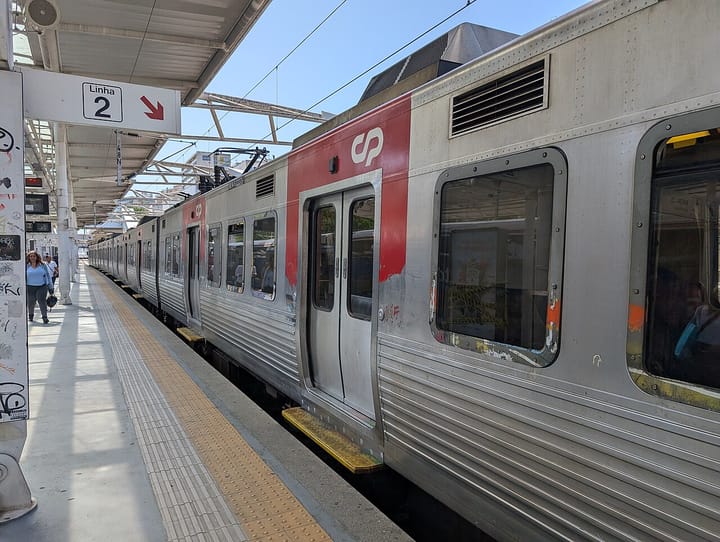
- Trains: CP (Comboios de Portugal) is reliable for Sintra, Cascais, Setúbal, and Évora. Buy at machines — cheaper than onboard.
- Car rental: Essential for Arrábida, Comporta, Berlengas, Serra da Estrela. Goldcar and Surprice are budget options; book via RentalCars or DiscoverCars.
- Tolls: Portuguese motorways use electronic tolling (Via Verde). Confirm rental cars have a device. Some roads use camera-only tolling that catches foreigners off guard.
- Timing: July-August is peak season and genuinely hot (35-40°C inland). Spring and early autumn are ideal.
- Pack layers: Sintra is 5-8°C cooler than Lisbon. Coastal wind at Guincho can be brutal even in summer.
Living in Lisbon means never running out of places to discover. Most expats who've been here for years are still finding new corners. That's part of the magic.