Charlie Rotates to Delta on 1 July as ANEPC Scales DECIR to 15,149 Operationals and 81 Aerial Means — UCPM Pre-Positions 60 EU Firefighters and Two Aircraft in Portugal From 16 July to 31 August
Portugal's Dispositivo Especial de Combate a Incêndios Rurais (DECIR, Special Device for the Combat of Rural Fires) steps up from Charlie-level to Delta-level on Tuesday 1 July 2026, taking the on-the-ground footprint from 13,335 to 15,149...
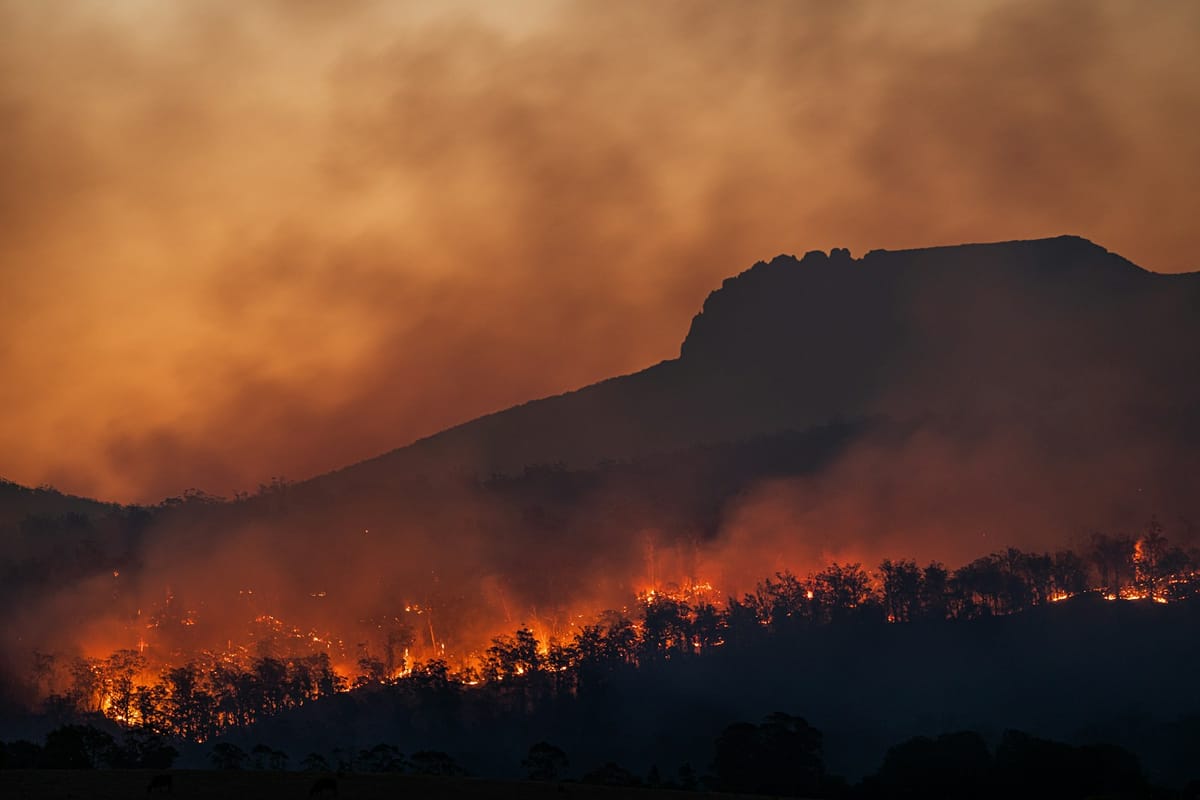
Portugal's Dispositivo Especial de Combate a Incêndios Rurais (DECIR, Special Device for the Combat of Rural Fires) steps up from Charlie-level to Delta-level on Tuesday 1 July 2026, taking the on-the-ground footprint from 13,335 to 15,149 operationals, the operational vehicle pool to 3,463 units across 2,596 teams, and aerial means from 78 to 81 aircraft — Portugal's largest summer firefighting envelope to date.
Delta is the peak phase of the DECIR pyramid set out in Despacho 2031/2026 of the Autoridade Nacional de Emergência e Proteção Civil (ANEPC, National Emergency and Civil Protection Authority) and runs through 30 September. The Bravo phase ran 15 May to 31 May. Charlie has been in force since 1 June. Echo runs 1 to 15 October and Alpha covers the residual fire-vigilance band from mid-October through to 14 May.
The operational stack draws from the Bombeiros Voluntários (Volunteer Fire Brigades), the Força Especial de Proteção Civil (FEPC, Special Civil Protection Force) inside ANEPC, the Guarda Nacional Republicana (GNR, National Republican Guard) with its dedicated Grupo de Intervenção de Proteção e Socorro (GIPS) sapper unit, the Polícia Marítima for coastal fire response, and the Instituto da Conservação da Natureza e das Florestas (ICNF, Institute for the Conservation of Nature and Forests) which contributes the sapadores florestais (forest sapper teams) and the brigadas de sapadores florestais (forest sapper brigades) that handle the post-extinction rescaldo (mop-up) and the prevention work of the off-season window.
The aerial-means matrix of 81 aircraft includes the eight Bombardier Canadair CL-415 amphibious water-bombers operated through the Air Force on the Força Aérea Portuguesa (Portuguese Air Force) inventory, the Kamov Ka-32A heavy-lift helicopters, the medium helicopters under contract from Babcock and Heliportugal, and the air co-ordination platforms. Final positioning of the aircraft across the eight Centros de Meios Aéreos (Aerial Means Centres) is decided by the Comandante Nacional de Emergência e Proteção Civil based on the ICNF and IPMA risk-cartography reading at the daily Charlie-Bravo briefings.
Layered on top of the national stack, the European Civil Protection Mechanism (UCPM) will pre-position in Portugal between 16 July and 31 August two light fire-suppression aircraft and 60 firefighters drawn from EU partner Member States. The deployment is operated by the European Commission's Emergency Response Coordination Centre (ERCC) and budgeted through the rescEU fleet — the standing EU reserve of firefighting aircraft co-financed by Brussels and host Member States. The 60 personnel will be embedded inside the Portuguese command structure under the ANEPC operational protocol, not in a parallel command line.
The Delta rollout lands against a 2026 fire season that is already running ahead of the historic average. ICNF interim numbers through end-May logged 4,820 ignition events and a burned-area aggregate of 6,310 hectares — up around 18% on the 2021-2025 quinquennial mean for the same five-month window. The 8,100-hectare Odemira fire of late May, which combined agriculture and tourism impact in the southwestern Alentejo, sits inside that elevated baseline. Civil-protection brigades in Bragança independently bulked up their local mobilisation on 5 June.