Cabinet Modernises the IPO Vehicle-Inspection Regime — Municipalities Get Tender Power for Low-Density Centres, Sanctions Tightened, IMT to Adopt New Tech Tools
Cabinet's 23 April Decree-Law modernises IPO vehicle-inspection regime: municipalities can run tenders for low-density centres, sanctions tightened, IMT gets new tech tools. €37.47 light-vehicle fee unchanged for 2026.
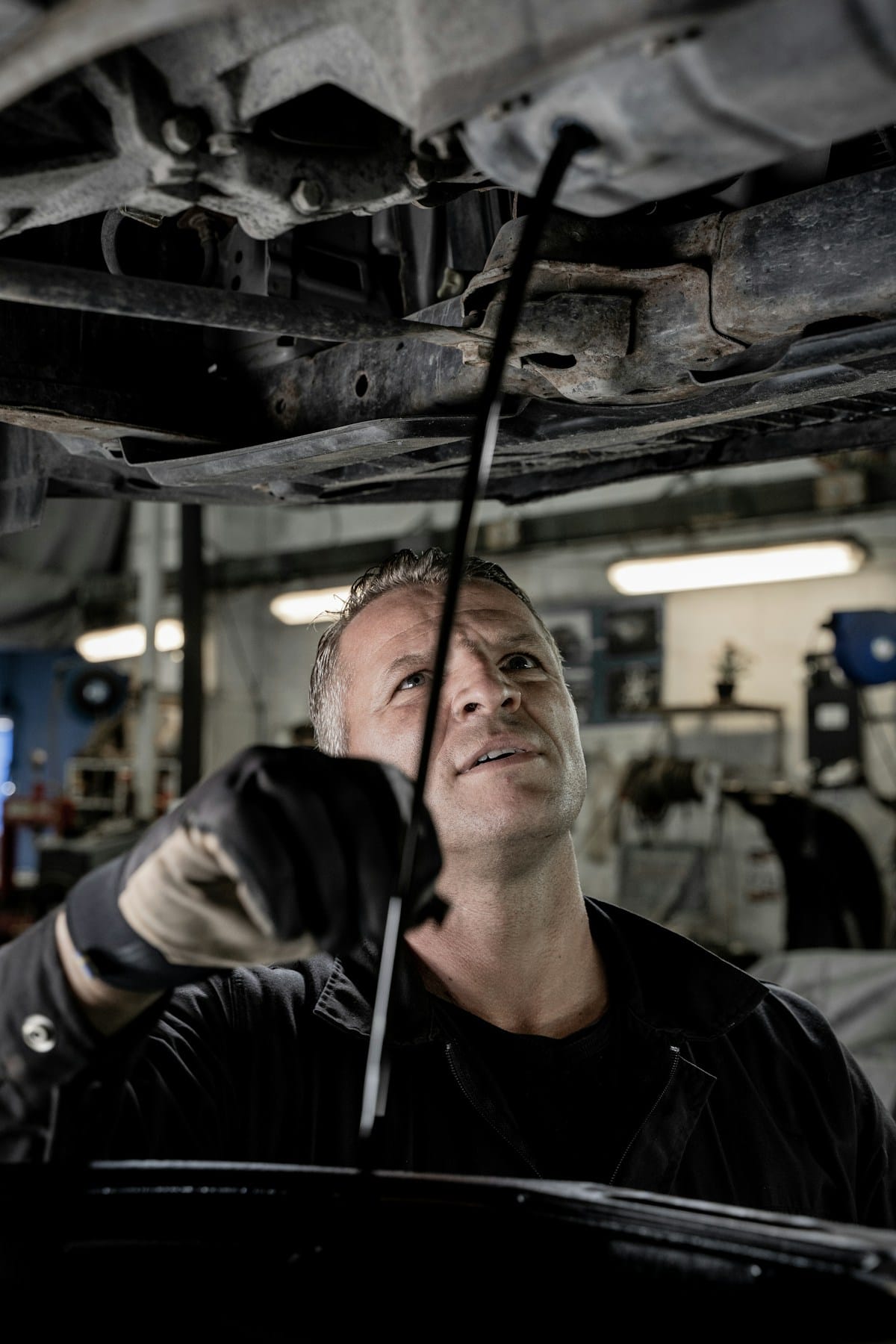
Sitting alongside the headline-grabbing TAP-privatisation resolution, the 23 April 2026 Council of Ministers also approved a Decree-Law that overhauls Portugal's vehicle-inspection regime — the system every car owner deals with through the annual or biennial IPO — Inspeção Periódica Obrigatória. The rewrite touches access rules for inspection-centre operators, the geographic distribution of centres, the tools inspectors are allowed to use, and the sanction regime when something goes wrong.
Importantly for car owners: the periodicity calendar (when your specific vehicle has to be inspected) does not change. The €37.47 IPO fee for light vehicles, in force since 1 January 2026, also stays put. This reform is structural — about who runs centres, where, and under what oversight.
The Four Pillars of the Reform
- Low-density tender mechanism: Municipalities in interior and low-density territories may now open their own tenders, hosted by the IMT (Instituto da Mobilidade e dos Transportes), to attract IPO operators where private demand has not been sufficient to support a centre. The aim is to cut waiting times and end the situation where rural drivers must travel an hour or more to find a free slot.
- Access rules: Entry and continuing-operation criteria for centres in metropolitan and low-density areas are simplified — the regulation is designed to lower the barrier in under-served areas while keeping technical-quality requirements unchanged.
- Sanction regime: The fines and administrative penalties that the IMT can impose on inspection centres for procedural breaches are tightened. The Government framed this as a quality-control measure following a wave of scrutiny on private-centre standards in 2024–2025.
- Technological tools: The diploma updates the legal framework so the IMT can mandate new digital and diagnostic equipment in centres — including upgrades that improve emissions-test reliability for newer hybrid and electric vehicles.
Why the Government Moved Now
The IPO network has been a slow-burn complaint file. Wait times in low-density municipalities — Bragança, Beja, parts of the Alentejo interior — have repeatedly exceeded six weeks, while metropolitan centres in Lisboa and Porto have struggled with concentration. The reform is the IMT's third attempt this decade to rebalance coverage. By moving the tender opportunity onto the municipal level, the diploma effectively delegates the geographic-fix problem to local government — câmaras municipais now have a direct lever to bring inspection capacity to underserved towns.
The Cabinet also reframed the sanction regime in a year when several private operators have come under inspection scrutiny. Tightening administrative penalties is the regulatory response without going as far as nationalising the network — a politically uncomfortable lever the Government has chosen not to pull.
What This Means for Expats
- Inspection price unchanged for now: The €37.47 IPO fee for light vehicles still applies in 2026. The reform does not, by itself, raise prices — though the IMT-mandated tech upgrades may flow through into 2027 pricing.
- Rural residents: If you live in low-density Portugal — Alentejo interior, the Beiras, parts of Trás-os-Montes — your local câmara can now run a tender to bring an inspection centre closer. Push your município to use the new instrument.
- EV/hybrid owners: Diagnostic equipment for non-ICE vehicles is in scope of the tech-upgrade clause. Expect more centres to handle EVs reliably as the IMT rolls out specifications.
- Foreign-plate owners completing matrícula nacional: Once the registration matrícula is issued, the same IPO calendar applies. The reform doesn't change the post-import inspection sequence — but it should reduce booking-window delays in interior districts.
- Drivers concerned about quality: The tightened sanction regime means rogue centres face faster, costlier consequences. If a centre's verdict feels arbitrary, the IMT complaint route is now a more credible enforcement path.
The Decree-Law still needs publication in Diário da República to enter into force; once published, the new tender mechanism becomes available immediately to câmaras willing to use it. For drivers in Algarve and other under-served corridors, that is the line worth watching.