Brussels Warns of 'Long-Lasting' Energy Shock and Possible Fuel Rationing — What It Means for Portugal
EU Energy Commissioner Dan Jorgensen says Brussels is preparing for worst-case scenarios including fuel rationing as the Middle East conflict disrupts global oil supplies. Portugal, already paying among Europe's highest fuel prices, faces outsized exposure.
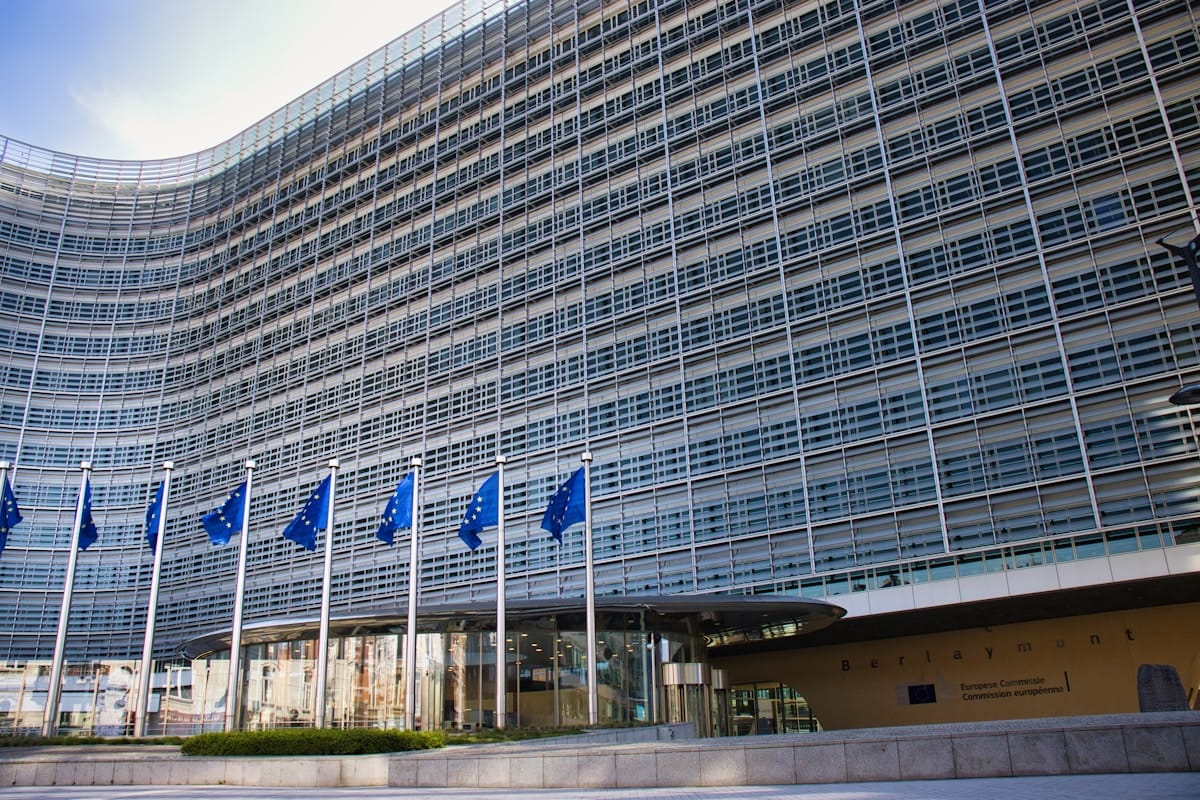
EU Energy Commissioner Dan Jorgensen delivered one of the starkest warnings yet on Friday, telling the Financial Times that Europe must brace for a "long-lasting" energy shock triggered by the Middle East conflict — and that Brussels is actively studying "all possibilities," including fuel rationing.
For Portugal, already one of Europe's most oil-import-dependent economies, the warning lands with particular weight.
What the Commissioner Actually Said
In his interview with the FT, Jorgensen confirmed the European Commission is "preparing for the worst scenarios," including rationing critical products such as jet fuel and diesel. He stopped short of announcing formal restrictions — "we are not there yet" — but added that the bloc is examining legislative instruments that could be deployed if the situation deteriorates further.
"This will be a long crisis," Jorgensen said. "Countries need to be sure that they have what they need."
The Commission is also weighing the release of additional volumes from strategic petroleum reserves, building on the coordinated drawdowns already undertaken since the Iran conflict escalated in March.
Why Portugal Is More Exposed Than Most
Portugal imports virtually all of its crude oil and refined petroleum products. Unlike France, which generates roughly 70 percent of its electricity from nuclear power, or Norway, which is itself a major oil producer, Portugal has no domestic buffer against supply shocks.
The numbers already tell the story. According to the European Commission's Weekly Oil Bulletin, diesel in Portugal now averages around 2.05 euros per liter, compared to Spain's 1.68 euros — a gap of roughly 22 percent that reflects Portugal's higher fuel taxes and thinner refining margins.
The government's response so far has included a 600 million euro credit line announced this week under the "Portugal Energy Resilience" banner, designed to help businesses absorb rising costs. But credit lines are a bridge, not a solution — they defer pain rather than eliminate it.
The Rationing Question
Fuel rationing in Europe would be unprecedented in the modern era. The last time European governments imposed formal fuel restrictions was during the 1973 oil crisis, when the Netherlands banned Sunday driving and Germany introduced temporary speed limits on the autobahn.
If rationing were imposed at the EU level, Portugal's transport-dependent economy would face acute pressure. The country's freight logistics sector relies almost entirely on road transport, with rail carrying only a fraction of goods. Tourism — Portugal's largest export sector — depends on affordable aviation fuel and rental car availability.
The IEA's 2026 Energy Crisis Policy Response Tracker, updated on Friday, shows that EU member states including Portugal have already implemented consumer support measures such as reduced energy taxes and excise duty adjustments. But these fiscal tools lose effectiveness as prices continue to climb.
What Comes Next
The Commission has signaled that an emergency energy ministers' meeting could be convened in the coming weeks if supply disruptions intensify. Crude prices jumped sharply this week after Washington signaled further military action against Iran, with Brent approaching levels that historically trigger recession warnings.
The Bank of Portugal has already cut its 2026 growth forecast to 1.8 percent, citing the conflict as a primary risk factor. If rationing materializes or prices continue their upward trajectory, further downgrades are likely.
For Portuguese households, the practical implications are straightforward: fuel costs will remain elevated for the foreseeable future, energy bills will climb, and the government's fiscal room to cushion the blow is limited by its own spending commitments. The record mortgage debt burden of 112.4 billion euros adds another layer of household financial stress.
Jorgensen's message was clear: this is not a temporary disruption. Portugal — and Europe — need to plan accordingly.