Brussels Releases €30 Million From the Common Agricultural Policy Reserve for Storm-Hit Portuguese Farmers — Portugal Outdraws Romania's €14.8M as a Formal Vote Looms Next Week
An EU management committee cleared €30 million from the Common Agricultural Policy crisis reserve for Portuguese farmers battered by winter storms — the single largest national slice of a €57.2M package, with the formal vote expected next week.
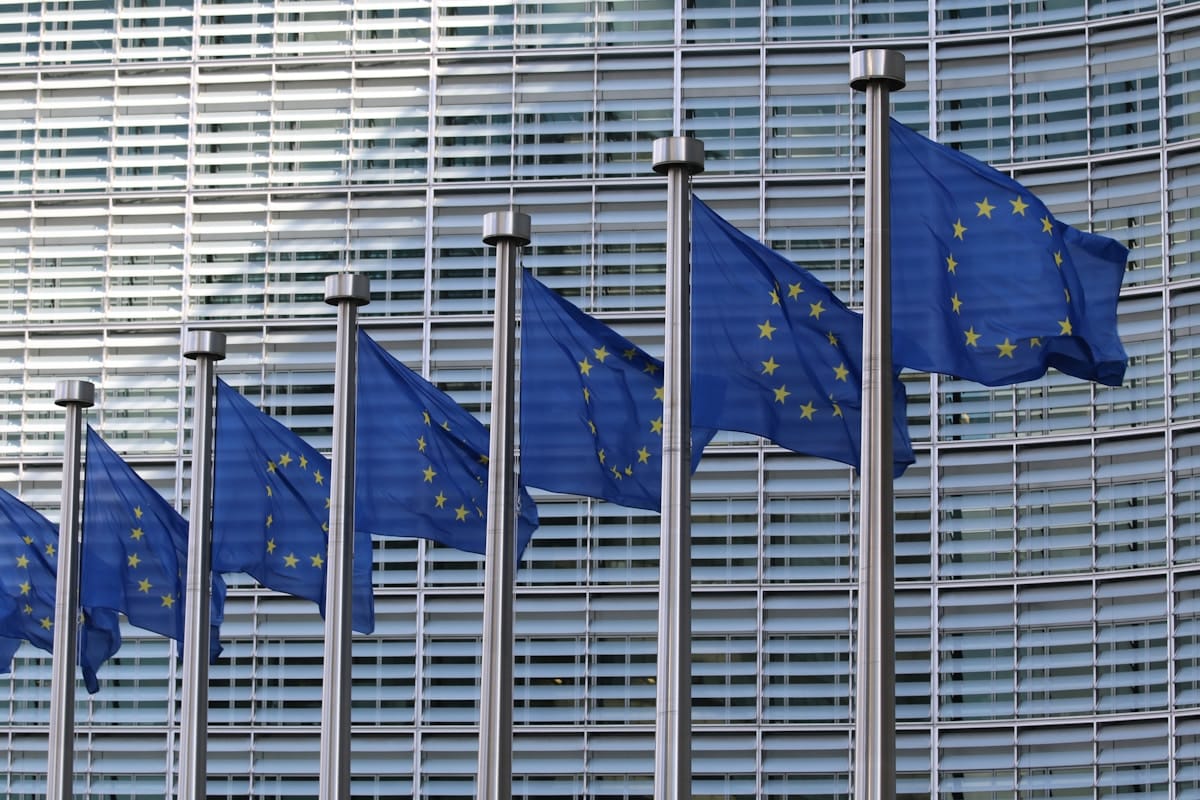
Portuguese farmers ruined by this winter's storms are in line for €30 million in emergency aid after Brussels gave the package its political green light on Monday. The money was endorsed by the Comité de Gestão da Organização Comum dos Mercados Agrícolas (Management Committee for the Common Organisation of Agricultural Markets), the EU body that signs off on interventions in farm markets, and now awaits a formal confirmatory vote expected next week.
The cash is being drawn from the agricultural reserve of the Política Agrícola Comum (Common Agricultural Policy, or CAP) — a roughly €450 million annual crisis fund maintained across the 27 member states to absorb market shocks, price swings and weather disasters that hit production and food supply. Tapping it requires a member state to lodge a formal request and persuade the European Commission that the damage warrants exceptional support.
The largest single slice
Portugal did not merely qualify; it secured the biggest share of the entire envelope. Of a €57.2 million package, Lisbon takes €30 million, ahead of Romania's €14.8 million, Cyprus and Croatia at €4.6 million each, and Slovenia's €2.8 million. José Manuel Fernandes, the Minister of Agriculture, said the Commission had recognised “the fairness and substantive basis” of the Portuguese request and granted the maximum support available under the mechanism.
The damage being compensated dates to a run of severe storms that lashed the country between late January and mid-February, with the central region bearing the brunt. Greenhouses, orchards, winter crops and farm infrastructure were among the casualties, and the bill for the agricultural and forestry sectors combined has been put at more than €623 million — a figure that puts the €30 million European contribution into sober perspective. It is meaningful relief, but it covers only a fraction of the losses on the ground.
Member states retain flexibility to decide which sectors and which producers receive priority, so the Government will now have to translate the headline figure into a distribution scheme — a step that typically determines whether emergency money reaches the worst-affected smallholders quickly or stalls in administrative review. Schemes of this kind also allow national budgets to supplement the European tranche, raising the prospect that Lisbon could choose to top up the €30 million from its own coffers.
For Portugal's farm lobby, the approval is a procedural win after months of pressure to activate the reserve, and a reminder of how exposed Mediterranean agriculture has become to increasingly violent winter weather. The immediate question is timing: with the formal EU vote pencilled in for next week, growers who have spent five months absorbing the cost of the storms will be watching to see how fast the money clears Brussels — and how fast it then clears Lisbon. On the smallholder-paperwork side of the file, our guide to keeping bees in Portugal and the September declaration of holdings sets out the DGAV register, the annual declaration window and the fines for missing it. On how the fruit and vegetable support scheme is actually administered, the filing deadline the government moved four days before it fell sets out Portaria n.º 430/2026/1, the shift from 15 to 30 September for operational programmes and amendment requests, and the preamble that concedes the old date landed in the middle of the harvest.