Brussels Refers Portugal to the EU Court of Justice Over the Renewable-Energy Directive — Lisbon Joins Greece and Malta on Directive 2023/2413, Plus a Reasoned Opinion on Electricity-Market Rules
The European Commission has referred Portugal to the EU Court of Justice for failing to transpose the recast renewable-energy directive into national law — and added a parallel reasoned opinion on the new electricity-market rules in the same Wednesday package.
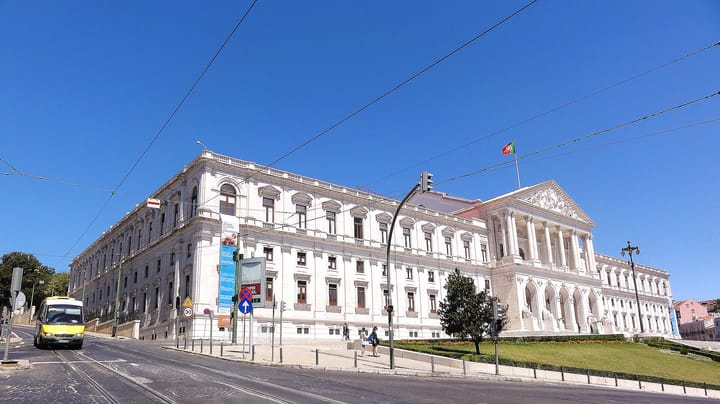
The European Commission this week escalated long-running concerns about Portugal's transposition of clean-energy legislation, referring the country to the EU Court of Justice for failing to bring Directive 2023/2413 into national law. Lisbon now sits alongside Greece and Malta in a single Court action that turns Brussels' frustration into a formal infringement case.
Directive 2023/2413 is the recast version of the bloc's renewable-energy directive, designed to accelerate permitting, expand renewable hydrogen, and harden sustainability rules around biogas and biomass. Member states had until May 2025 to transpose the text, and the three referred countries missed that deadline by close to a year. The Commission says the directive is essential to ensure that "European consumers — both households and businesses — face energy costs that better reflect the low production costs of renewable energy" and to deliver more predictable pricing.
Where the Court Action Sits in the Procedure
The Court referral is the third and most serious step in the EU's standard infringement procedure: a letter of formal notice, then a reasoned opinion, then a Court action. Once the case is filed, Portugal has limited time to remedy the breach before the Court issues a judgment. If Lisbon ignores an eventual ruling, the Commission can return to the Court to demand financial penalties — typically a lump sum plus a daily payment until full transposition is registered with Brussels.
The Paradox of Portuguese Renewables
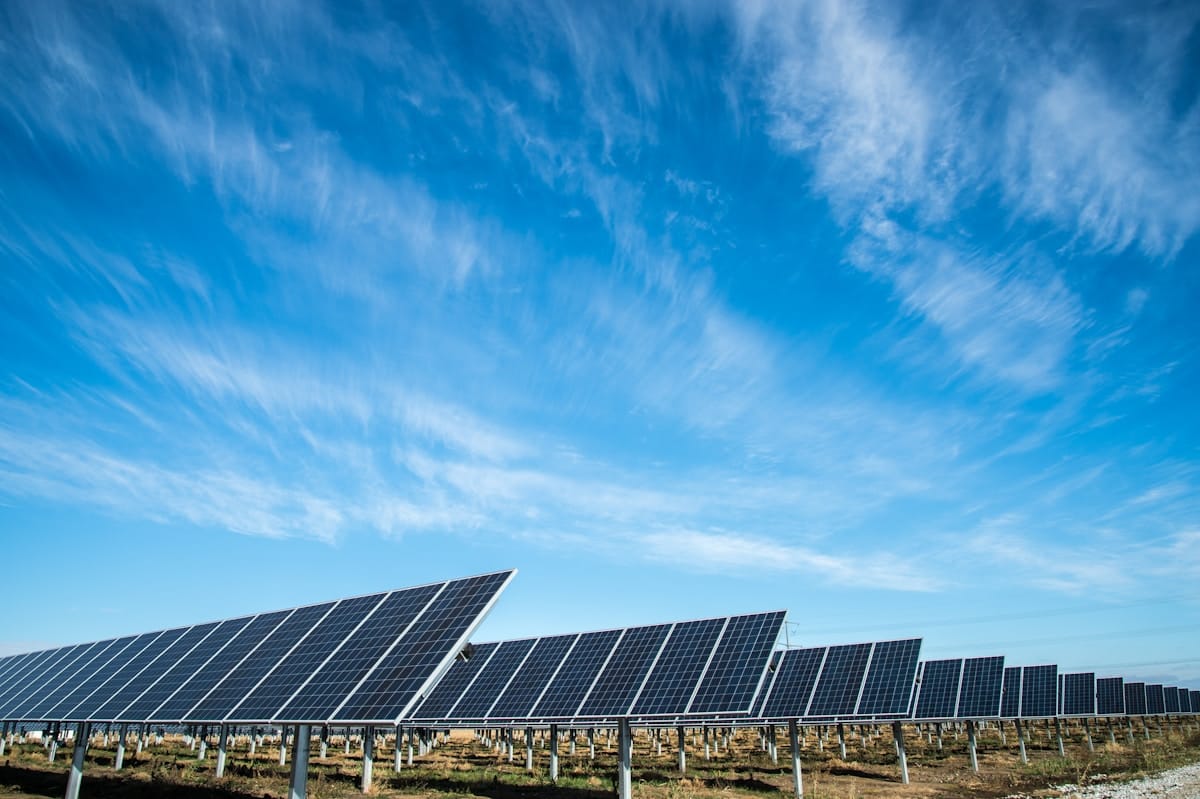
Portugal's renewable-energy story is one of the most paradoxical in Europe. The country routinely posts days when wind, solar and hydro cover all domestic electricity demand, and the Greenvolt and EDP Renováveis pipelines have made it one of the fastest-developing solar markets in Western Europe. Yet the legal scaffolding around that build-out — permitting timelines, hybrid-plant rules, renewable hydrogen, biogas — has lagged. Sector body APREN has flagged the missing transposition repeatedly, warning that developers were operating in a partially defined legal space.
The Second Case: Electricity Market Design
Wednesday's package contained a second piece of bad news for Portugal. Brussels also issued a "reasoned opinion" — the second infringement step — over non-implementation of the EU's new electricity-market design rules. Those rules, agreed last year as part of the bloc's response to the 2022-23 energy-price crisis, require member states to make long-term contracts more accessible to consumers and to roll out specific protections against abrupt supply interruptions. Portugal shares this second case with Croatia and Poland and has two months to reply.
What It Means for Households and Developers
For consumers, the practical impact is mostly indirect. The directives are designed to reduce average bills over time by accelerating cheap renewable build-out and by offering more stable contract structures. Without transposition, Portuguese households cannot rely on those new contractual protections, and developers continue to operate with regulatory uncertainty that ultimately filters into costs.
The Political Cost
For the government, the political cost is more immediate. The Montenegro cabinet has spent the year pitching Portugal as "highly competitive" on the energy front — a line the prime minister repeated this week at the Forum Portugal Nação Global at the Centro Cultural de Belém. Being in the dock at the EU Court for missing the very directive that frames that competitiveness undermines the message, and hands opposition parties a clear piece of evidence that Lisbon has been regulating energy in slow motion while the rest of the bloc accelerates.