Algarve Water Crisis 2026: What Residents and Tourists Need to Know
The Algarve is facing its third consecutive year of below-average rainfall. Here's what the water shortage means for residents, expats, and the region's €4B tourism industry.
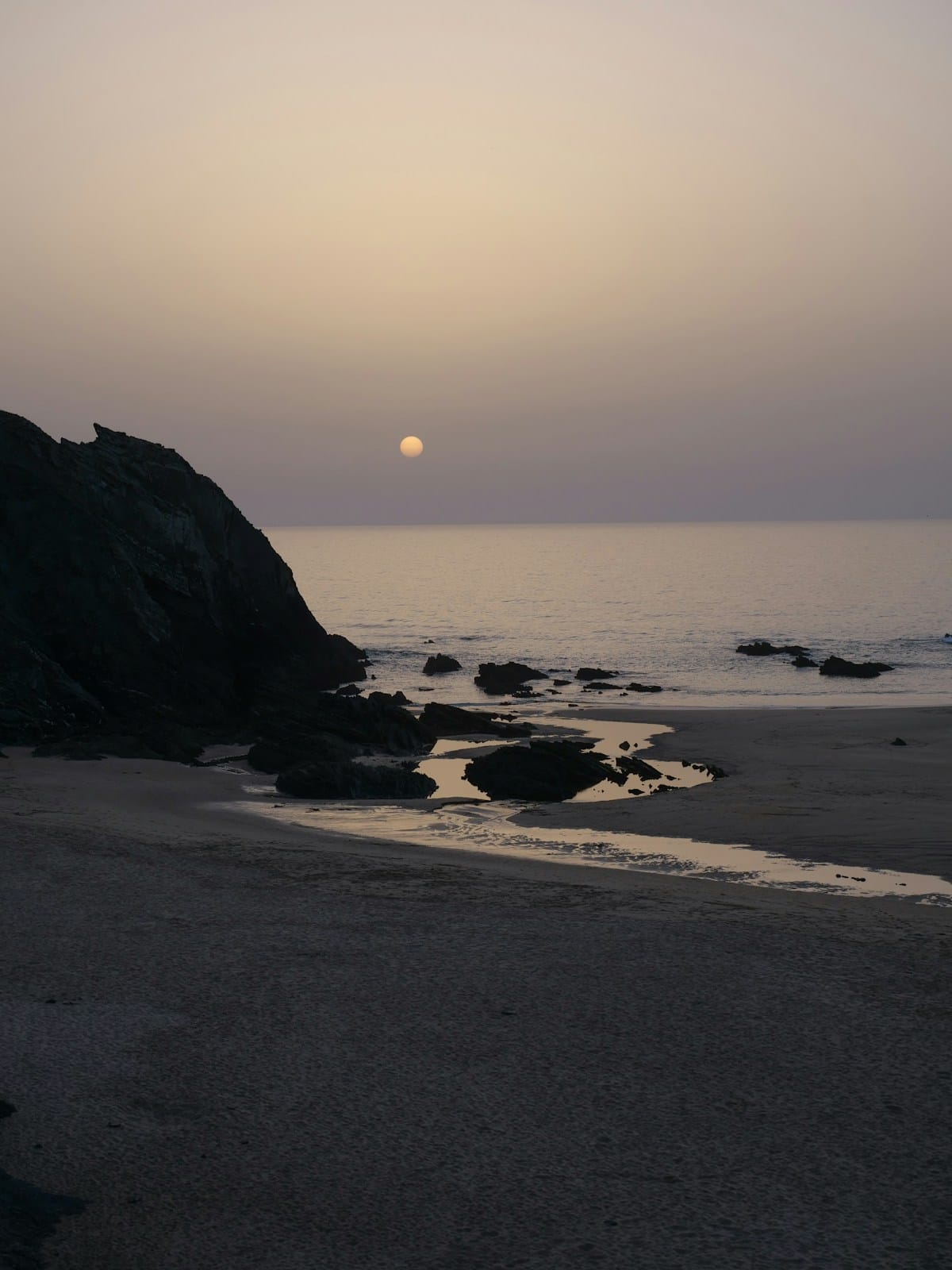
The Algarve is entering its third consecutive year of severe water stress, with reservoir levels across the region sitting at just 38% capacity — well below the 10-year average of 62% for this time of year. For residents, expats, and the millions of tourists who visit annually, the implications are significant and growing.
How Bad Is It?
The Barragem do Arade, which supplies water to much of the central Algarve including Portimão, Lagoa, and Silves, is at 29% capacity. The Bravura reservoir near Lagos stands at 34%. Only the Beliche and Odeleite system serving the eastern Algarve is faring better, at 51%, partly due to more rainfall in the Spanish hinterland.
The Portuguese Water Institute (SNIRH) has classified the region as under severe meteorological drought — the second-highest designation on a four-level scale. The last time conditions were this acute for three consecutive years was in the early 2000s.
What the Government Is Doing
The government has fast-tracked approval for the Algarve Desalination Plant at Albufeira, which was first proposed in 2019 and has been mired in environmental reviews. Construction is now set to begin in Q3 2026, with Phase 1 capacity of 26,000 m³/day expected to be operational by late 2028.
In the meantime, the Algarve Regional Water Authority (ARH) has introduced a tiered consumption restriction system for municipalities. Urban households in Faro, Olhão, and Tavira are subject to a 15% voluntary reduction target; irrigation for golf courses and agricultural operations has been capped at 60% of normal allocations.
Impact on Tourism
The Algarve's tourism sector — which contributes approximately €4 billion annually to the regional economy — is watching closely. Hotel operators have invested significantly in water recycling systems following the 2024 drought season, and most large resorts now operate grey-water recycling for pool and garden irrigation.
The bigger concern is golf. The Algarve has 42 golf courses that collectively consume an estimated 8-10 million m³ of water annually — roughly equivalent to the domestic consumption of 80,000 households. Several courses switched to recycled water in 2024-25, but the transition is incomplete.
Tourism industry body AHETA has warned that if restrictions tighten further before peak season (May-September), some courses may face partial closure, affecting tournament bookings and premium golf tourism packages.
What Expats and Residents Should Know
No tap water restrictions yet for urban households — supplies remain safe and continuous. The restrictions are on irrigation and non-essential uses.
Watch for municipal notices: Local councils (câmaras municipais) are required to notify residents if restrictions escalate to household level. Sign up for council communications if you're in the Algarve.
Property buyers: If you're purchasing in the Algarve, check whether the property has its own borehole (furo) and what the licensed extraction limits are. Properties relying solely on municipal supply in drought-prone areas carry increasing risk.
Gardening and pools: Already subject to restrictions in several municipalities. Check your local câmara's website for current rules — fines for violations can reach €500.
The Longer View
Climate models consistently project drier conditions for southern Iberia through the coming decades. The desalination plant is a long-overdue structural fix, but it won't be online until 2028. In the meantime, the Algarve faces another summer where water management — not just sunscreen — will be top of mind.
The Portugal Brief covers Portuguese news and policy for expats and internationals. On the Portuguese blue-carbon and coastal-restoration tape, our read on the Fundo Ambiental's €1-million 2026 disbursement of the Floresta Azul marine-meadow restoration programme across Ria Formosa, the Sado estuary and the Natura-2000 coastal sites sets the latest reference. On the Iberian water-sharing, drought and Algarve-supply side of the file, our read on Portugal and Spain striking the lower Guadiana's first binding flow regime to secure the Pomarao water intake sets the latest reference.