Algarve Begins Emergency Beach Nourishment After Winter Storm Damage
The first heavy machinery rolled onto the Algarve coastline this week as Portugal’s Environment Agency (APA) began preparatory work for the largest beach nourishment operation the region has seen in years. Approximately 1.3 million cubic...
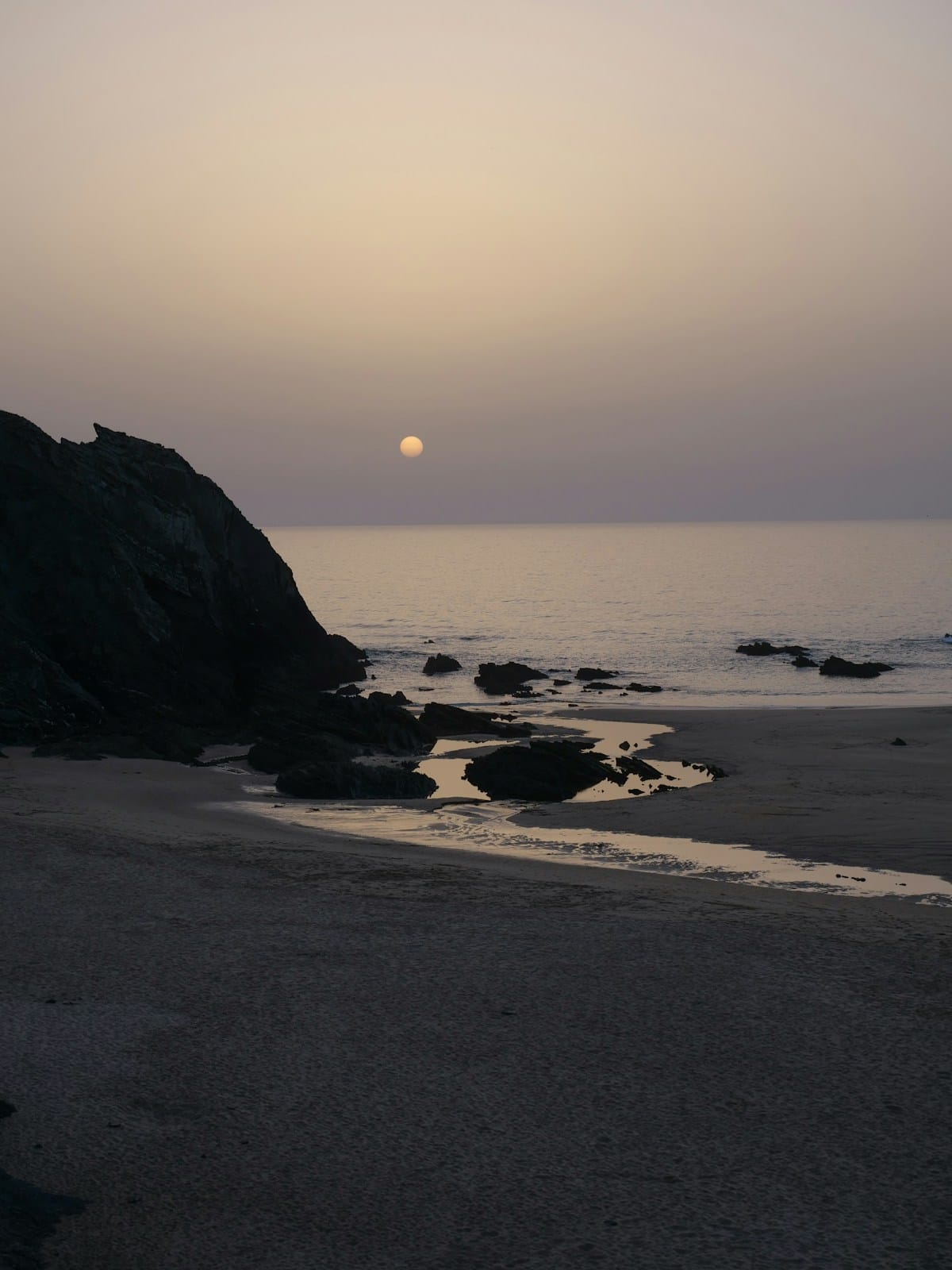
The first heavy machinery rolled onto the Algarve coastline this week as Portugal’s Environment Agency (APA) began preparatory work for the largest beach nourishment operation the region has seen in years. Approximately 1.3 million cubic metres of sand will be dredged from offshore deposits and pumped onto beaches along the Quarteira-Garrão stretch in Loulé, in a bid to reverse the damage wrought by a punishing winter storm season.
The Scale of Destruction
A survey conducted by the APA found that 35 beaches across the Algarve suffered significant erosion between October 2025 and early March 2026. The municipality of Albufeira was hit hardest, with nine beaches affected, followed by Lagoa with eight.
The most alarming case was recorded at Peneco Beach in Albufeira, where the shoreline retreated by a maximum of 24 metres — a dramatic loss for one of the region’s most popular and iconic stretches of sand. Other significant retreats were measured at Loulé Velho-Trafal (15 metres), Quarteira-Garrão (14 metres), and Forte Novo (6 metres).
For a region whose economy is fundamentally built on coastal tourism, the numbers represent more than geological data. They represent livelihoods.
How Beach Nourishment Works
The process involves dredging sand from underwater deposits, typically located several kilometres offshore, and transporting it via pipeline to the depleted beach. The sand is then graded and shaped to replicate natural beach profiles as closely as possible.
It is not a permanent fix. Beach nourishment is, by its nature, a maintenance strategy rather than a solution. Sand placed artificially is subject to the same erosive forces that removed the original material — waves, tides, storms, and rising sea levels. Most nourished beaches require repeat interventions every five to ten years.
Nevertheless, it remains the preferred approach in most of the world’s coastal management strategies. Hard engineering options, such as seawalls and groynes, can protect infrastructure but often accelerate erosion on adjacent beaches. Sand nourishment maintains the natural character of the coastline while buying time for longer-term adaptation planning.
Investment and Strategy
In 2024, the Environment Minister announced a €16.7 million investment package for Algarve coastal protection, covering interventions in Loulé and Portimão. The current operation falls under that broader strategy, which the APA describes as part of a “sustainable coastal zone management approach” aimed at mitigating the effects of erosion and climate change.
The timing is critical. With Easter approaching in early April and the summer tourism season not far behind, there is pressure to complete the most visible beach replenishment work before the first wave of visitors arrives. A diminished beach in peak season translates directly into lost revenue for local businesses — from beachfront restaurants to equipment rental operators to the hotels that line the coast.
A Broader Challenge
The Algarve’s erosion problems are not unique. Coastal retreat is accelerating across southern Europe as climate change drives more intense storm systems and gradual sea-level rise compounds the effect. Portugal’s 943-kilometre coastline is particularly exposed, and the country’s National Strategy for Integrated Coastal Zone Management has identified numerous stretches at high risk. (Background: see our piece on the Portugal beach guide for foreign residents.)
For residents and property owners along the coast, the situation raises uncomfortable long-term questions about sustainability, insurance, and property values. For now, the sand trucks are rolling. Whether they will still be enough in ten or twenty years is a question Portugal has yet to fully answer. On the 1 June praia-vigiada beach-safety side, our 31 May read on ISN manning the 1 June Praia-Vigiada surveillance window across the Portuguese coast — credentialed nadadores-salvadores under Portaria 53/2014 deploy through 30 September across the 350-plus praias vigiadas, the bandeira verde-amarela-vermelha-xadrez frame governs swimmer admissibility on a daily readout, and the praias-não-vigiadas perimeter on the Costa Vicentina, Costa Alentejana and the remote Açorean-Madeiran coves carries the structural drowning-severity tail sets the latest reference. On the coastal-environment, beach and marine-pollution side of the file, APA's survey of plastic litter on Portugal's beaches sets the latest reference.