Alberto Aroso Refuses the Infraestruturas de Portugal Vogal Seat He Won at the 22 May Assembleia Geral — Pitta Ferraz Chairman and Paulo Carmona CEO Press On With a Diminished Six-Name Administração
Alberto Aroso has refused the IP vogal seat he won at the 22 May Assembleia Geral, citing a 'motivo pessoal'. The Pitta Ferraz-and-Carmona board now operates as a six-name CA pending a replacement nomination.
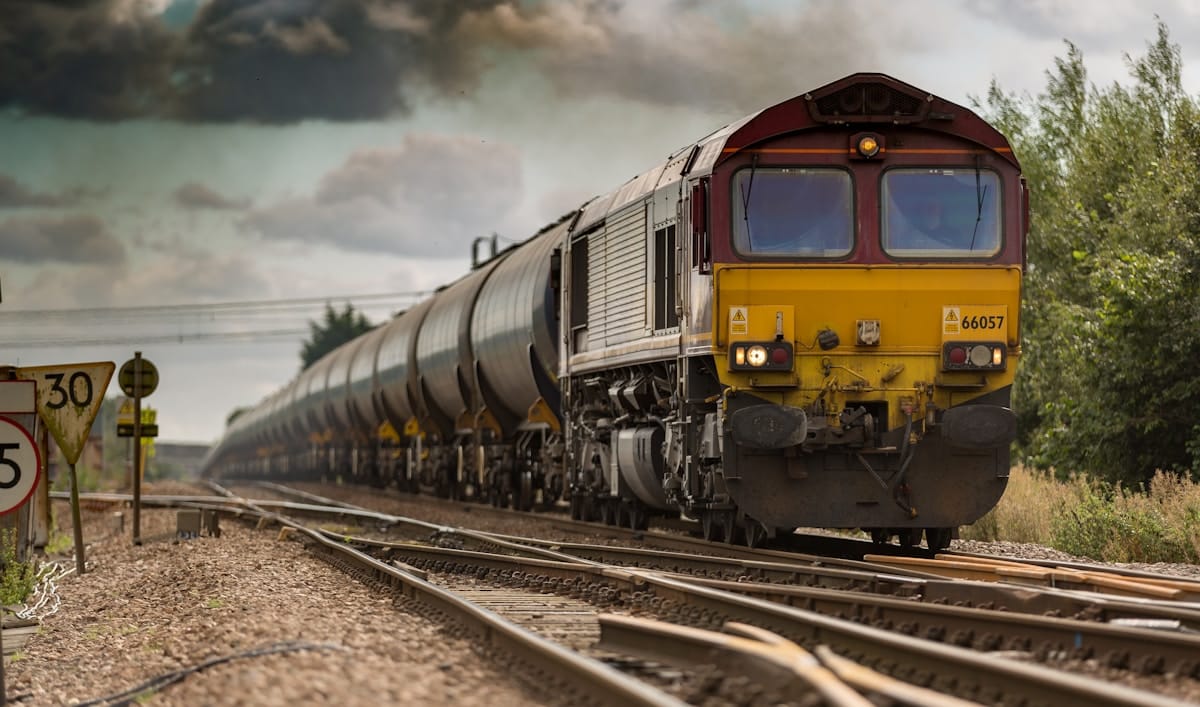
The newly elected board of Infraestruturas de Portugal (IP), the state-owned operator of the Portuguese rail-and-road network, has lost one of its vogais (non-executive board members) before a single executive meeting. The company on Monday 1 June 2026 confirmed that Alberto Aroso — the rail-and-transport engineering veteran who has been inside IP since the 2015 merger of EP-Estradas de Portugal and REFER — has filed a declaração de não aceitação (formal non-acceptance) of the board seat he was elected to at the 22 May extraordinary general meeting. Aroso's published explanation cites a motivo pessoal (personal reason) rather than a substantive dispute with the new governance arrangements.
The Seven-Name Board That Now Reads Six
The 22 May Assembleia Geral approved a fresh four-year mandate for the IP Conselho de Administração (Board of Directors) composed of seven names. Duarte Pitta Ferraz — the academic-and-banking-supervisor figure who has held the Banco BPI and Caixa Económica Montepio Geral chairs — took the chairman seat. Paulo Carmona, the former Director-General of the Direção-Geral de Energia e Geologia (Directorate-General for Energy and Geology), assumed the CEO seat. The vice-presidency, with responsibility for the ferrovia (rail) portfolio, went to Rui Coutinho, while Carlos Fernandes retained the second vice-presidency covering rodovia (road) and infrastructure procurement. The remaining three vogais were Alberto Aroso and two further non-executive names confirmed at the AGM. With Aroso out, the executive count drops to six and a replacement-vogal process has to be triggered through the next ordinary or extraordinary general meeting.
Why Aroso Mattered
Aroso is the operational-engineering brain of the railway side of IP. He carries the institutional memory of the REFER-era electrification programme, the post-2017 Ferrovia 2020 capex envelope and the ongoing Sines-Caia high-speed rail concession-phase. His non-acceptance is therefore a substantive read for the railway-investment side of the board, where Pitta Ferraz and Carmona are net incremental rather than institutional figures. The vice-president responsible for ferrovia, Rui Coutinho, retains the operational continuity layer; but the vogal seat Aroso was supposed to fill was the one that gave the railway portfolio its independent non-executive scrutiny voice.
Why a Vogal Refusal Is a Substantive Read
- Governance signal. Vogais in Portuguese state-owned-enterprise governance are appointed through a tripartite process: shareholder (UTAM/DGTF, the Treasury's state-shareholder unit) proposes, the Conselho de Administração endorses and the Assembleia Geral confirms. A motivo pessoal withdrawal at the post-AGM stage is rare and signals either a private-side conflict that surfaced post-confirmation or an internal disagreement on the post-22 May governance framework.
- Replacement cycle. Under the Código das Sociedades Comerciais (Commercial Companies Code) governance rules applied to state-controlled sociedades anónimas, the replacement-vogal nomination is the responsibility of the shareholder and the formal confirmation requires a fresh general meeting. The IP timetable for that confirmation is plausibly inside the third quarter.
- Operational read. The IP CA holds the rail-and-road infrastructure procurement decisions across an annual investment envelope of roughly €2 billion. The Tribunal de Contas (Court of Auditors) — the same body that last week released the €1.064 billion CP rolling-stock contract — has a direct line into IP capex governance. A vogal-bench short of one name during the post-AGM transition is a procedural exposure on the Tribunal's audit trail.
- The Sines-Caia angle. The new high-speed rail concession-phase is the marquee project under the new CA's near-term decision queue. A vogal vacancy on the railway side does not block decision-making, but it reduces the independent-scrutiny layer at the precise moment when the consortia bids — including the BCP-and-Mota-Engil-led Iberian consortium — are being processed.
What Happens From Here
The IP statement on Monday confirmed that the existing six-name board will function as a quorum and that operational decision-making is not impaired. The shareholder-side replacement-vogal nomination is now in the hands of the Direção-Geral do Tesouro e Finanças (DGTF), which is the state-shareholder unit inside the Ministry of Finance. The supervisory-side governance check sits with the Inspeção-Geral de Finanças (IGF) — the entity that scores IP's compliance with the state-business-sector governance rules. The next IP Assembleia Geral is procedurally due inside the third quarter of 2026; the replacement vogal will most plausibly be confirmed at that meeting.