Zero Cuts the 2026 'Zero Poluição' Roster to 73 Beaches — Eight Costas Drop Out, Grândola Carries Six and Two River Reservoirs Make the Microbiological Cut
Zero's 2026 Zero Poluição list carries 73 beaches with no detected microbiological contamination across three bathing cycles — eight fewer than 2025. Grândola leads with six, Porto Santo with five; 23 entries in, 31 out versus last year.
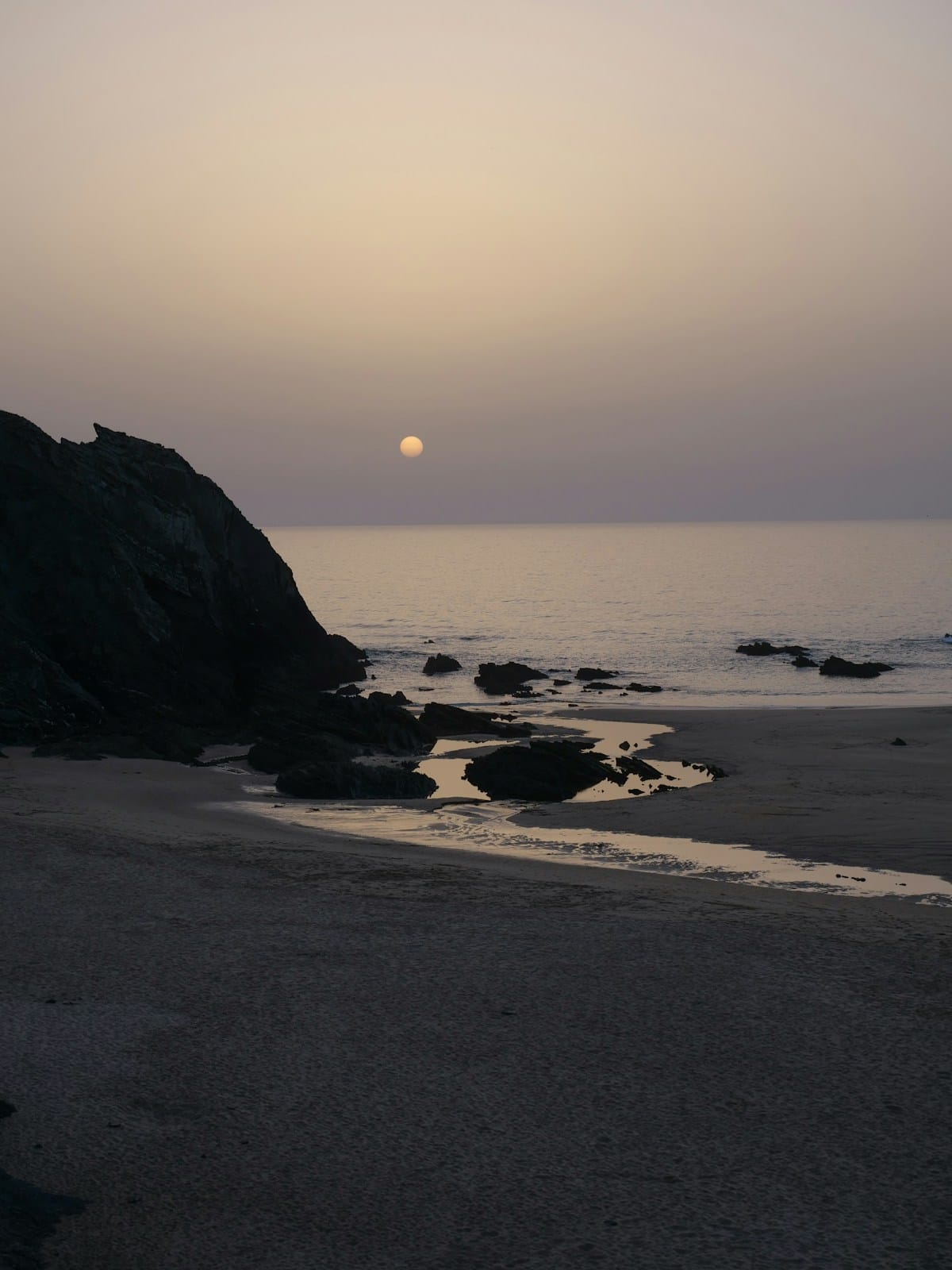
The environmental association Zero's 2026 list of Zero Poluição bathing waters, published Thursday 21 May ahead of the official summer season, identifies 73 beaches with no detected microbiological contamination across the last three bathing cycles — eight fewer than the 81 the same list carried in 2025. The 73 sites represent 11% of the 671 designated bathing waters the country monitors. The list is not a Bandeira Azul equivalent — the Blue Flag count for 2026 lands at 438 distinctions, including 396 beaches; the Zero Poluição filter is the tighter water-quality screen and a useful tell on where the long-run trend is improving or deteriorating.
The 23-In, 31-Out Reshuffle and the Regional Pattern
Inside the 73-beach roster, 45 sites sit on the continent, 21 in the Açores and 7 in Madeira. Grândola, on the southern Alentejo coast, takes the municipal lead with six beaches, overtaking Porto Santo with five. Zero records 23 new entries against 31 exits versus the 2025 list; new municipalities making the cut include Lagos, Setúbal, São Vicente, Moimenta da Beira and Sabugal, while Caldas da Rainha, Caminha, Ílhavo, Nazaré, Porto Moniz, Povoação, Santa Cruz, Sines, Sintra and Tomar lose representation. Two interior albufeiras — Vilar in Moimenta da Beira and Alfaiates in Sabugal — clear the microbiological test, a rare freshwater-reservoir read in a list that skews coastal.
Why the Roster Shrank
The methodology itself is part of the answer: a Zero Poluição classification requires excelente status with no microbiological detection across three consecutive bathing seasons, so a single contamination episode in the 2023, 2024 or 2025 cycle pulls a beach off the list. The pattern of 31 sites dropping while 23 new ones qualify is consistent with the seasonal-weather signal of the past two summers — atypical rainfall events, agricultural runoff in nearshore zones and intermittent urban-wastewater incidents all stack to produce isolated detections that disqualify a site from the rolling three-year window. The regression is incremental, not structural — Portugal's overall bathing-water compliance against EU thresholds remains among the strongest in the bloc — but it cuts the high-end count visibly.
What This Means for Expats
- The Zero list is the cleanest screen, not the only safe one: A beach off the Zero Poluição list can still hold a boa or excelente classification under the official APA bathing-water register — the Zero filter rules out beaches that had even one borderline reading across three years.
- Grândola is the volume play this season: Six clean beaches in one municipality is the highest density on the 2026 map and a useful planning anchor for a Comporta-area summer base.
- Porto Santo holds the Madeira archipelago story: Five of Madeira's seven entries sit on Porto Santo, concentrating the cleanest swimming on the smaller of the two islands rather than the main Madeira coastline.
- Inland swimming is now on the list: The Vilar and Alfaiates reservoir entries point to interior alternatives in Viseu and Guarda districts that are landing on the high-quality water map.
- Check the APA register before you swim: Bathing-water status updates weekly through the season; the Zero Poluição list is the three-year aggregate, not a real-time read on a given Saturday.
Zero updates the Zero Poluição list annually at the start of the bathing season; the next read lands in May 2027 against the 2024-2025-2026 cycle. The official APA bathing-water campaign opens on 15 June 2026 and runs through 30 September. On the groundwater side of the file, the protection perimeters just drawn around 23 Alentejo drinking-water boreholes shows how far the new restrictions reach, and where the state stopped short.