Where to Buy Property in Portugal for Under EUR100,000 in 2026
Lisbon at €6,059 per square metre. Porto at €4,060. These are the numbers that dominate headlines about Portuguese real estate, painting a picture of a market that has moved well beyond the reach of average buyers. But step away from the...
Lisbon at €6,059 per square metre. Porto at €4,060. These are the numbers that dominate headlines about Portuguese real estate, painting a picture of a market that has moved well beyond the reach of average buyers. But step away from the coast and the big cities, and Portugal tells a very different story.
New data from Idealista, based on February 2026 listings, reveals that seven Portuguese cities still offer property prices below €1,400 per square metre. In the most affordable, an 80-square-metre flat can be had for under €80,000 — roughly one-sixth of what the same space would cost in the capital.
The Seven Most Affordable Cities
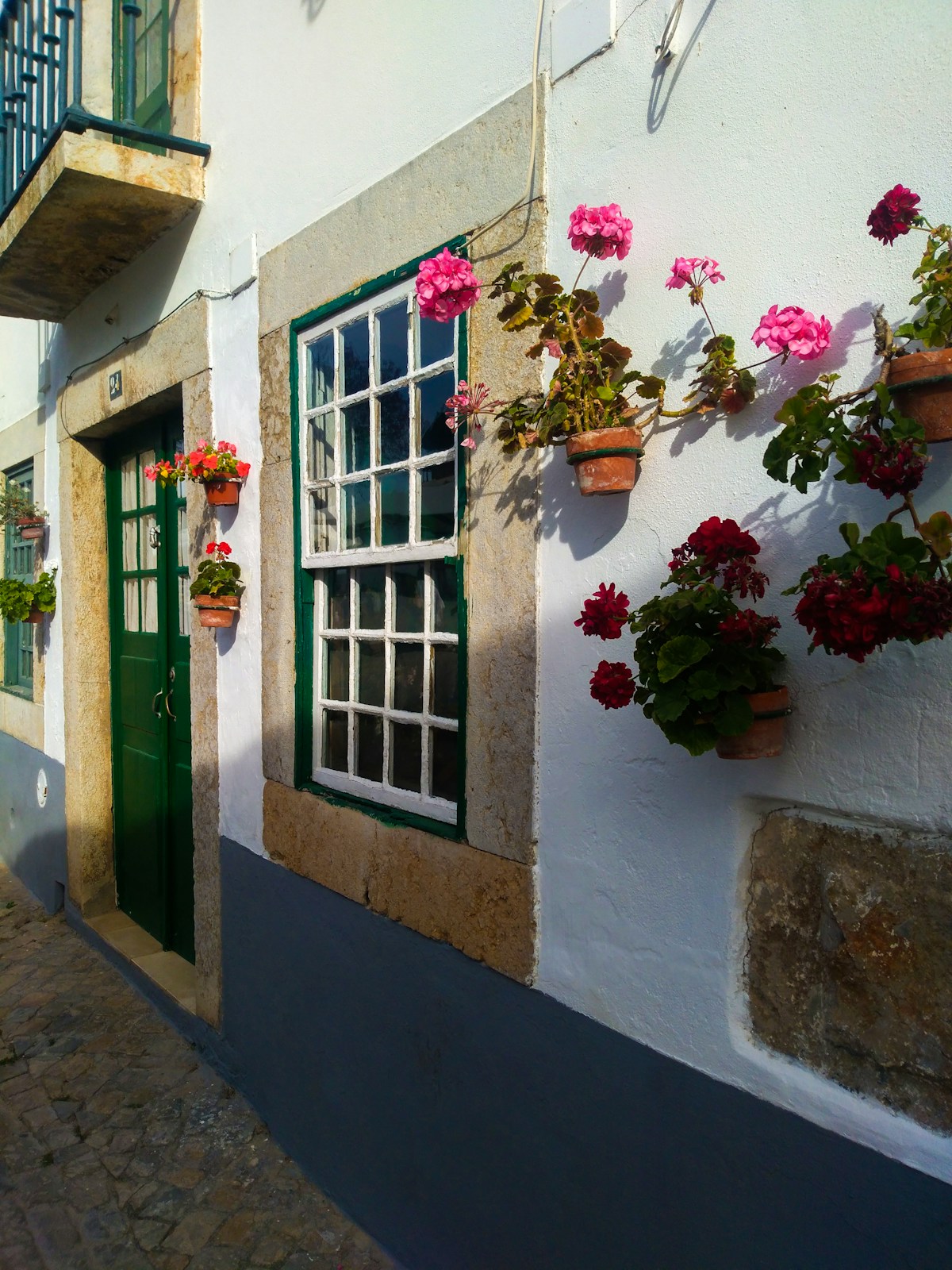
Portalegre leads the list at just €989 per square metre, placing an 80-square-metre flat at approximately €79,120. Tucked into the hills of the Serra de São Mamede near the Spanish border, the city is quintessentially provincial — whitewashed houses, quiet streets, and a rhythm of life that moves at its own pace.
Castelo Branco follows at €1,018 per square metre, then Guarda at €1,044. Both are regional capitals in Portugal's Centro region, offering the basic infrastructure of urban life — hospitals, schools, shops, transport links — without the price tags of the coast.
Elvas (€1,066), Bragança (€1,155), Covilhã (€1,345), and Beja (€1,356) round out the list. Each has its own character: Elvas is a UNESCO-listed fortress town; Bragança anchors the remote Trás-os-Montes region; Covilhã sits at the foot of the Serra da Estrela with a growing university population; and Beja is the warm heart of the Alentejo plains.
The Trade-Offs Are Real
There is a reason these properties are affordable. Portugal's interior has been losing population for decades. Young people leave for Lisbon, Porto, or abroad in search of jobs, culture, and opportunity. What remains are aging communities, limited employment options, and — in many cases — housing stock that needs significant renovation.
Remote work has begun to change this equation for some buyers. A software developer or consultant who can work from anywhere might find that €80,000 for a spacious flat in Castelo Branco, combined with Portugal's tax framework for remote professionals, offers a quality of life that no amount of money can buy in Lisbon. The same logic applies to retirees on fixed incomes and anyone willing to trade nightlife for nature.
But it is important to be clear-eyed about what "affordable" means in practice. Properties at these price points are often older, may lack modern insulation or energy efficiency, and renovation costs can add significantly to the final bill. Rental markets in these cities are thin, so buying is usually the only viable option — and resale liquidity is limited if circumstances change.
The Infrastructure Question
Perhaps the most significant factor is connectivity. Portugal's interior remains poorly served by public transport. The train network, while improving, is focused on the Lisbon-Porto corridor and a handful of commuter lines. Many inland cities are effectively car-dependent, which adds ongoing costs and limits their appeal to those accustomed to urban convenience. Some inland areas are adding bookable services: in the Alto Alentejo, taxis now run on-demand routes at bus fares.
Healthcare access varies too. While regional capitals have hospitals, specialist care often requires travel to Lisbon, Porto, or Coimbra. For families with young children, school quality and extracurricular options thin out considerably beyond the major urban centres.
A Different Kind of Portugal
For all these caveats, Portugal's interior offers something that the coastal cities increasingly cannot: space, quiet, community, and the sense of living in a place that has not yet been reshaped by international capital flows. Towns like Portalegre and Guarda are not trying to be anything other than what they are.
With the EU pushing for territorial cohesion and the Portuguese government investing in digital infrastructure for underserved regions, the gap between coast and interior may narrow in the coming years. For now, anyone willing to look beyond the obvious will find that Portugal still has corners where a modest budget can buy a genuine home.