Túnel do Marão Closes Its First Decade With 45 Million Vehicle Crossings — A4 Daily Average Climbs From 9,590 in Pandemic-Hit 2020 to 17,560 in 2025 as the Toll-Free Reset Lands Its Full Year
Infraestruturas de Portugal marks the Túnel do Marão's tenth anniversary with 45 million cumulative crossings. The 5.6 km Iberian record-holder anchors the A4 Vila Real–Amarante stretch, with daily traffic up from 9,590 in 2020 to 17,560 in 2025 after the January 2025 toll elimination.
Infraestruturas de Portugal disclosed this morning, 6 May 2026, that the Túnel do Marão closed its first decade of operation with 45 million vehicle crossings. The 5.6 km tunnel — still the longest road tunnel on the Iberian Peninsula — opened to traffic on 8 May 2016 along the A4 stretch between Amarante and Vila Real. The decade ledger reads as the clean operating evidence behind a major-infrastructure decision that took two-and-a-half decades to land: total investment of €398 million, of which €89.9 million in EU cohesion-fund support, and zero fatalities or serious-injury accidents inside the tunnel itself across the ten-year window.
The traffic curve is the cleanest single read. The 2020 daily average sat at 9,590 vehicles — already lower than the original baseline because of the pandemic mobility collapse. By 2022 it had recovered to 13,312. By 2025, the first full year after the A4 toll elimination on 1 January, it climbed to 17,560 vehicles a day. The +33% step from 2022 to 2025 is the visible price-elasticity proof that abolishing tolls on the former SCUT corridor pulls demand into the modern infrastructure.
Why Vila Real Got the Tunnel
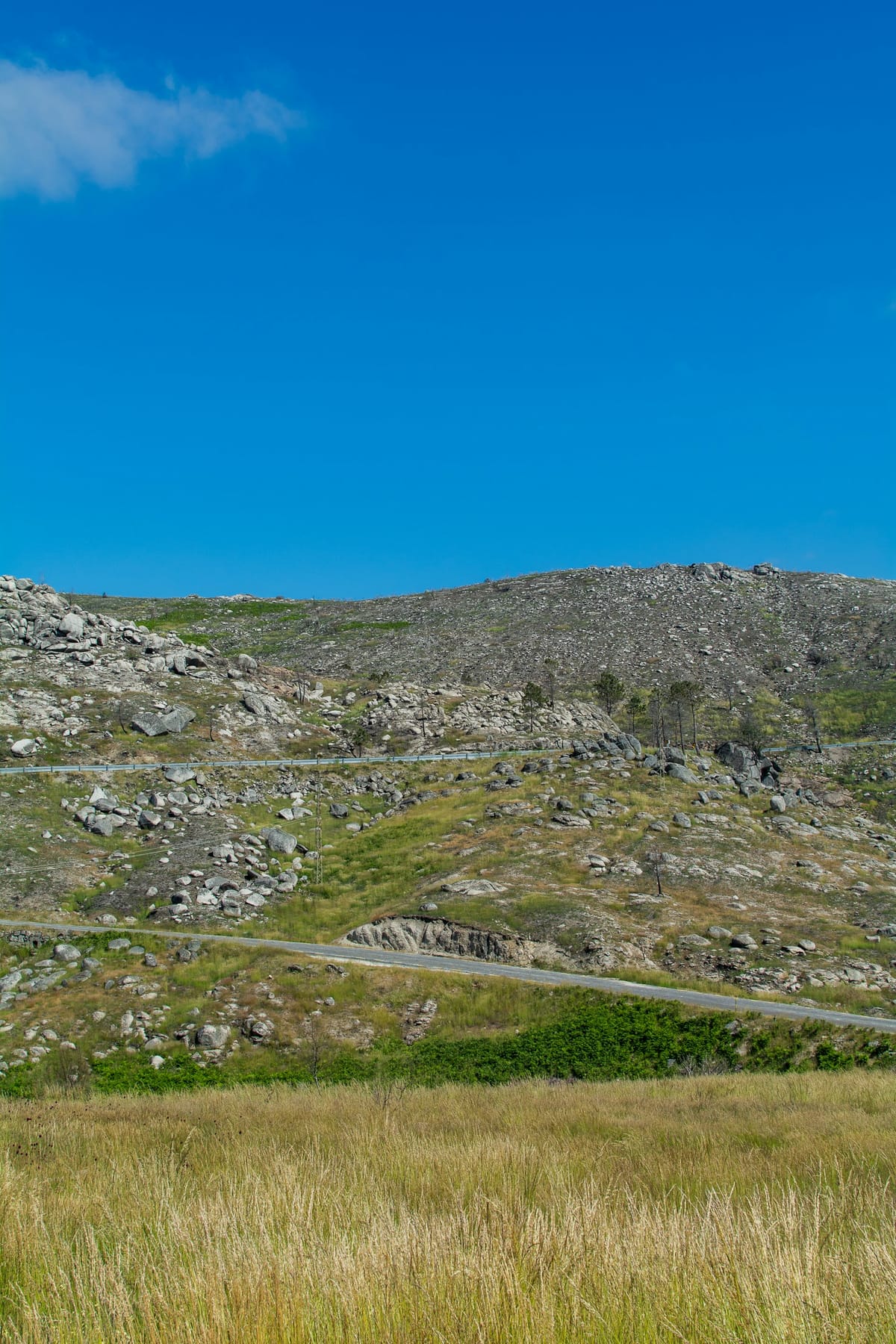
The Marão range is the orographic wall that historically separated Litoral Norte from Trás-os-Montes. The pre-tunnel route — the IP4 across the Marão pass — closed regularly in winter for snow and was the corridor where, in the 1990s and 2000s, the heaviest accident clusters per kilometre on the national road network were recorded. The 5.6 km of bidirectional twin-galleries (each two lanes wide) compress what was a 30-minute mountain crossing in good weather, and frequently impassable in bad, into a five-minute climate-controlled run.
The economic-geography effect, ten years on, is what Vila Real mayor Alexandre Favaios called the city's positioning at the "centro geodésico de todo o Norte" — the geodetic centre of the whole North region. The catchment now reads through to Mirandela, Bragança and the Spanish Castilla y León border without weather risk, and into the Galician-Asturian flow off the A4-A52 link at Verín. The mayor pointed to Aumovio (electronic-devices manufacturer), Antarr (forestry management) and the Fraunhofer Institute's Regia Douro Park research site as the three reference cases of post-tunnel investment that would not have located in a Vila Real disconnected by winter.
The Toll Question and the 2025 Reset
The A4 was a SCUT — Sem Custos para o Utilizador — for its first six years, before the 2010 austerity package put tolls on the corridor and turned the tunnel approach into a paid-passage bottleneck. The October 2024 government decision to remove tolls on the former SCUT corridors took effect on 1 January 2025. The Marão segment was the most-watched single test case for the toll-removal demand response. The 2025 daily average of 17,560 vehicles validates the demand-response thesis on which the toll-elimination decision was built.
What This Means for Expat Readers
For foreign residents in the Norte and Trás-os-Montes — smaller than Lisbon or the Algarve but growing in Vila Real, Bragança and the Douro wine-tourism corridor — the tenth-anniversary marker is a reminder that the regional mobility map has been redrawn. Porto to Vila Real now runs at roughly 75 minutes door-to-door without weather risk; Porto to Bragança at three-and-a-quarter hours. For 2026 visitors planning an east-of-Marão trip — the Côa Valley, the Douro Internacional natural park, Alvão, the Bragança citadel — the A4 is the corridor, the tunnel is toll-free, and IP's safety record holds.