The Porto Brief: Week of March 29, 2026
This Week in Porto Porto's municipal affordable housing program hit a new milestone this week, with Porto Vivo, SRU completing its latest lottery for 25 affordable rental units. The draw brings the total number of homes allocated through the city's...
This Week in Porto
Porto's municipal affordable housing program hit a new milestone this week, with Porto Vivo, SRU completing its latest lottery for 25 affordable rental units. The draw brings the total number of homes allocated through the city's arrendamento acessível programme to 436 families since its launch. The initiative targets households seeking rental solutions compatible with their income levels, addressing Porto's persistent affordability crisis in a city where median-income families now struggle to access homeownership.
Meanwhile, the Instituto da Habitação e Reabilitação Urbana (IHRU) announced plans to begin converting the former Quartel da Manutenção Militar in Lordelo do Ouro into affordable housing in the first half of 2027. The conversion of the historic military maintenance barracks represents one of several public-to-residential projects underway as Portugal accelerates its response to the housing emergency.
Nationally, Portugal's housing valuations reached another record in February, hitting €2,122 per square metre—a figure that continues to price out locals even as construction costs soar. Labour shortages and rising wages in the construction sector have made Portugal one of the EU countries with the steepest increases in homebuilding costs between 2024 and 2025.
In political news, the European Parliament's Special Committee on the Housing Crisis in the EU will visit Lisbon from March 30 to April 1 to examine Portugal's responses to the housing emergency. The delegation, which includes Portuguese MEP João Oliveira, will assess policy measures and meet with stakeholders across the capital—though the crisis they're examining is felt acutely in Porto and across the country.
Food & Wine
Porto's food scene continues to evolve as restaurants adapt to record-high grocery costs. Portugal's essential food basket hit an all-time high of €254.40 in late March, driven by the ongoing Iran war's impact on fuel and shipping costs. The increase is squeezing both households and restaurants, with many establishments adjusting menus or portion sizes to maintain margins.
In the Douro Valley, wineries are preparing for the spring tourism season amid concerns about public transport cuts. National transport operators have warned that rising fuel costs and mounting state debts could force service reductions—a particular concern for wine tourism routes that rely on bus and train connections from Porto. The government's €150 million monthly fuel subsidy package includes support for agriculture and some transport sectors, but uncertainty remains about long-term sustainability.
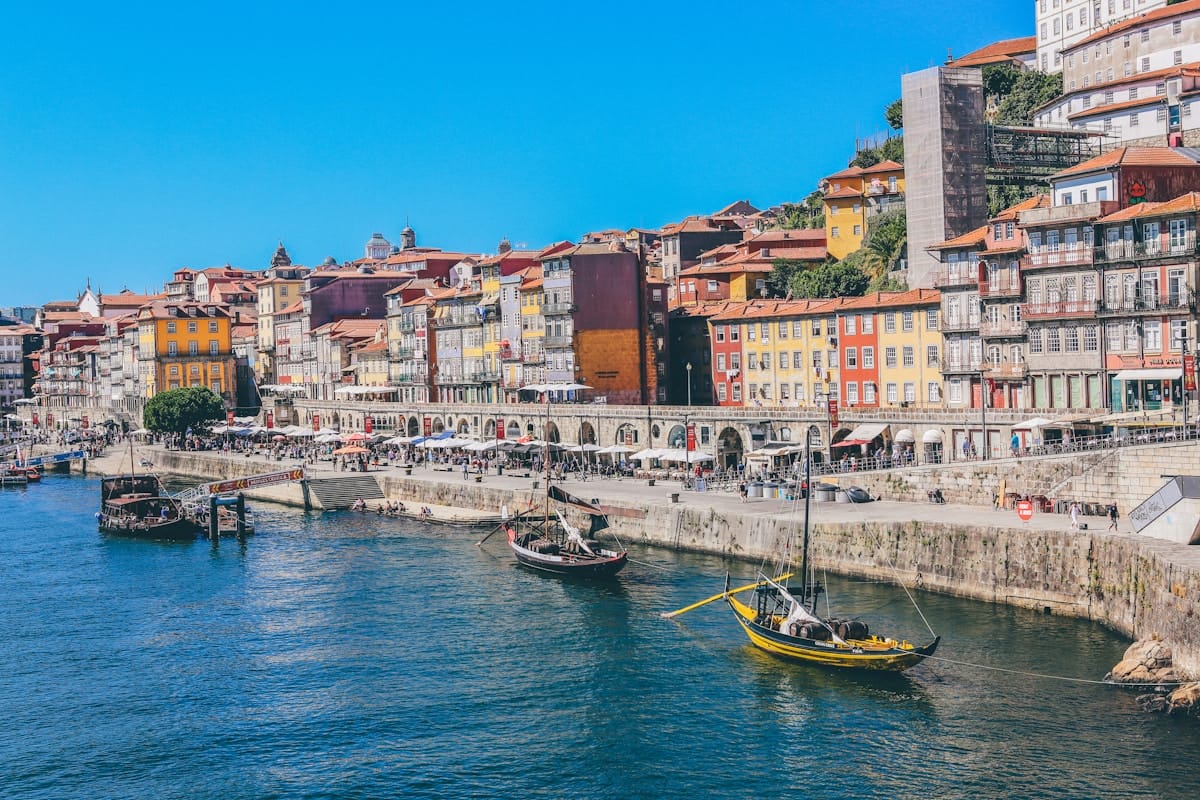
Despite cost pressures, Porto's wine bar culture remains vibrant. The city's Ribeira and Baixa districts continue to attract both tourists and locals, with newer establishments in neighbourhoods like Cedofeita and Bonfim offering more experimental natural wine selections alongside traditional Douro reds and ports.
Neighbourhoods & Property
Porto's property market mirrors national trends: valuations climbing, inventory tight, and affordability deteriorating. The latest Idealista data shows Porto among the cities driving Portugal's record €2,122 per square metre average, with premium neighbourhoods like Foz do Douro and Boavista commanding even higher premiums.
The 436 affordable housing units allocated through Porto Vivo represent a drop in the ocean compared to demand, but they signal the municipality's commitment to expanding options for middle- and lower-income residents. Lordelo do Ouro's Quartel da Manutenção Militar conversion will add more supply, though not until 2027 at the earliest.
Nationally, Portugal enacted legislation allowing one or more heirs to force the sale of inherited property after two years of indivision—a move designed to unlock frozen real estate that's been trapped in multi-heir impasses. The measure could increase housing supply in Porto and other cities where inheritance disputes have kept properties off the market.
Construction labour shortages remain a bottleneck. Portugal posted one of the EU's steepest rises in construction costs between 2024 and 2025, driven almost entirely by wage inflation in a sector struggling to attract workers. The shortage delays new builds and renovations alike, prolonging Porto's supply crunch.
Expat Corner
If you're renting in Porto—or anywhere in Portugal—this week brought a helpful reminder about tenant rights. Portugal's rental contracts remain heavily regulated, with deposits capped at two months' rent for fixed-term leases and three months for open-ended ones. Landlords must provide receipts, and eviction procedures are strictly codified. Expats new to the market should familiarize themselves with their protections under Portuguese law, especially as informal arrangements become more common in tight markets.
The government also relaunched the Botija Solidária subsidy program on March 26, offering €25 support for gas cylinder purchases to economically vulnerable families via participating parish councils (juntas de freguesia). The program targets households struggling with energy costs, which have risen alongside fuel prices. If you qualify—or know someone who does—check with your local junta de freguesia for eligibility and application details.
For those navigating Portugal's residency system, the April 15 deadline for non-EU residents with expired permits is approaching fast. The grace period ends soon, so if your documentation isn't current, prioritize AIMA appointments or consult an immigration lawyer to avoid complications.
Weekend Pick
With spring in full bloom, this weekend is ideal for a walk through Porto's Parque da Cidade—Portugal's largest urban park. The 83-hectare green space stretches from Boavista to the Atlantic coast, offering trails, lakes, and open lawns perfect for a picnic as temperatures warm. Pack a blanket, grab pastéis de nata from a nearby pastelaria, and spend a few hours away from the city's stone-and-tile density. The park's coastal end near Matosinhos also puts you within walking distance of fresh seafood restaurants if you want to extend the outing into dinner.