The Government Launches the Contest to Run the Porto Metro Beyond 2027
The Council of Ministers approved a tender for a new Metro do Porto operating concession that folds in the under-construction Rosa and Rubi lines and keeps the door open to Gondomar and Trofa.
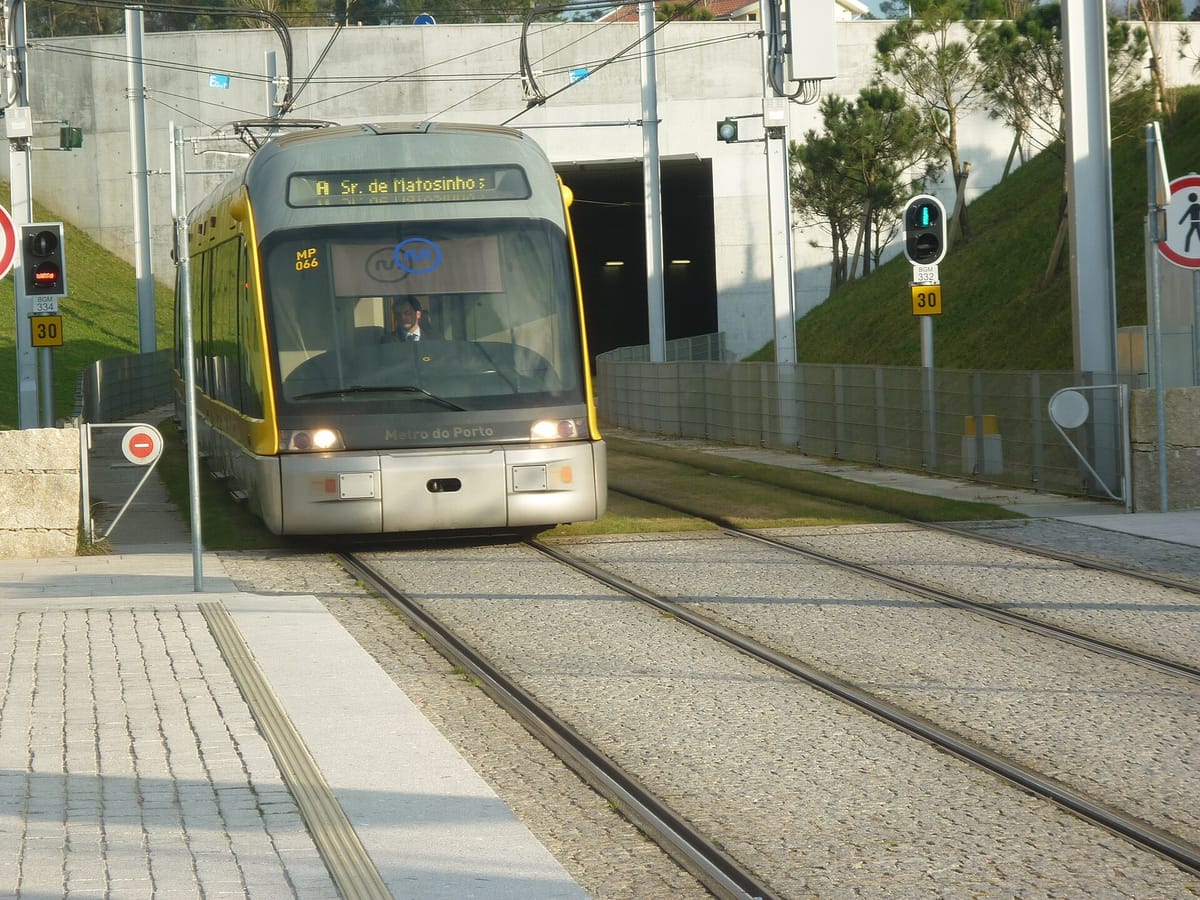
The Conselho de Ministros (Council of Ministers) approved on Friday, 17 July 2026, a tender to choose the next operator of the Porto light-rail network, launching the race to replace the current concession before it expires in March 2027. The new contract will be awarded under a public-private partnership (parceria público-privada, or PPP), continuing the model that has run the system since it opened.
The winning bidder will operate and maintain Metro do Porto’s existing six lines, 85 stations and roughly 70 kilometres of track — but the scope reaches further than today’s network. The tender folds in two lines still under construction: the Rosa line (linha Rosa) between São Bento and Casa da Música, expected to enter service in early 2027, and the Rubi line (linha Rubi) linking Casa da Música to Santo Ovídio in Vila Nova de Gaia, now scheduled for July 2028. The government has also left the door open to future extensions toward Gondomar and Trofa.
Why now
“The concession terminates next year, and launching the tender immediately for a new subconcession, including the new Rosa and Rubi lines already under construction, is necessary,” said Minister António Leitão Amaro, explaining the timing. Preparing a competitive procedure of this size takes months, and the current arrangement has already been stretched to its legal limit.
The incumbent operator is ViaPorto, part of the Barraqueiro Group, which has held the operation-and-maintenance subconcession since 2018. That original seven-year deal has been extended to its maximum, and now runs only until 31 March 2027. The previous contract was valued at €435.14 million (excluding VAT); the government says the new one will cost more, justified by the enlarged network the operator will have to run, but has not disclosed a figure.
A network still growing
Metro do Porto has become the backbone of public transport across the metropolitan area, spanning the municipalities of Porto, Vila Nova de Gaia, Matosinhos, Maia, Gondomar, Vila do Conde and Póvoa de Varzim. Demand keeps climbing: the system logged 94.54 million validations in 2025, a 5.4% rise on the previous year.
Both new lines have suffered delays — the Rubi line, in particular, has slipped well past its original timetable — and the fate of any Gondomar and Trofa branches will depend on financing decisions still to come. But by launching the operating tender now, the government aims to have a contractor in place the moment the Barraqueiro deal lapses, avoiding the stopgap extensions that have kept the trains running in recent years. The choice of who operates one of Portugal’s busiest transit systems for the next decade will fall to the bidders that step forward in the months ahead. On the Porto transport file, our report on Porto's mayor setting a 31 December limit for the second phase of the metrobus and naming the contractor as the reason the works on Avenida da Boavista are running late sets the latest reference. Update: on 6 October 2026, a test train ran the whole of the Pink Line for the first time with passenger service expected by the end of March 2027.