Ten Commanders Gone in 18 Months — Civil Protection Heads Into a 'Terrible Summer' With a Hollowed-Out Senior Cadre
ANEPC's national commander told parliament this week that ten senior commanders have left in 18 months — even as the Interior Ministry warns of a 'terrible summer' of fire risk. The brain drain and the fuel load are colliding.
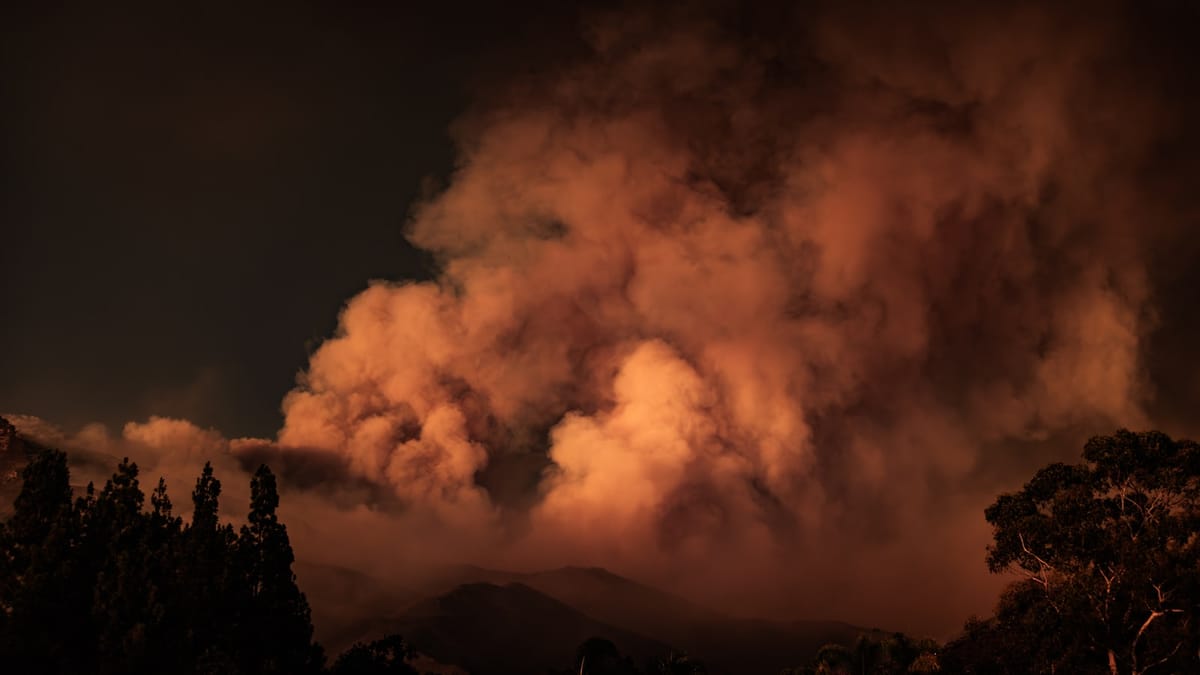
Mário Silvestre, the national commander of Portugal's civil-protection authority ANEPC, told parliament this week that around ten commanders have left the agency's direct command structure in the last 18 months — and that he expects to lose another sub-regional commander imminently. "Andamos a treinar pessoas e não temos capacidade de retenção," he said: we train people and have no capacity to retain them. The warning lands a week after the Interior Ministry made a "very serious" public appeal to citizens to prepare for what it called a "terrible summer" of fire risk.
Where the Commanders Are Going
The departures are not retirements. According to Silvestre's testimony, the senior officers leaving ANEPC are being recruited by ICNF — the institute responsible for nature conservation and forests — and by AGIF, the agency for integrated rural-fire management created after the 2017 catastrophes. Both pay better, both offer more linear career paths, and both compete for the same operational expertise. The Special Civil Protection Force's Fire Use Analysis unit, the cell that interprets fire behaviour for incident commanders in real time, has been hit specifically. These are not interchangeable hires; the institutional knowledge they take with them was, in Silvestre's framing, "grown and formed inside the house".
The Summer Ahead
The brain drain is colliding with conditions on the ground that even ANEPC's own communications now frame as exceptional. The January-February storm cycle felled millions of trees across the north and centre of the country, leaving an unprecedented dead-fuel load on the forest floor exactly as the dry season opens. Municipal contractors have so far cleared roughly 3,000 of the 10,000 kilometres of priority firebreak roads identified for 2026. Copernicus and the World Meteorological Organisation confirmed this week that Europe is warming at twice the global average rate; Portugal sits inside the Iberian hot-spot of that anomaly.
Silvestre's specific concern, beyond the headline numbers, is the rise in night-time fire occurrences and the concentration of incidents on the highest-severity weather days — what fire managers call simultaneity. Portugal's air-and-ground response model is built around the assumption that severity peaks can be surged to one fire at a time. Multiple high-intensity ignitions on a single bad day strain the system in ways the budget does not yet reflect.
The Structural Read
- Pay and career, not headcount: ANEPC's problem is not that it cannot hire. It is that the agencies adjacent to it — ICNF, AGIF — have more attractive terms for the most senior people. The Trabalho XXI labour package making its way through parliament does not address public-sector special-career compensation in the security and emergency family.
- Institutional memory: A sub-regional commander represents roughly two decades of operational training. Replacing one is a five- to ten-year project, not a recruitment cycle.
- Fuel load is the binding constraint: Even with full ANEPC staffing, the standing biomass left by the winter storms is a structural risk. The firebreak-road backlog is the metric to watch through May and June.
- Political exposure: The Interior Ministry's "terrible summer" framing is unusually direct for a Portuguese government. If the season turns out as warned, the political cost of a hollowed-out command structure will be high; if it does not, the warning itself will be reread as alarmism.
For residents in fire-exposed parishes — much of the interior north, the centre, and parts of the Algarve hinterland — the practical takeaway is the one civil protection always urges: clear the 50-metre perimeter, register the property's evacuation plan with the município, and keep the SMS-alert subscription active. The system is designed to work when those steps are done. This year, more than most, it is going to need them.