TAP Privatization Update: IAG Drops Out as Lufthansa and Air France-KLM Go Head-to-Head for Portugal's Flag Carrier
The race for TAP Air Portugal has narrowed to two contenders after IAG — the parent company of British Airways and Iberia — confirmed it would not submit a non-binding offer before Wednesday's deadline, leaving Lufthansa Group and Air France-KLM as...
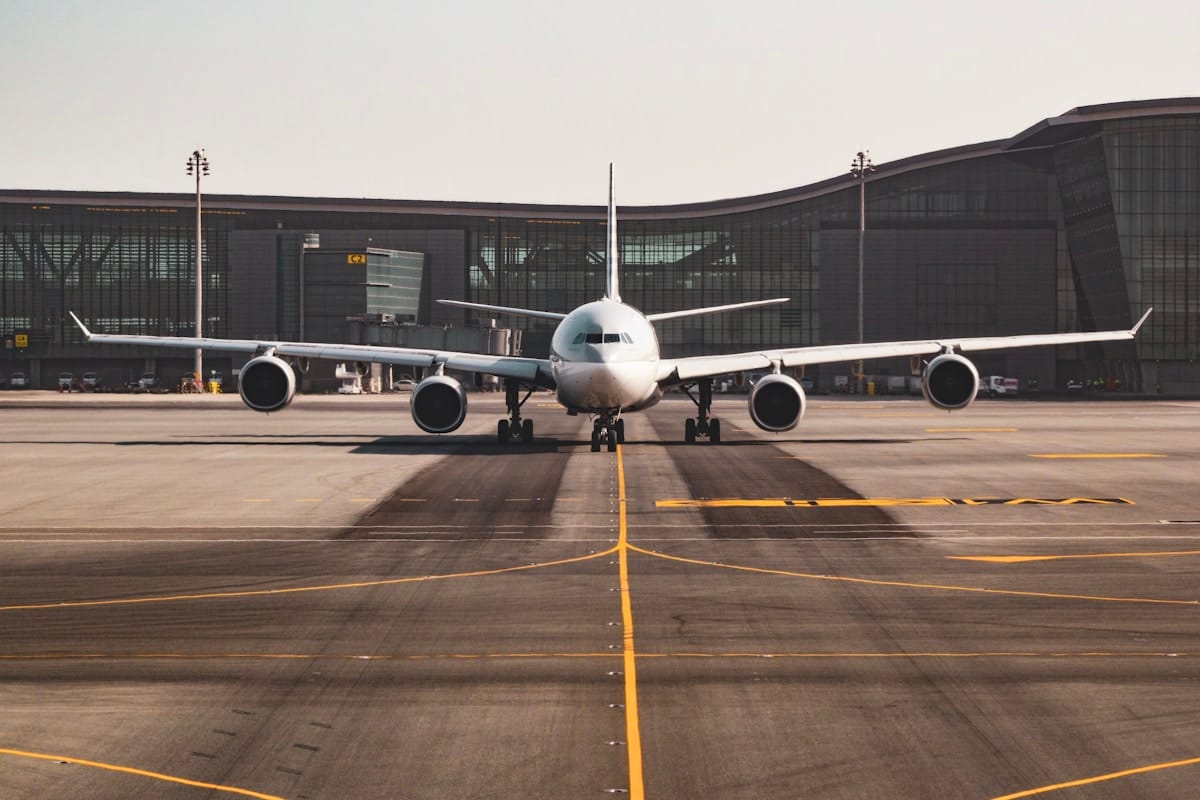
The race for TAP Air Portugal has narrowed to two contenders after IAG — the parent company of British Airways and Iberia — confirmed it would not submit a non-binding offer before Wednesday's deadline, leaving Lufthansa Group and Air France-KLM as the sole bidders for a 44.9 percent stake in Portugal's flag carrier.
Who's In, Who's Out
Air France-KLM was first to confirm its bid, releasing a statement on 2 April expressing "strong interest in becoming a strategic partner in TAP's future development." Lufthansa followed shortly after, submitting its own non-binding offer to state holding company Parpublica before the deadline closed.
IAG's withdrawal, while not entirely unexpected given the group's more cautious approach in recent weeks, simplifies the government's decision. The holding company had initially been seen as a serious contender, particularly given Iberia's strong position on transatlantic routes to Latin America — a market where TAP already excels.
What Each Bidder Brings
The two remaining offers represent fundamentally different strategic visions for TAP. Air France-KLM, which operates through the SkyTeam alliance, would integrate TAP into a network that includes KLM's powerful Amsterdam hub and Air France's Paris-Charles de Gaulle operations. The Franco-Dutch group has emphasised its interest in TAP's Lisbon hub as a gateway between Europe and Brazil, Angola, and Mozambique — former Portuguese colonies where TAP has historically unmatched brand recognition and route access.
Lufthansa Group, which already owns Swiss, Austrian Airlines, Brussels Airlines, and Eurowings, would bring TAP into the Star Alliance ecosystem. The German group's track record of acquiring and restructuring European flag carriers gives it credibility, though critics point to the mixed results at some of its subsidiaries.
The Aviation Crisis Factor
Both bids arrive against the backdrop of the most disruptive period in global aviation since the pandemic. The Iran conflict and the resulting energy price surge have pushed jet fuel costs sharply higher. Emirates and Qatar Airways have faced near-total cessation of operations due to airspace closures, creating both challenges and opportunities for European carriers.
For TAP, which relies heavily on long-haul routes to South America and Africa, fuel costs are an outsize portion of operating expenses. The privatization process was launched in July 2025 when oil was trading below $80 a barrel; it now sits well above $100, fundamentally altering the economics of any deal.
What Happens Next
Parpublica will now evaluate both non-binding offers over the coming weeks. The government retains the right to reject all bids if none meets its conditions — which include maintaining Lisbon as a hub, preserving key routes to Portuguese-speaking markets, and protecting employment levels.
Prime Minister Luis Montenegro's administration has framed the privatization as essential for TAP's long-term competitiveness, arguing that the airline needs a strong industrial partner to invest in fleet renewal and network expansion. The state will retain a majority stake regardless of the outcome.
For the roughly hundreds of thousands of expats who rely on TAP's routes to visit family, conduct business, or simply travel home, the choice of partner will have practical consequences: alliance membership determines code-share options, frequent flyer programmes, and ultimately which routes get invested in and which get cut. The binding-offer phase is expected to begin in the coming months.