Supreme Court Upholds Rape Convictions Against No Name Boys Members, Orders a Partial Retrial for One
Portugal's Supreme Court has rejected the appeals of four members of Benfica's No Name Boys claque, upholding convictions that include aggravated rape in a 2022 attack on a 16-year-old. For one defendant, a procedural flaw over identification evidence sends part of the case back to the Lisbon Court
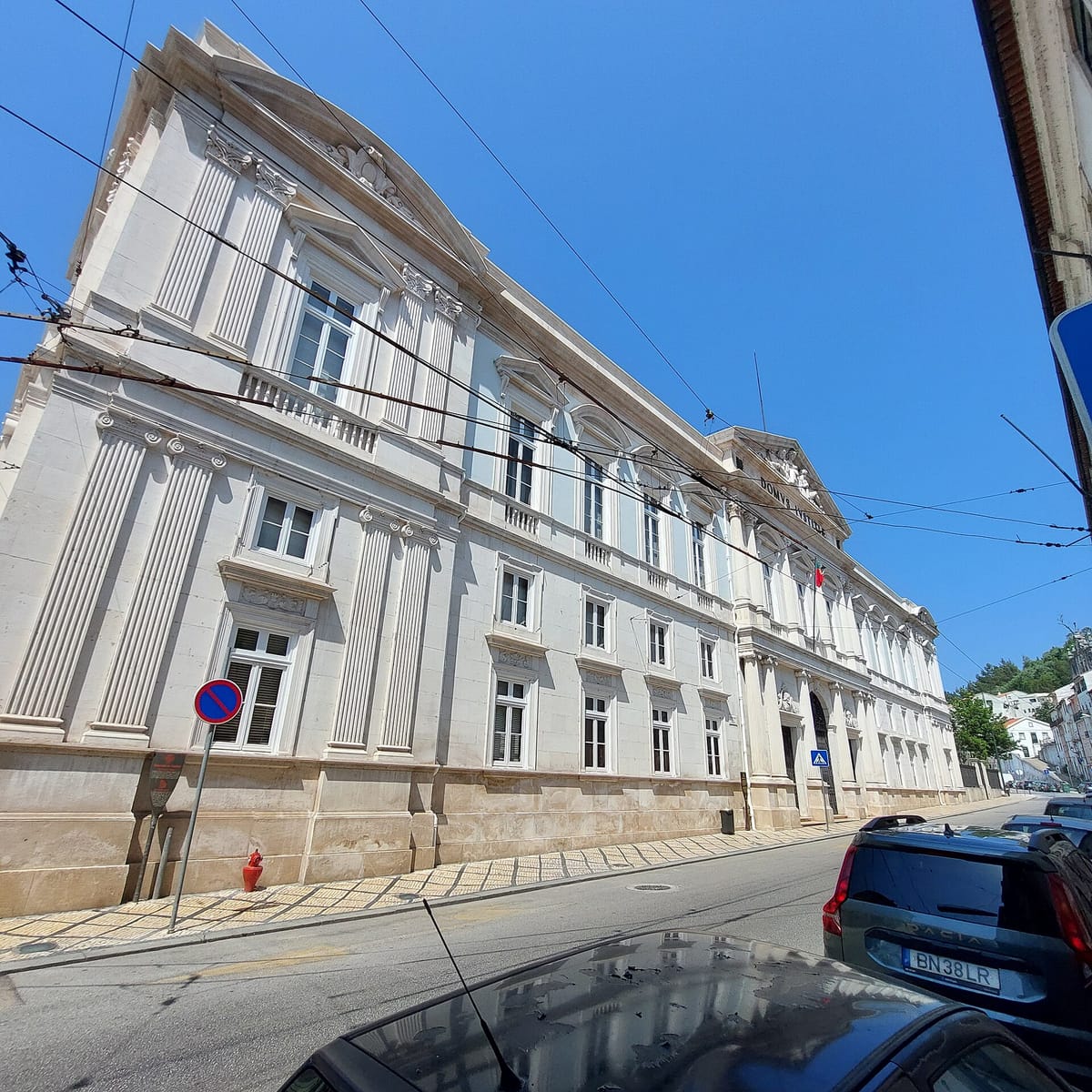
Portugal's Supreme Court of Justice (Supremo Tribunal de Justiça, or STJ) has rejected the appeals of four members of the No Name Boys, the hardcore supporters' group linked to Benfica, upholding their convictions in a case that includes aggravated rape. The ruling, handed down on Wednesday, closes off one of the last legal avenues for most of the defendants.
The four had been found guilty of a string of serious offences. Alongside aggravated rape (violação agravada), the convictions covered aggravated robbery, qualified assault causing bodily harm, unlawful recordings, coercion, possession of prohibited weapons and drug trafficking. In dismissing their appeals, the Supreme Court left those convictions and sentences intact.
One case sent back
The court did not rule uniformly. For one of the four defendants, the STJ identified a procedural flaw in how the evidence establishing his identity had been assessed. It ordered that portion of the case returned to the Lisbon Court of Appeal (Tribunal da Relação de Lisboa) for a fresh examination, limited to the public prosecutor's appeal concerning charges on which he had been acquitted at first instance and then convicted on appeal. The remaining defendants secured no such relief.
The crime
The offences date back to 2022. According to the prosecution, the victim — a 16-year-old boy — was leaving a handball match between Benfica and Sporting at the Estádio da Luz in Lisbon when members of the group seized him. He was taken to waste ground in the Alto dos Moinhos area, where the rape took place. The gravity of the case, and the involvement of an organised claque attached to one of the country's biggest football clubs, has kept it in the public eye since the first trial.
Organised supporter groups, known in Portugal as “claques,” have come under sustained scrutiny in recent years over violence and criminality, prompting tighter registration rules and repeated calls from authorities to sever the ties between clubs and their most radical fans. Wednesday's decision reinforces that pressure, confirming that criminal responsibility for such acts can be pursued all the way to the country's highest court.
The case has moved slowly through the courts since the first-instance trial, passing to the Lisbon Court of Appeal and now to the Supreme Court, which as a rule reviews questions of law rather than re-hearing the facts. Its refusal to disturb the bulk of the convictions means that, for three of the four men, the legal process is effectively at an end, subject only to any constitutional challenge; for the fourth, a narrow slice of the case must now be reconsidered.
For readers following Portugal from abroad, the case is a reminder that the passions surrounding the national game occasionally spill into grave criminal matters — and that the justice system, however slowly, follows them to a conclusion.