Storm Kristin Recovery Stalls: Only 10% of Reconstruction Applications Approved
Two months after Storm Kristin devastated Portugal's northern coast and interior, bureaucratic gridlock is stalling reconstruction. Only 10% of applications for homeowner assistance have been approved, leaving thousands in limbo while €500 million...
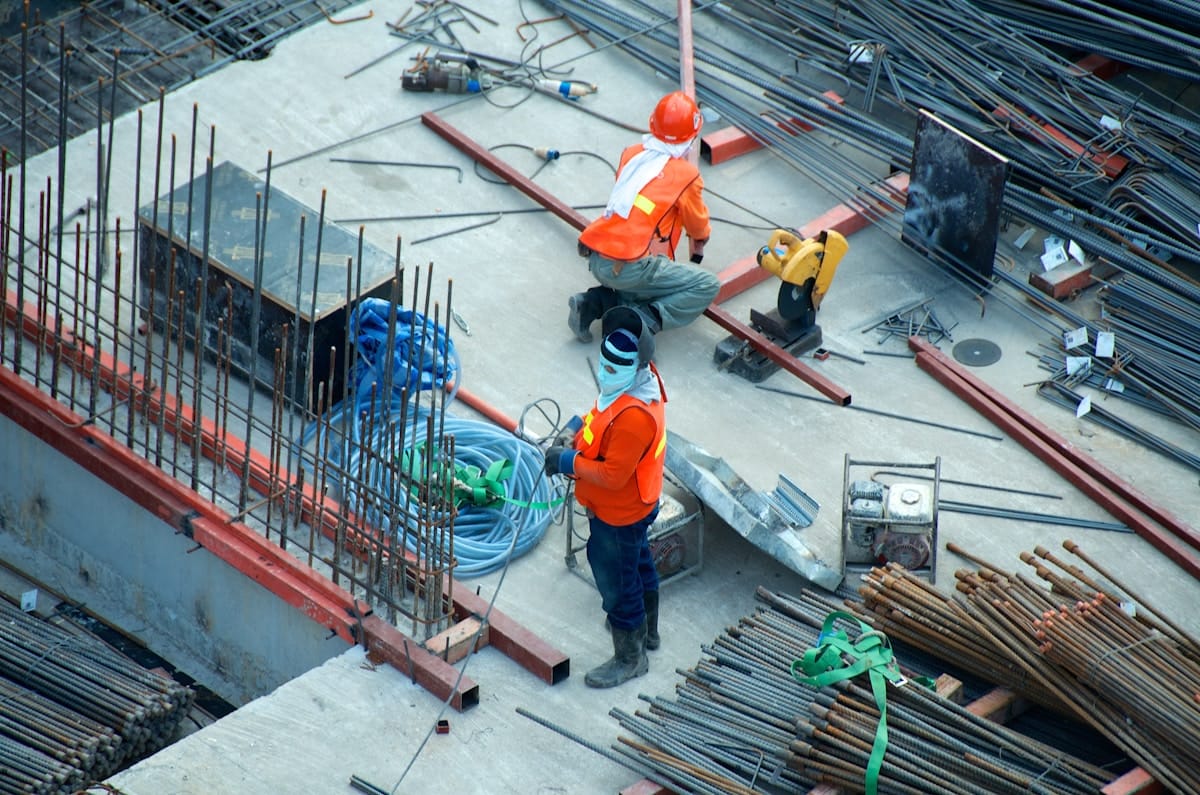
Two months after Storm Kristin devastated Portugal's northern coast and interior, bureaucratic gridlock is stalling reconstruction. Only 10% of applications for homeowner assistance have been approved, leaving thousands in limbo while €500 million in EU recovery funds sit largely untouched.
The Economy Minister announced this week that the government aims to complete the approval process by June 30—a deadline that feels distant to families still living in damaged homes or temporary accommodation.
The Numbers
Kristin, which struck Portugal on January 25-26, was one of the worst winter storms in decades. Wind gusts exceeded 140 km/h in some areas, while torrential rain triggered landslides and flooding. The official death toll stood at 8, with hundreds injured and approximately 15,000 homes damaged.
The government quickly announced comprehensive support: grants for repairs, low-interest reconstruction loans, and temporary housing assistance. But implementation has been glacial. Of roughly 12,000 applications filed by mid-March, just 1,200 have received approval. The bottleneck lies in damage assessment—inspectors are overwhelmed, and verification procedures are slow.
Meanwhile, €500 million in EU Recovery and Resilience Facility (PRR) funds allocated for other infrastructure projects have been suspended. Those projects now can't proceed because resources have been redirected to storm recovery—creating a cascade of delays across Portugal's economic development agenda.
Human Cost
For expats and foreign property owners affected by Kristin, the slow response compounds the trauma. Unlike Portuguese citizens who may have family networks to rely on, many international residents lack local support systems. English-language guidance on the application process has been patchy, and municipal offices—already understaffed—struggle with multilingual assistance.
One bright spot: Cascais municipality announced a dedicated compensation fund for affected businesses, showing what local initiative can achieve. But most storm-hit areas lack Cascais's resources and administrative capacity.
Why This Matters
The Kristin recovery reveals a persistent Portuguese challenge: strong crisis response rhetoric followed by weak execution. The government mobilizes quickly for headlines, then struggles with bureaucratic follow-through. It's a pattern seen in previous disasters, from the 2017 forest fires to COVID-19 economic relief.
For Portugal's international community, the lesson is clear: insurance matters more than government promises. Those with comprehensive property and contents policies are rebuilding. Those who relied on state assistance are still waiting.
The June 30 deadline may be met—politicians have a way of hitting targets when elections loom. But two months of waiting has already tested patience and left scars deeper than Kristin's winds.
Related reading: Casais Crosses €1 Billion and Splits Into Four — 6,000-Employee Construction Group Launches Four SGPS Holdings
Related reading: Storm Kristin Credit Moratorium Lapses 28 April — BdP's Five-Business-Day Rule, the PARI Framework, and Where 7,400 Borrowers Stand on €930M