Spain Edge Portugal 1-0 in Stoppage Time, and Roberto Martínez Steps Down
Portugal are out of the 2026 World Cup after a stoppage-time Mikel Merino goal gave Spain a 1-0 win in the last 16 in Dallas. Coach Roberto Martinez confirmed his departure, and Cristiano Ronaldo left his international future open as speculation turned to who takes over the Selecao.
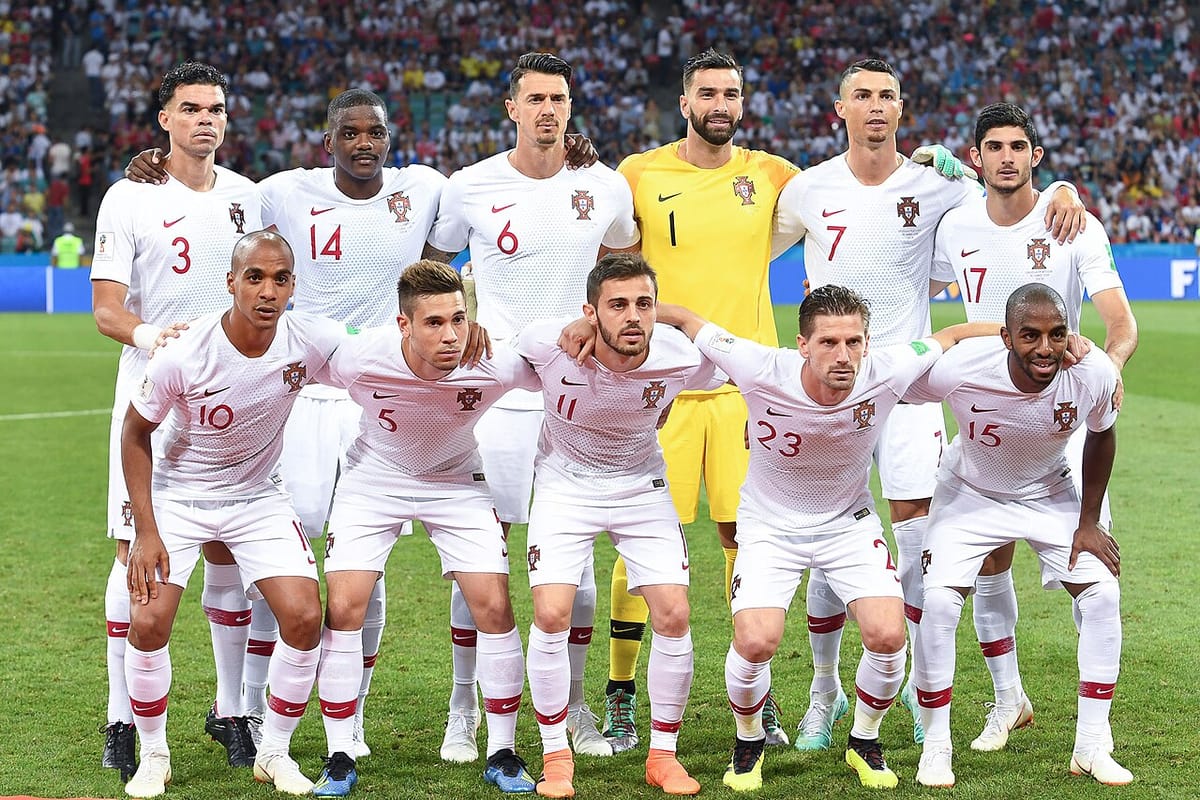
Portugal's World Cup ended on the cruellest of margins. Beaten 1-0 by Spain in a last-16 tie in Dallas on Monday night, the Seleção (national team) went out of the 2026 tournament in the first minute of stoppage time, when substitute Mikel Merino latched onto a Ferrán Torres pass and finished past goalkeeper Diogo Costa. Within hours, coach Roberto Martínez had confirmed he was leaving the job.
It was a bitter way to lose an all-Iberian knockout that had promised so much. Portugal had reached the last 16 the hard way, and against a Spain side that has tormented them before there was little to separate the two neighbours for 90 minutes. But a single moment of quality — a late run, a clipped pass, a clinical finish — settled it, and sent Spain through to the quarter-finals while Portugal packed for home.
The defeat brought the immediate end of the Martínez era. "I came to Portugal to win the World Cup, and without winning the World Cup I don't think it makes sense to continue," the Spaniard said afterwards, noting that his contract expired that day. He left with warm words for his squad and for captain Cristiano Ronaldo, whom he praised as exemplary, but the verdict on his tenure will be shaped by this early exit rather than by the Nations League title he delivered.
Ronaldo's own future was left hanging. The 41-year-old, playing in what many assume was his final World Cup, declined to say whether he would continue in the national team, leaving open a question that will hang over Portuguese football for months. His generation — the core that won Euro 2016 and the Nations League — is now unmistakably at its end, and the tournament in North America was widely seen as its last realistic shot at the one trophy that has always eluded it.
Portuguese newspapers captured the mood without mercy. Headlines spoke of a dream that "died on the beach," of "the end," and of a team that, in the words of one analysis, had "played without desire and without joy." Others argued the Seleção "had more in them" than they showed — a squad rich in talent that never quite clicked when it mattered most, undone as much by its own flatness as by Spanish quality.
Attention has already turned to who comes next. Speculation immediately centred on a possible return for a high-profile Portuguese coach, with the name of Jorge Jesus among those floated to take over a squad in transition. Whoever inherits the job will face the delicate task of managing the succession from the Ronaldo era while blending in a promising younger generation, with qualification for the next major tournaments the first order of business.
For Portuguese fans, the sting of losing to Spain at the death will linger, as these defeats tend to. Yet the raw materials for recovery are there: a deep pool of talent playing at Europe's biggest clubs, a strong youth pipeline and a federation that will now reset around a new coach. The dream of a first World Cup lives on — just not, this time, in the summer of 2026.