Social Democrats Nearly Double Their 2025 Profit While the Socialists and Left Bloc End the Year in the Red
The 2025 party accounts show the governing PSD nearly doubling its surplus to EUR2.4 million, helped by state subsidies, while the Socialists and the Left Bloc were the only parties to end the year in deficit. Chega slipped to second on profit and the small Livre quadrupled its result.
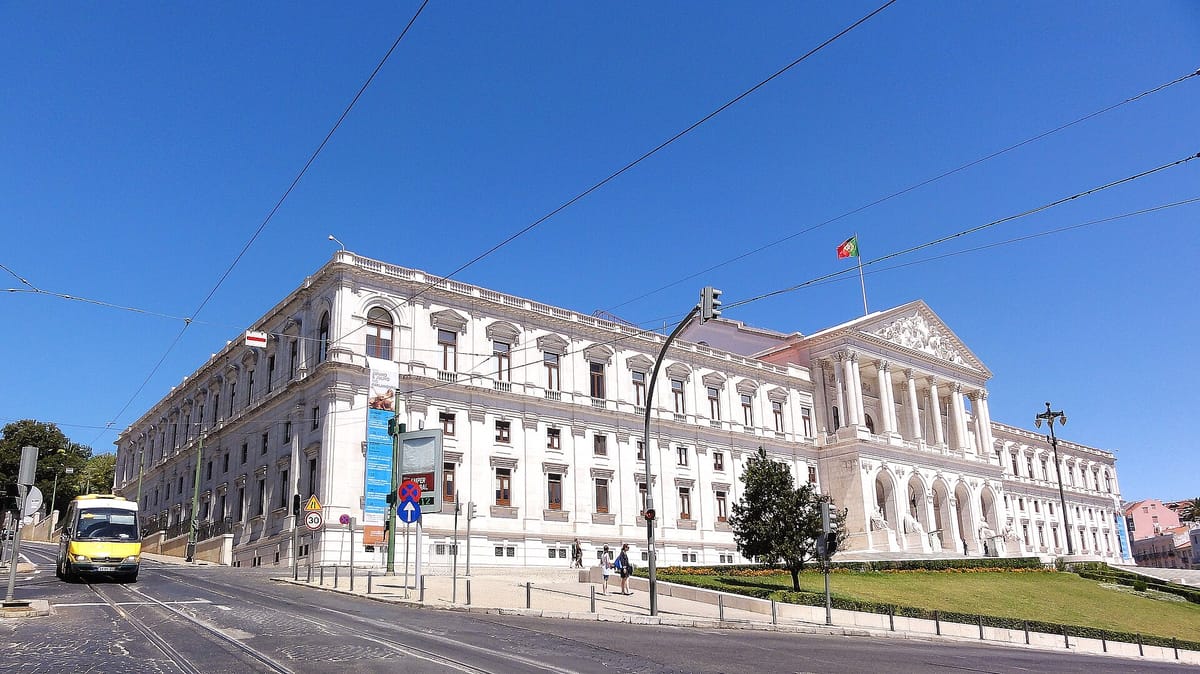
Portugal's governing party enjoyed a bumper year in 2025, while two of the main opposition forces on the left ended it out of pocket, according to the annual party accounts published this week by the Entidade das Contas e Financiamentos Políticos (Entity for Political Accounts and Financing), the body that audits how the country's parties raise and spend money.
The Partido Social Democrata (PSD, Social Democratic Party), which leads the current centre-right government, nearly doubled its surplus, moving from roughly €1.3 million in 2024 to €2.4 million in 2025. State subsidies — paid to parties in proportion to their electoral support — did much of the heavy lifting, a reminder of how public money underpins the finances of Portugal's political class between campaigns.
The standout loser was on the left. The Partido Socialista (PS, Socialist Party), the largest opposition party, again closed the year in deficit, although it narrowed the shortfall compared with the previous 12 months. The Bloco de Esquerda (Left Bloc) was the only other party to post a negative balance, leaving the two forces that dominated the left during the previous decade both spending more than they took in.
The reshuffle at the top of the earnings table is revealing in its own right. Chega, the hard-right party that recorded the biggest profit of any party in 2024, slipped to second place in 2025 with a net result of about €1.36 million — still a substantial sum, and a sign of how quickly its finances have grown alongside its parliamentary presence. Further down, the small green-left party Livre (Free) quadrupled its result, jumping from around €57,000 to €265,000 in a single year.
Party accounts rarely make front-page news, but they matter more than the modest figures suggest. In Portugal, parties are financed through a blend of state grants, membership fees and private donations, all of it subject to legal caps and disclosure rules intended to keep big money out of politics. The annual audit is the main public window onto whether those rules are working — and onto which organisations are financially healthy enough to fight the next campaign without taking on debt.
The timing sharpens the interest. Portugal has been through repeated elections in recent years, and the cost of fighting them has left several parties leaning heavily on the state subsidy that flows to those with seats in parliament. A healthy balance sheet gives a party room to invest in staff, polling and local structures; a run of deficits can force cutbacks that show up, eventually, at the ballot box.
There is a structural footnote to all this. The Entity for Political Accounts and Financing, which sits under the Tribunal Constitucional (Constitutional Court), has itself warned in the past that it lacks the resources to scrutinise party and campaign accounts as thoroughly as the law envisages. That tension — between ever-larger political budgets and a watchdog stretched thin — is likely to outlast any single year's figures, and it is one worth watching as the parties bank their surpluses or count their losses.