Seguro's First Council of State Puts Venezuela, Lajes Base, and EU Strategic Autonomy on the Table
President Seguro convened his first Council of State at Belém Palace on Friday to debate security and defence — placing Venezuelan political prisoners, the Lajes Base, and Europe's strategic independence from Washington at the centre of the agenda.
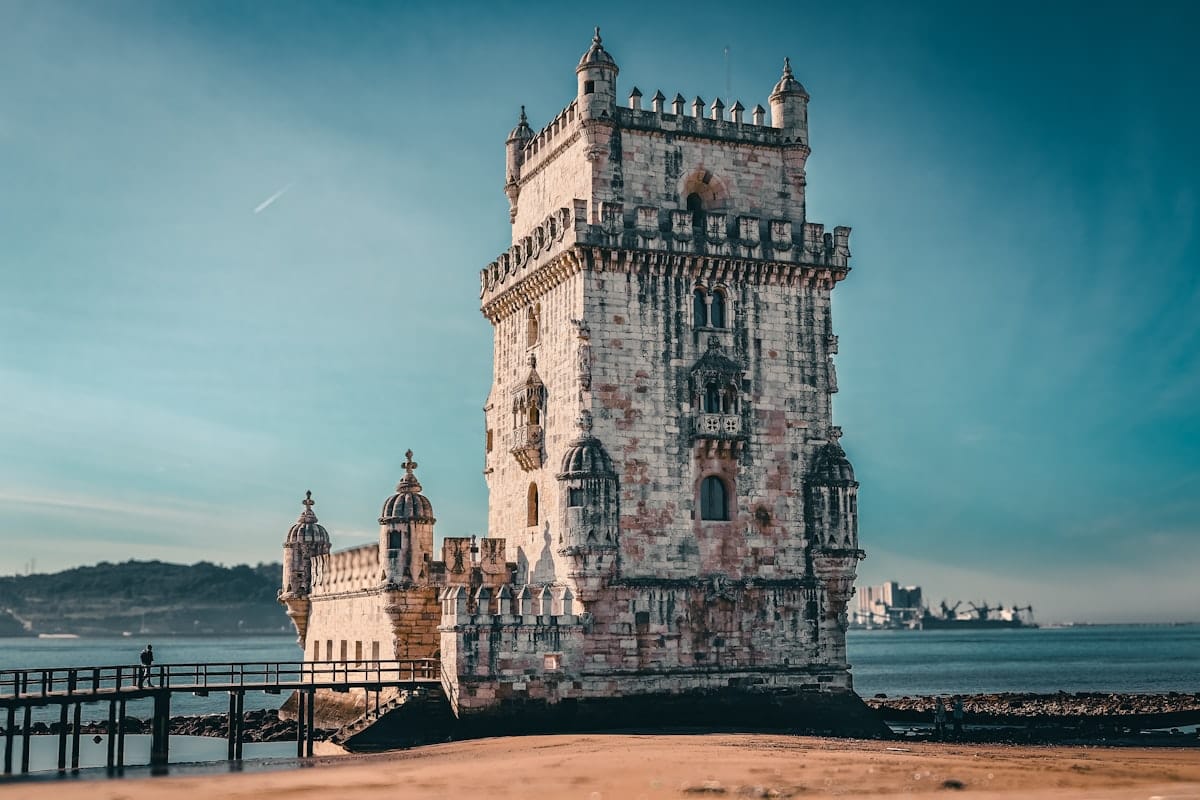
President António José Seguro convened his first Council of State at Belém Palace on Friday afternoon to debate security and defence — a campaign promise that became urgent faster than anyone anticipated.
With six lusodescendants still held among more than 500 political prisoners in Venezuela, the ongoing Hormuz crisis pushing fuel costs higher by the week, and Washington taking an increasingly assertive posture in the Atlantic, the timing of the meeting underscored just how quickly Portugal's external environment has shifted since Seguro took office.
Venezuela: Six Portuguese-Descended Prisoners Still Behind Bars
The President placed the plight of Portuguese-descended citizens detained in Venezuela at the top of the agenda. Despite a February amnesty law that was supposed to secure their release, local courts have refused to implement the order, leaving at least six lusodescendants in jail alongside hundreds of other political prisoners.
Parliament has already approved four resolutions calling on the government to recognise the illegitimacy of the Venezuelan regime and support the democratic transition, but diplomatic leverage remains limited. Seguro emphasised the need for coordinated European pressure rather than bilateral brinkmanship, a position that aligns with his broader vision for collective EU action on foreign policy.
The Atlantic Question: Lajes, Greenland, and US Interventionism
The Council also discussed the United States' increasingly interventionist posture under President Trump, including renewed pressure on Greenland and Denmark's Arctic sovereignty — a development that carries direct implications for the Azores-based Lajes Air Base.
Lajes, once a Cold War linchpin, has seen its American military presence dwindle over the past decade. But the return of great-power competition in the Atlantic has revived interest in the base's strategic position. Seguro highlighted the need for presidential counsel before Portugal takes any formal position on the base's future role, signalling that decisions about Lajes will not be left to the government alone.
EU Strategic Autonomy: Seguro's Big Bet
The overarching theme of the meeting was strategic autonomy — the idea that Europe must build military and diplomatic capacity independent of the United States. Seguro called for "dual investment" in both transatlantic ties and European self-sufficiency, framing it as a matter of sovereignty rather than ideology.
The position is not new — France has pushed the concept for years — but it carries particular weight coming from a Portuguese president. Portugal is a founding NATO member, reached the alliance's two-per-cent spending target four years early, and firmly rejected proposals for an EU army just this week. The question is whether Lisbon can maintain its Atlanticist credentials while simultaneously advocating for European defence independence.
Who Was in the Room
Seguro's five appointed counsellors — Alberto Martins, Isabel Capeloa Gil, Miguel Bastos Araújo, Maria Carmo Fonseca, and Nuno Severiano Teixeira — joined the ex officio members including Prime Minister Luís Montenegro, the president of the Constitutional Court, and former presidents of the Republic. The composition of the Council, heavy on defence expertise through Severiano Teixeira (a former defence minister), suggests Seguro intends the body to play an active advisory role rather than a ceremonial one.
What It Means
Friday's meeting was less about making decisions than about setting a tone. Seguro is positioning the presidency as an active participant in foreign and defence policy — a domain where Portuguese presidents have traditionally deferred to the government. With the Hormuz crisis unresolved, Venezuela's political prisoners still detained, and transatlantic relations under strain, the Council of State may convene on security matters more frequently than any of its predecessors.