Savannah Resources' Mina do Barroso Carries Europe's Largest Spodumene Resource Into Definitive Feasibility — 39.1 Mt JORC Tape Backs the EU Critical Raw Materials Strategic Project Status Granted in March 2025
Savannah Resources' Barroso lithium project — Europe's largest hard-rock spodumene resource at 39.1 Mt and 1.019 million tonnes LCE — keeps its European Commission Strategic Project designation under the CRMA as Boticas opposition stays live at the Tribunal Administrativo.
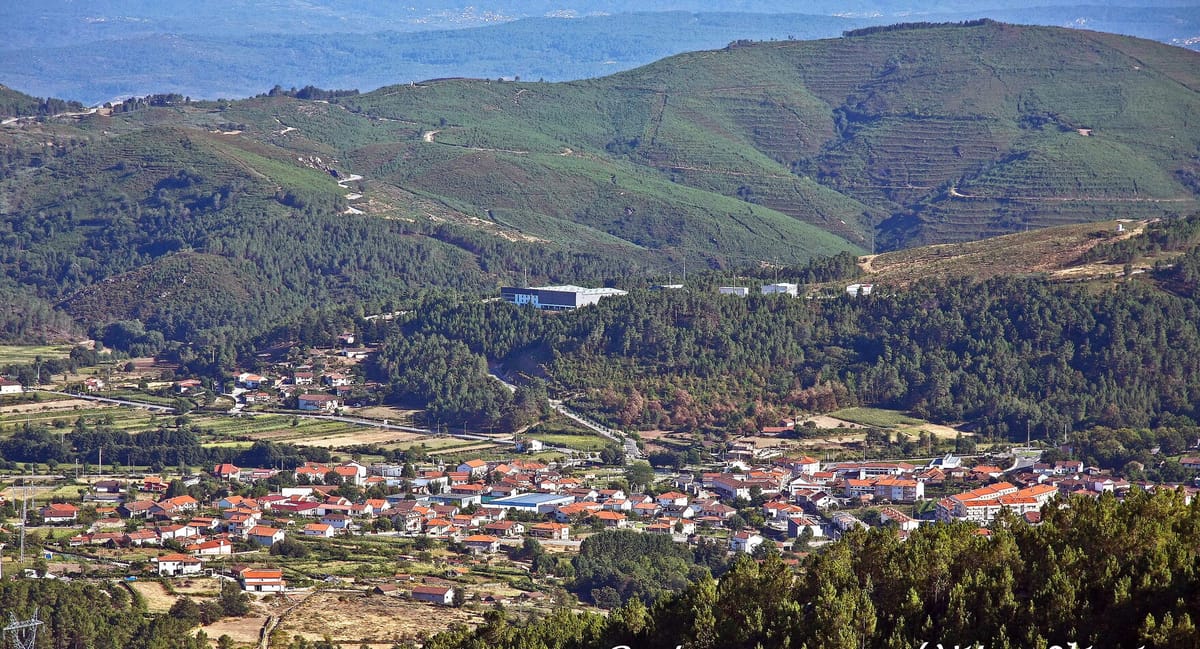
Savannah Resources' Barroso Lithium Project, sitting on two adjacent mining leases above the village of Covas do Barroso in the Boticas municipality of Trás-os-Montes, remains Portugal's only advanced lithium concession and the largest hard-rock spodumene resource in the European Union. A September 2025 JORC Code (2012) compliant Mineral Resource Estimate pegs the deposit at 39.1 million tonnes at an average grade of 1.05% Li₂O — equivalent to 411,900 tonnes of contained Li₂O, or roughly 1.019 million tonnes of lithium carbonate equivalent (LCE) — with 68% of the tonnage in the Measured and Indicated categories. The European Commission classified the project as a Strategic Project under the Critical Raw Materials Act (CRMA) in March 2025, anchoring it inside the bloc's 2030 battery supply chain.
The resource and its geometry
The Barroso resource spans five orebodies across the C-100 Mining Lease (5.42 km², granted in 2006 and valid to 2036, extendable by 20 years) and the adjacent Aldeia Mining Lease (2.74 km², granted in 2024 and valid to 2049, extendable by 20 years). Grandão is the largest deposit at 18.1 million tonnes; Aldeia, still under option, posts the highest average grade at 1.30% Li₂O. The deposit averages 0.8% Fe₂O₃ — low iron is considered a positive for spodumene concentrate buyers because iron is a deleterious element in downstream battery-grade lithium chemistry. Savannah's scoping work indicates sufficient lithium production for at least 500,000 electric vehicle battery packs per annum once the project enters commercial operation.
Critical Raw Materials Act anchoring
The CRMA, in force since 2024, targets EU-mined supply of at least 10% of annual consumption of strategic raw materials by 2030 — with lithium classified as both 'Critical' and 'Strategic.' Barroso's March 2025 Strategic Project designation recognises the deposit's potential to contribute to secure EU supply, adherence to ESG criteria, and clear cross-border benefits for the bloc. Designation carries practical perks: streamlined permitting, access to EU and member-state financial backing, and easier offtake conversations with European battery-cell manufacturers. The Agência Portuguesa do Ambiente (APA, Portuguese Environment Agency) issued a Declaração de Impacte Ambiental (DIA, Environmental Impact Declaration) Positiva in 2023, clearing the gate that has blocked or delayed lithium projects elsewhere in Europe.
Boticas opposition keeps the litigation calendar live
Covas do Barroso sits inside the wider Barroso Globally Important Agricultural Heritage Systems (GIAHS) zone, recognised by the United Nations Food and Agriculture Organization (FAO) in 2018 for its traditional agro-silvo-pastoral system. The Boticas Municipality and the Covas do Barroso Parish Council filed an administrative law suit in September 2023 challenging the APA's Environmental Impact Statement, and resident groups including the Movimento Não às Minas have kept Tribunal Administrativo proceedings active in parallel. Mayor Fernando Queiroga has been a public opponent of the project from the outset, framing the mine as a threat to local livelihoods and heritage farming.
What comes next
Savannah is working through the Definitive Feasibility Study (DFS) workstream alongside resource expansion and additional exploration, completion of the licensing process, offtake agreements, strategic partnerships, and a Final Investment Decision (FID). The company is targeting zero-carbon lithium, leaning on Portugal's grid — roughly 80% renewable at point of generation — and battery-electric mining equipment. Spodumene concentrate would truck from the mine to a local or European refinery, with five Atlantic deep-water ports inside a 300-kilometre radius keeping export logistics short.
The strategic stakes
Europe's lithium supply chain remains dominated by Chinese refining capacity and Australian, Chilean and Argentine upstream production. Barroso is one of a small cluster of CRMA Strategic Projects covering lithium that the Commission rubber-stamped in March 2025 — the working assumption inside Brussels is that without three or four of these projects reaching FID and construction over the next eighteen months, the bloc's 10% domestic extraction floor for 2030 slips out of reach. For Portugal, the project is also a near-unique strategic positioning play: success at Boticas would shift Portugal from energy-transition rule-taker to upstream supplier to Stellantis, Volkswagen and the cluster of battery-cell gigafactories under construction across Iberia and France. On the extraction side of the file, the contested kaolin and clay concession at Serra d'El-Rei sets out the 107-hectare Royal China Clay concession, the 20.5-year mine plan behind it, and why Peniche, Obidos and the parish council all want an unfavourable environmental decision.