Sacyr-DST-ACA Become the First Public Bidder for the €5.4 Billion Oiã-Soure High-Speed-Rail Concession — IP's Relaunched Tender Sets a 25 May Deadline After 2024's First Procurement Drew No Valid Offer
The first publicly named bidder has stepped forward for the second-section concession of the Lisbon-Porto high-speed rail line. The DST president, José Teixeira, told Jornal de Negócios on Sunday night that the consortium of Spain's Sacyr with...
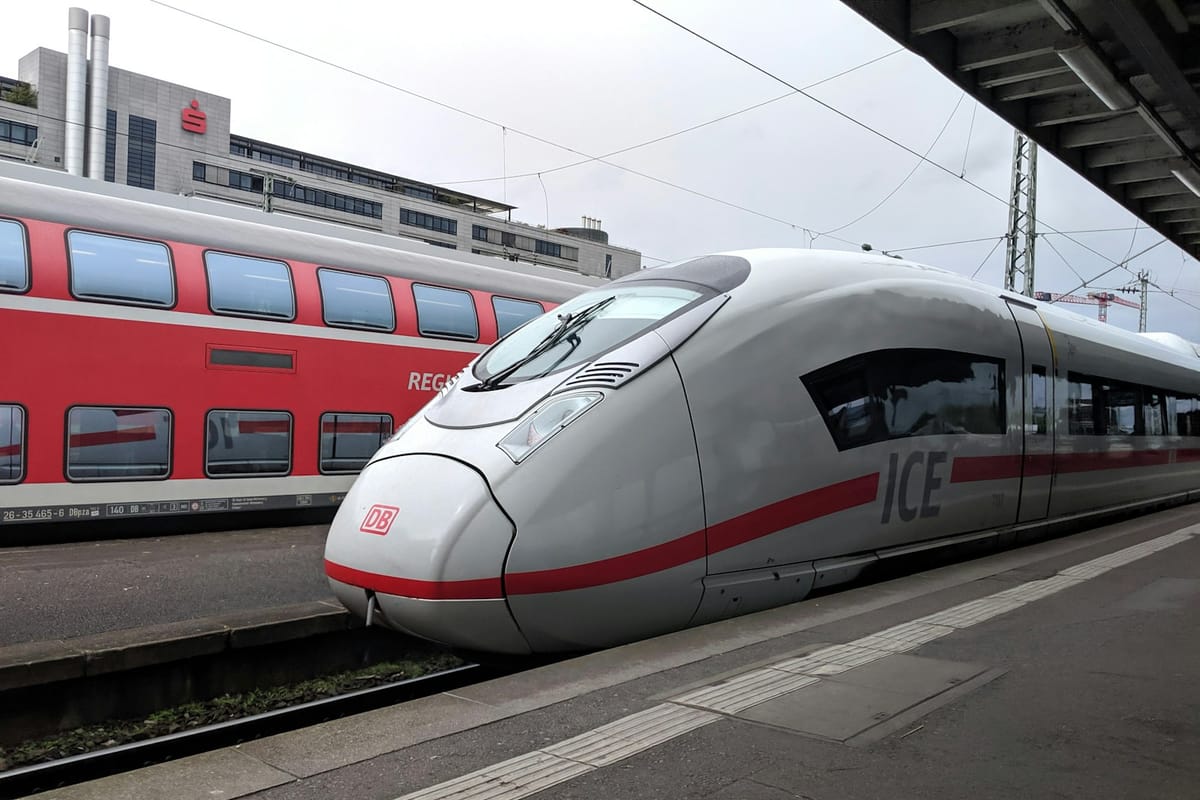
The first publicly named bidder has stepped forward for the second-section concession of the Lisbon-Porto high-speed rail line. The DST president, José Teixeira, told Jornal de Negócios on Sunday night that the consortium of Spain's Sacyr with Portuguese contractors DST and Alberto Couto Alves (ACA) will submit a proposal for the Oiã-Soure section before Infraestruturas de Portugal closes the bid window on 25 May 2026.
It is the same consortium that was excluded from the first section. Asked whether the base price would be enough this time, Teixeira said: "vão apresentar proposta" — they will submit a bid — and added that he had "no indications that the base price will not suffice." The wording matters. The previous procurement for the same Oiã-Soure stretch, opened in July 2024, was extinguished without a single valid offer. Eighteen months later, IP is back on the market with revised terms.
What is on the Table
The contract Infraestruturas de Portugal published in January is a 30-year public-private partnership covering both the design-and-build phase and the long availability period. Five and a half years are budgeted for development and construction. The remaining 24-and-a-half years are the availability phase, during which the concessionaire keeps the line in service and receives quarterly payments tied to performance and traffic.
The headline numbers, taken from the Government's communiqué of January and the IP tender notice:
- Maximum availability payments to the concessionaire: €4,765,379,097.59 in current prices over the life of the contract.
- Public funds reserved on top: up to €600 million for project execution costs, expropriations, site assembly and dismantling, supervision, and works that may be filed for EU co-financing.
- Total envelope: roughly €5.37 billion, before any cost over-runs.
- Bid deadline: 25 May 2026.
The €1.6 billion figure that has been circulating in the Portuguese press is the construction-only base price for the design-build phase, not the full PPP envelope. That distinction matters when reading commentary on whether the price will or will not be enough — Teixeira's reassurance to JN refers to the construction-base, where the first round broke down.
Why the First Tender Failed
The Oiã-Soure section was put out to tender on 26 July 2024 with a January 2025 bid deadline, and it collapsed because no bidder met IP's terms. Public reporting at the time pointed to the base price the contracting authority had set as the central point of contention: bidders considered the construction allowance too tight to fit the geological and earthworks risk of the corridor, and the original financial structure left the concessionaire absorbing too much of that exposure. The Sacyr-DST-ACA grouping was one of those named at the first round.
The Government opted to relaunch rather than negotiate directly with the failed-round bidders. In April 2025, the Ministry of Infrastructure signalled formally that a relaunch was coming. The new tender, gazetted in January 2026 with international publicity through the EU's Tenders Electronic Daily, brings forward a higher allowance, redrawn risk-sharing, and an availability-phase payment ceiling — the €4.765 billion figure — that is now anchored in the contract notice rather than left to negotiation.
Where Oiã-Soure Sits on the Map
Oiã is a parish of Oliveira do Bairro in the Aveiro district. Soure is the southern terminus of the Coimbra-area subsection. The two together span the Lisbon-Porto high-speed corridor's central segment — the long flat plain south of Aveiro through the Mondego basin to the threshold of Coimbra.
The full Lisbon-Porto line is being procured in stages. The first section, between Porto-Campanhã and Oiã, was awarded to a separate consortium and is still tracking toward construction start in the third quarter, according to IP's most recent comments. The Oiã-Soure procurement now under way is the second of those phased contracts. Subsequent stages, from Soure southward toward Carregado and into the Lisbon basin, remain at earlier procurement stages.
What Comes Next
The 25 May deadline is the closing point for the present tender — proposals submitted, then opened. The Government's communiqué laid out a 30-year contract structure of which 5.5 years are development. If the bid window closes with valid offers and IP signs the concessionaire under the schedule it has indicated, construction would begin late in 2027, with the line entering availability around 2032 or 2033. That is the timeline the Ministry of Infrastructure has been working from when discussing the broader 2030 target for end-to-end Lisbon-Porto high-speed service — a target that has slipped before and may slip again, but which the procurement schedule now ties to a definite contractual deadline rather than a political horizon.
For Portuguese-resident readers, the more immediate question is who shows up on 25 May. Sacyr-DST-ACA is the first to publicly commit. The first round drew interest from at least one other Spanish-Portuguese grouping; the relaunched terms — and the higher availability ceiling — are designed to draw them back. By the end of next month, IP will know whether the second section of the Lisbon-Porto line has a builder.
Sources: Jornal de Negócios (interview with José Teixeira, 26 April 2026); Infraestruturas de Portugal tender notice (January 2026); XXV Governo Constitucional communiqué; ECO; Observador.
The Portugal Brief’s reporting on getting a NIF as a new arrival in Portugal sits alongside this piece. On the public-spending and procurement side of the file, our analysis of Portugal loosening its public-procurement rules sets the latest reference.