Ryanair Demands Portugal Suspend the Entry-Exit System Until September After Two-Hour Queues at Faro, Funchal and Porto — Letter to Minister Luís Neves Cites Greece Precedent and EU's 90+60-Day Flexibility Window
Ryanair has formally asked Portugal to suspend the EU's biometric Entry-Exit System until after summer, citing one-to-two-hour queues at Faro, Porto and Funchal three weeks after launch. Greece has already exercised the EU's 90-day suspension carve-out.
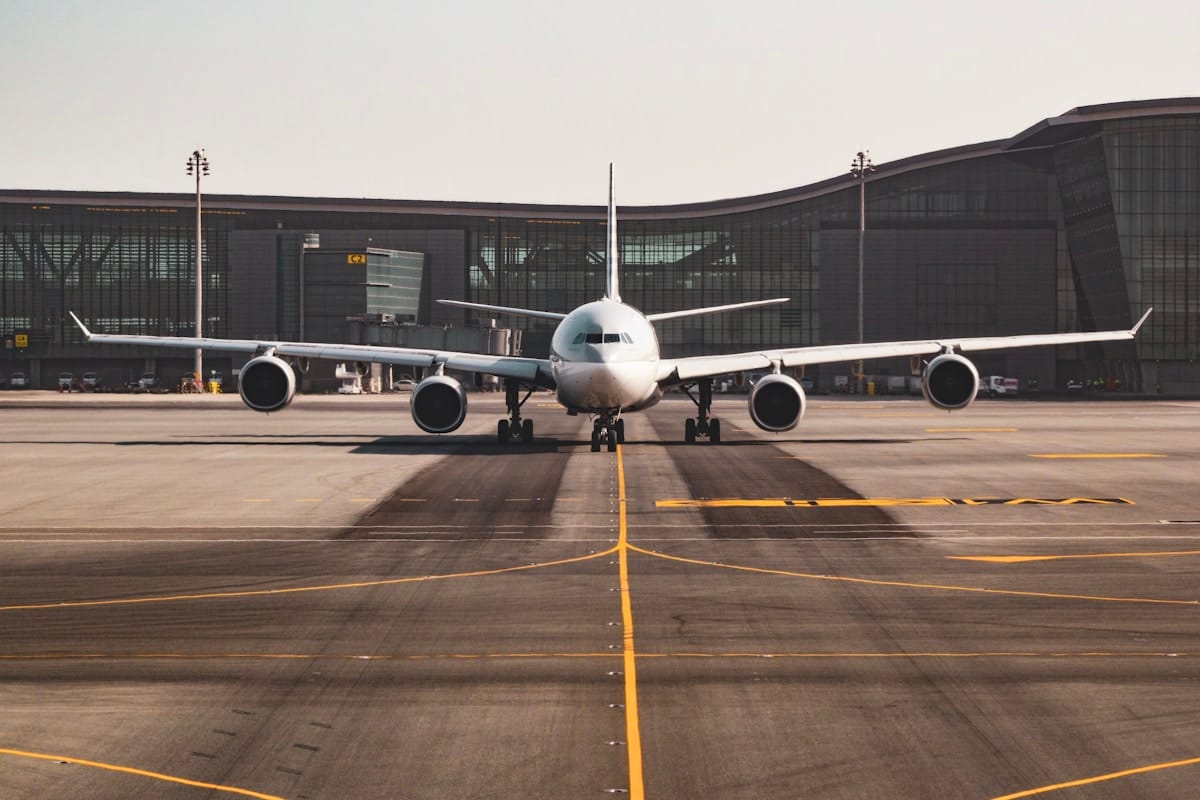
Ryanair has written to Portugal's Minister of Internal Administration, Luís Neves, demanding that the country suspend the European Union's new Entry-Exit System (EES) until September 2026, after the peak of summer travel. The low-cost carrier reports queues of one to two hours at Faro, Funchal and Porto airports, and accuses Portuguese authorities of having failed to deploy adequate staff, working kiosks and a stable IT backbone despite more than three years of advance notice. Identical letters were dispatched to 29 other EU countries running the system.
What the EES Actually Does
The Entry-Exit System became fully operational on 10 April 2026. It replaces passport stamps with a biometric record — fingerprints and a facial image — for non-EU nationals entering or leaving the Schengen Area for short stays. Each first crossing requires the traveller to enrol; subsequent crossings are checked against the record and automatically count Schengen days. The system is the regulatory bridge to ETIAS, the visa-waiver pre-authorisation due in late 2026.
The EU codified a flexibility window into the regulation: member states may partially suspend EES for up to 90 days, extendable by a further 60, when operational pressures threaten to disrupt traffic. Greece has already invoked the carve-out, which is the precedent Ryanair is asking Portugal to follow.
Ryanair's Argument
Chief Operations Officer Neal McMahon framed the demand bluntly: "The solution is simple and admitted according to EU law. Governments should suspend EES until September." The airline argues that summer 2026 traffic — which in Faro routinely doubles winter throughput — cannot be processed at the current registration speeds without forcing missed connections, gate-closure incidents and rolling delays through the Iberian network. The carrier has been particularly exposed at Faro, where Ryanair is the largest operator by seat capacity.
Portuguese officials have publicly defended the rollout, noting that the staffing plan was sized to the EU's original autumn 2025 launch and was reset when the launch slipped to spring. The current delays, the government argues, reflect a registration peak that will normalise once the bulk of frequent travellers complete their first enrolment.
What This Means for Expats
- Build extra time into airport runs. Until the EES queues normalise, allow at least an additional 60 minutes for non-EU citizens transiting Faro, Porto or Funchal. Lisbon Humberto Delgado has been the smoothest Portuguese hub but is not exempt.
- Residence-card holders are unaffected. Holders of Portuguese residence permits and EU long-stay visas remain outside the EES population, so the queues do not apply to fully documented expats.
- UK, US and Canadian travellers carry the heaviest impact. All three nationalities are short-stay visa-waiver users and will be enrolled into EES on first crossing this season.
- Family reunifications and visiting relatives. Friends and family flying in to visit residents should be briefed: enrolment kiosks are slowest at Funchal, and self-service kiosks where available shave queue time.
- ETIAS is next. A short-stay pre-authorisation requirement layers on later in 2026. Even if Portugal accepts Ryanair's suspension request, the underlying regulatory direction is unchanged — biometric-led short-stay processing is the new baseline.