PS Leader's Venezuela Visit Sparks Internal Backlash as Senior Socialists Question the Optics
A weekend trip by Portugal's Socialist Party leader to Venezuela has triggered an unusually public display of discomfort within the party, with senior figures distancing themselves from the visit and questioning its political wisdom at a sensitive...
A weekend trip by Portugal's Socialist Party leader to Venezuela has triggered an unusually public display of discomfort within the party, with senior figures distancing themselves from the visit and questioning its political wisdom at a sensitive moment for the PS.
Jose Luis Carneiro, the PS secretary-general, spent four days in Venezuela last week, officially to strengthen ties with the Portuguese community there. He met Venezuela's foreign minister Yvan Gil — a central figure in the Maduro government — and had a planned meeting with interim president Delcy Rodriguez, though that was postponed due to what was described as a last-minute scheduling conflict.
Internal Unease
The trip quickly became a source of tension within the party. Francisco Assis, the PS's own secretary for international relations, responded to questions with a pointed one-line statement emphasising that his position on Venezuela's regime "has not changed" and referencing his record of voting to condemn it in the European Parliament. Notably, Assis said he had not followed the visit "in detail" — a remarkable admission given his portfolio.
Former health minister Marta Temido, now an MEP, was more direct. She told Observador that if the visit was not exclusively about supporting the Portuguese community, "then it was an own goal." Other party members, speaking privately, described having to "bite their tongues" to avoid publicly criticising the leader at what they see as a delicate moment for the party.
Why It Matters
The discomfort is rooted in timing and optics. The United States launched a military intervention against Venezuela in January, leading to the detention of Nicolas Maduro. The PS condemned that operation at the time. But Rodriguez, who assumed the interim presidency, is a figure of continuity from the Chavez-Maduro era, and any perception of legitimising her government creates political risk for a party that has historically tried to maintain a clear line on democratic values.
Carneiro's meeting with Gil — who served under Maduro — adds to the complexity. The PS leader said Gil showed willingness to address the situation of at least four Portuguese-Venezuelan citizens currently detained in the country, framing the visit as having concrete humanitarian outcomes. The party's communities department, led by Paulo Pisco, organised the programme, which included engagements with Portuguese residents across several Venezuelan states.
A Party Under Pressure
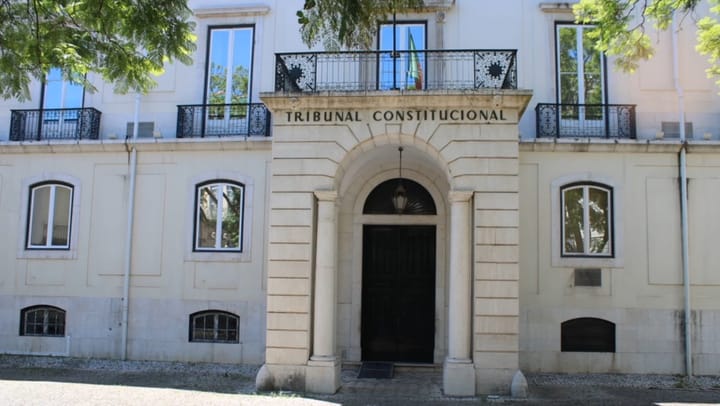
The Venezuela episode lands at a difficult time for the PS. The party is already navigating a tense standoff with the PSD over the budget and the Constitutional Court, and its leadership is under scrutiny as Portugal's political landscape grows more volatile. Carneiro's ability to manage internal dissent will be tested in the weeks ahead, particularly as the Secretary of State for Portuguese Communities has announced his own visit to Venezuela from 31 March to 2 April — a trip that will inevitably be read through the lens of whatever fallout the PS leader's visit generates.
For the estimated 400,000-strong Portuguese diaspora in Venezuela, the political drama is secondary to practical concerns: access to consular services, support for elderly and vulnerable community members, and the fate of detained citizens. Whether Carneiro's trip delivers on those fronts may ultimately matter more than the headlines it has produced at home.
Sources: Observador, SIC Noticias, Lusa