Portuguese Science Captures About €10 Million in European Research Council Advanced Grants
Researchers tied to Portugal won roughly €10 million in the European Research Council's latest Advanced Grants, the EU's most prestigious funding for established scientists.
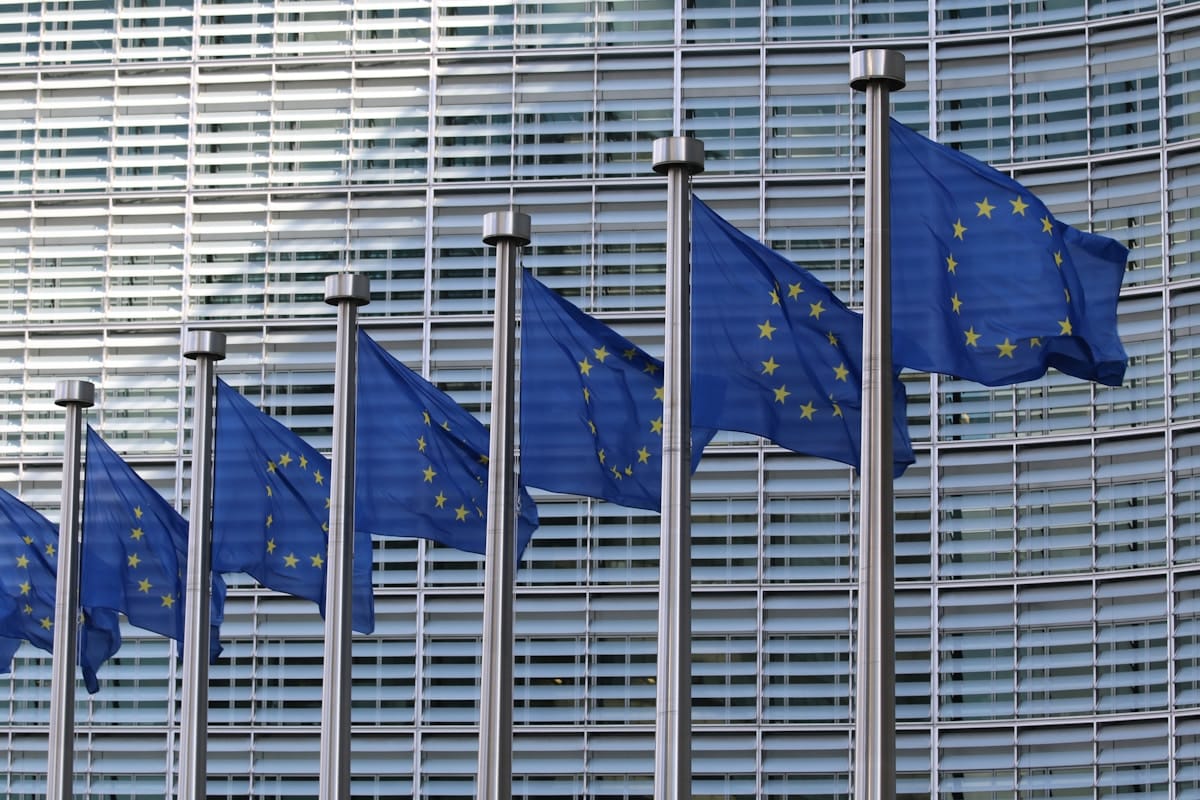
Researchers connected to Portugal have secured around €10 million in the latest round of Advanced Grants from the European Research Council, the European Union's flagship scheme for funding the work of established, world-leading scientists.
The Conselho Europeu de Investigação (European Research Council, or ERC) announced this week that it was awarding €838 million in total to 319 researchers across Europe, money drawn from Horizon Europe, the EU's main research and innovation programme. The Portuguese share is divided between two scientists based at institutions in Portugal and two Portuguese researchers working abroad — together accounting for the roughly €10 million flowing to Portuguese science.
Advanced Grants are aimed at senior researchers with a substantial track record, and are among the most competitive awards in European science. They sit alongside the ERC's other instruments — Starting Grants for early-career researchers, Consolidator Grants for those building independent teams, Synergy Grants for collaborative projects and Proof of Concept funding — and are widely treated as a marker of scientific prestige for both the individuals and the institutions that host them.
The funded projects span strikingly different fields. Among them are an effort to design computer chips inspired by the architecture of the brain; research into jaundice as a possible natural defence mechanism against malaria; a historical study of how companies have managed risk; and work on extending female reproductive longevity. The breadth illustrates the ERC's deliberately open-ended approach, which lets researchers pursue fundamental questions rather than projects tied to a fixed industrial or policy goal.
For Portugal, the awards are a welcome signal at a moment when the country is trying to lift its research output and hold on to scientific talent. Portuguese universities and research centres have steadily expanded their international footprint, but they continue to compete for funding and personnel against far larger and better-resourced systems elsewhere in Europe. Each ERC grant brings not only money but also the standing that helps attract postdoctoral researchers and partners from abroad.
The presence of Portuguese grantees working outside the country also points to a familiar double edge. Their success abroad reflects well on the training they received, but it underlines the long-running challenge of the fuga de cérebros — the brain drain that has seen many of Portugal's most promising scientists build their careers in better-funded laboratories in other member states.
Membership of the EU's research framework gives Portuguese institutions access to precisely this kind of pan-European competition, where success is measured against the continent's strongest applicants. This week's results suggest that, in at least a handful of fields, researchers with Portuguese ties can hold their own at the very top of that contest — and bring substantial European funding home in the process.