Portuguese Music and Fado: A Cultural Guide for Newcomers in 2026
Portugal’s musical identity runs far deeper than tourist-friendly fado shows in Alfama. From the UNESCO-inscribed art form of fado to explosive hip-hop scenes and one of Europe’s best electronic music festivals, Portuguese music rewards...
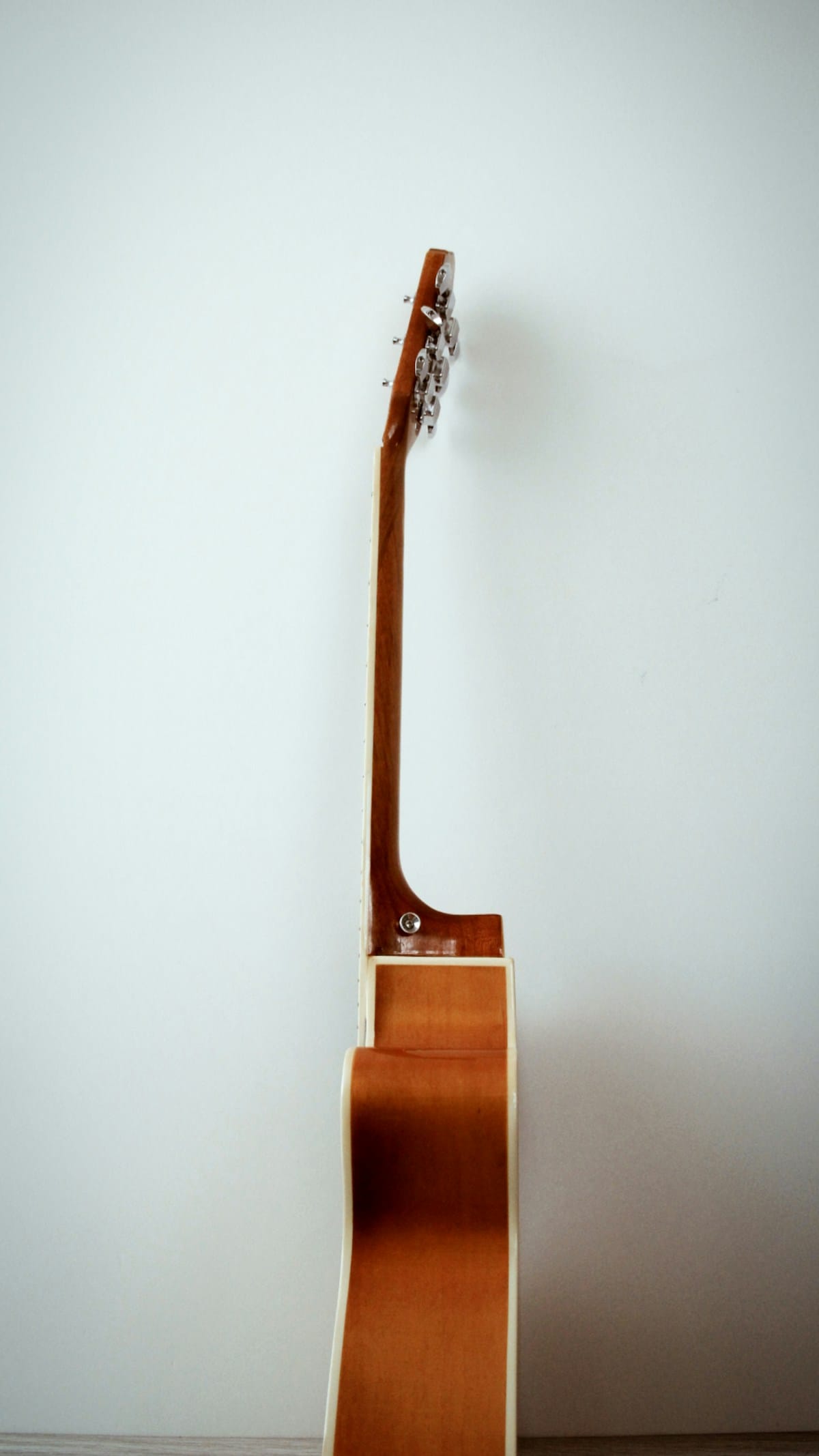
Portugal’s musical identity runs far deeper than tourist-friendly fado shows in Alfama. From the UNESCO-inscribed art form of fado to explosive hip-hop scenes and one of Europe’s best electronic music festivals, Portuguese music rewards those willing to listen beyond the surface.
Fado: The Soul of Portugal
Fado (from the Latin fatum, meaning fate) emerged in Lisbon’s working-class neighbourhoods in the early 19th century. Its emotional core is saudade — a uniquely Portuguese concept of longing for something lost or unattainable. UNESCO inscribed fado on its Intangible Cultural Heritage list in 2011.
The instrumentation is deceptively simple: one voice, one Portuguese guitar (guitarra portuguesa — a 12-string pear-shaped instrument unique to Portugal), and one classical guitar (viola). Everything serves the voice. In traditional casas de fado, audiences observe near-complete silence during performances — this is not a request but a deeply held cultural expectation.
Lisbon Fado vs Coimbra Fado
Two distinct traditions exist. Lisbon fado is the more widely known form: emotionally intense, performed by both men and women, traditionally in casas de fado in Alfama, Mouraria, and Madragoa. The great Amália Rodrigues (1920–1999) brought Lisbon fado to international audiences, and her influence remains inescapable.
Coimbra fado is an academic tradition, historically performed only by male university students wearing traditional black capes (capa e batina). It tends toward the lyrical and poetic rather than the raw emotional intensity of Lisbon fado. Performances happen outdoors, often on the steps of the Sé Velha cathedral or in university courtyards. The audience applauds by clearing their throat (tossir) rather than clapping — a tradition worth knowing to avoid cultural confusion.
Contemporary Fado
Mariza, Ana Moura, and Carminho represent modern fado’s evolution — respecting the form while incorporating jazz, world music, and contemporary arrangements. Gisela João has brought a rawer, more visceral energy to the younger generation. Camané and António Zambujo are essential male voices.
Where to Experience Fado
Lisbon
- Tasca do Chico (Bairro Alto) — Tiny, authentic, no-frills. Locals and tourists mix. Arrive early or don’t get in.
- Mesa de Frades (Alfama) — Intimate chapel setting, high-quality performers, reservations essential.
- Clube de Fado (Alfama) — More formal, dinner-and-show format, consistently excellent musicians.
- A Severa (Bairro Alto) — Named after the legendary Maria Severa, the first known fadista. Tourist-oriented but good quality.
- Avoid: Any casa de fado that actively solicits tourists on the street. The best venues don’t need to.
Coimbra
- à Capella — Set in a 14th-century chapel, atmospheric performances most evenings.
- Fado ao Centro — Daily afternoon shows with English explanation — excellent for newcomers.
Porto
- Casa da Guitarra — Daily shows near Ribeira, intimate setting.
- Ideal Clube de Fado — Dinner shows with quality performers.
Beyond Fado: Portugal’s Musical Landscape
Portuguese Hip-Hop and Rap
Portugal has one of Europe’s most vibrant hip-hop scenes, rooted in the bairros (housing estates) of Lisbon’s periphery, particularly Amadora and Almada. Sam the Kid is considered the godfather of Portuguese hip-hop. Slow J, Dino D’Santiago, and Capicua (from Porto) blend rap with African rhythms, electronic production, and social commentary. ProfJam and T-Rex represent the newer wave.
Much of this scene draws on Portugal’s African diaspora connections, particularly Cape Verdean, Angolan, and Mozambican communities. The result is a sound unlike anything in American or French hip-hop.
Música Popular Portuguesa (MPP)
The post-1974 revolution created a golden age of politically engaged folk music. Zeca Afonso wrote “Grândola, Vila Morena” — the song broadcast on the radio as the signal to begin the Carnation Revolution on 25 April 1974. It remains the most politically significant song in Portuguese history and is sung spontaneously at demonstrations to this day. Other essential MPP artists: José Mário Branco, Sérgio Godinho, and Fausto.
Electronic Music and Festivals
Portugal punches well above its weight in electronic music:
- NOS Alive (Lisbon, July) — Portugal’s largest international music festival, comparable to Primavera Sound. Major international acts plus Portuguese talent.
- Boom Festival (Idanha-a-Nova, biennial) — One of the world’s premier psychedelic/electronic festivals, held at a lake in the Alentejo interior. Strong sustainability ethos.
- Super Bock Super Rock (Lisbon) — Rock-focused but increasingly eclectic.
- MEO Sudoeste (Zambujeira do Mar, Alentejo coast) — Beach festival, younger crowd, mix of electronic and pop.
- Lisbon club scene: Lux Frágil (co-owned by actor John Malkovich) remains Lisbon’s most iconic club. Village Underground and Musicbox are excellent mid-size venues.
African-influenced Music
Portugal’s colonial history created deep musical connections with lusophone Africa. Kizomba and semba from Angola, morna and funaná from Cape Verde, and kuduro (Angolan electronic dance music) all have significant followings in Portugal, particularly in Lisbon. Buraka Som Sistema brought kuduro-influenced electronic music to international audiences in the 2000s.
Classical and Sacred Music
Portugal’s classical tradition is smaller than Spain’s or Italy’s but notable. The Gulbenkian Orchestra in Lisbon is world-class. The Casa da Música in Porto (designed by Rem Koolhaas) hosts everything from classical to experimental. Church music traditions persist, particularly around Easter in the north.
Live Music Practical Tips
- Fado timing: Shows typically start at 9pm or later. Dinner service begins 8–8:30pm.
- Costs: Tourist-focused casas de fado charge €30–70 per person including dinner. Tasca-style venues may have a €5–15 minimum consumption only.
- Etiquette: No talking during fado performance. No phone use. Applaud between songs, not during.
- Festival tickets: Book early — NOS Alive and Boom sell out months in advance. Early-bird pricing is significantly cheaper.
- Free music: Lisbon’s Festas de Lisboa (June) features free outdoor concerts throughout the city. Santos Populares street parties have spontaneous music everywhere.
- Streaming: Search Spotify for “Portuguese Music” or “Fado Essentials” playlists to familiarise yourself before arriving.
Building Your Portuguese Music Foundation
Essential listening for newcomers:
- Amália Rodrigues — The Art of Amália (the starting point)
- Mariza — Fado em Mim (modern fado at its best)
- Madredeus — O Espírito da Paz (the sound of 1990s Lisbon)
- Dino D’Santiago — Mundu Nôbu (Afro-Portuguese future)
- Slow J — The Art ofSjamming (Portuguese R&B/hip-hop)
- Zeca Afonso — Grândola, Vila Morena (the revolution in a song)
Music is one of the fastest ways to connect with Portuguese culture. Learn a few fado lyrics, attend a Santos Populares festa, or simply sit in a tasca where someone starts singing spontaneously — and you’ll understand Portugal in a way no guidebook can teach. For foreign residents on the practical telecoms side, our 2026 guide to Portugal's mobile network operators — MEO, NOS, Vodafone, the ANACOM substrate, 5G coverage and the number-portability process sets the latest reference.