Portuguese Goods Exports Tumble 6.4% in the First Quarter as Imports Climb 2.6% — INE's Wednesday Release Catches a Worsening External Balance With the TTE Adjustment Hiding the Real Trend
INE's first-quarter international-trade release on Wednesday catches Portuguese goods exports falling 6.4% year-on-year while imports climb 2.6%, widening the trade deficit and confirming a more serious external slide than Q4 showed.
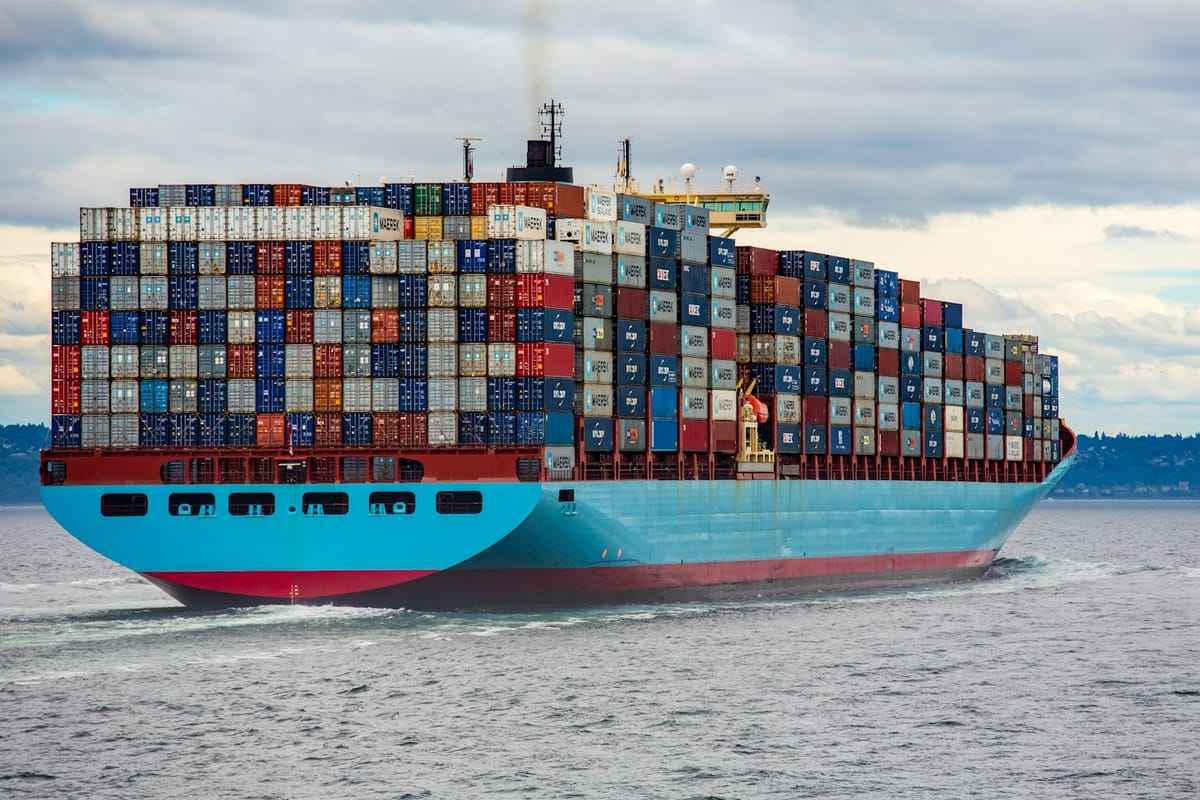
The Instituto Nacional de Estatística released its first-quarter international-trade snapshot on Wednesday afternoon, and the numbers point to an external balance that is deteriorating faster than forecasters had assumed at the start of the year. Goods exports fell 6.4% year-on-year between January and March 2026, while goods imports rose 2.6% over the same window — a combination that mechanically widens Portugal's already-negative trade balance and adds another drag on the country's near-term GDP outlook.
The Q1 reading is materially worse than Q4 2025, when exports dropped 2.8% and imports also declined, by 4.2%. That earlier symmetry kept the trade deficit roughly stable. The new release breaks that symmetry: exports are decelerating sharply at the same time that imports are accelerating, opening a wider negative wedge in the national accounts.
The TTE Adjustment That Changes the Picture
The headline numbers come with a footnote that matters. INE publishes a parallel series excluding TTE flows — "trabalhos por encomenda sem transferência de propriedade," or contract manufacturing where ownership of the goods does not actually change hands. Stripping out TTE, exports rose 1.1% and imports rose 4.2%. The contrast is large enough that economists at Banco de Portugal and at private-sector houses have repeatedly flagged the headline exports series as a poor signal of underlying competitiveness.
What the gap really tells you is that the largest TTE corridor — the auto-assembly nexus between Volkswagen Autoeuropa, Stellantis Mangualde and the German parent groups — saw a sharp drop in cross-border processing flows in Q1. That captures genuine industrial activity, but it also captures intra-group accounting decisions that can swing twenty-percent figures from one quarter to the next without saying very much about the broader Portuguese export base.
The Imports Story Is Cleaner
The imports number is harder to dismiss. Imports excluding TTE accelerated to a 4.2% pace, faster than the 2.6% headline. That points to genuine domestic demand — for capital goods, for energy, and for consumer products — running ahead of what the export base can finance, the classic recipe for a widening deficit even when the headline export number is distorted by contract-manufacturing accounting.
What's Driving the Underlying Slide
Three forces are pulling at the same time. First, the US tariff regime introduced in the spring of 2025 has bitten harder into Portuguese sectors that route through Spain and France — wine, cork, footwear — than the headline numbers show. Second, German industrial demand, which sets the rhythm for Portuguese intermediate-goods producers, has remained sluggish through Q1 2026. Third, the energy-import bill is being lifted by the Middle East price overhang that von der Leyen described in Brussels this week as costing Europe "€500 million daily" — Portugal carries an outsized share of that bill given its dependence on imported gas and oil products.
Why It Matters for the Bigger Picture
Trade balance is one of the four expenditure components of GDP. A widening deficit acts as a direct subtraction from headline growth, even when the rest of the economy is doing well. Banco de Portugal's most recent Boletim Económico, published in March, already flagged net exports as the weakest contributor to the 2026 outlook. The Q1 release is the first hard data confirming that warning.
What This Means for Residents
- Currency dynamics: A widening trade deficit puts mild downward pressure on the euro relative to the dollar, magnifying the squeeze for residents and expats holding euro-denominated incomes against dollar-denominated obligations.
- GDP forecast risk: The OE 2026 was built on a 2.2% growth assumption. A persistently weak external account could force a downward revision before year-end, with knock-on consequences for tax receipts and public-spending headroom.
- Sector exposure: If you work in autos, cork, wine, footwear or textiles — sectors that rely on US and German demand — the Q1 numbers point to a tougher revenue environment heading into the summer.
- Energy bills: The import-side acceleration is partly an energy story. Households on indexed contracts may see the imported-fuels component nudge bills higher into the second quarter.