Portugal's Sardine Campaign Reopens 4 May 2026 After Five-Month Closure — Diário da República's 22 April Despacho Locks a 33,446-Tonne National Quota and Per-Vessel Daily Caps Through the 1 June Step-Up
Portugal's sardine fishery reopened at midnight on Monday, 4 May 2026 after a 152-day closure. A Diário da República despacho dated 22 April sets a 33,446-tonne national quota — 960 tonnes below the 2025 ceiling — and locks per-vessel daily caps for the May campaign with a small step-up from 1 June.
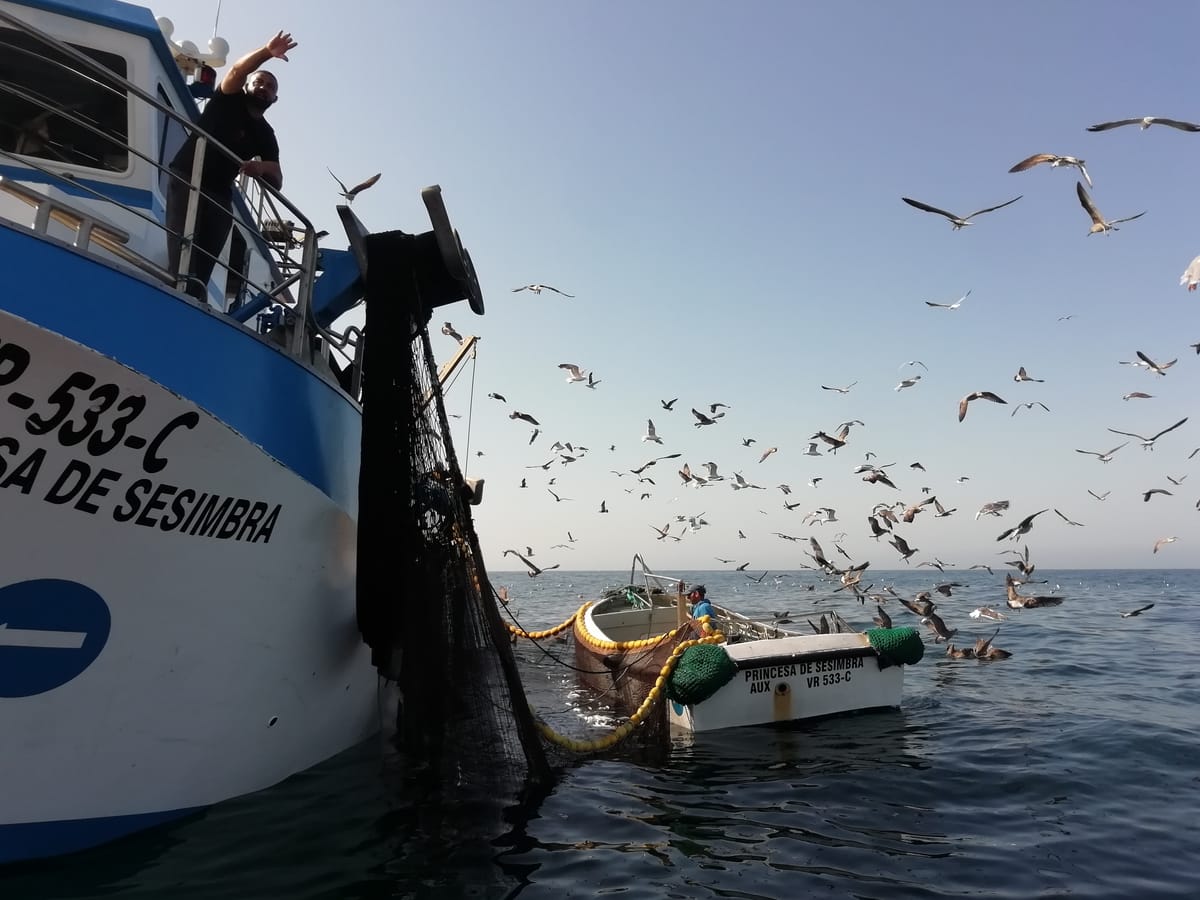
The Portuguese sardine fishery reopened at midnight on Monday, 4 May 2026 after a closure of just under five months, with the Ministério da Agricultura e Mar confirming to Lusa a national catch quota of 33,446 tonnes for the rest of the year. The reopening was marked at the quayside by Minister José Manuel Fernandes, who joined the fleet's departure and framed the lower 2026 ceiling as the price of a sustainable joint stock.
The campaign had been closed on 3 December 2025 to protect the spawning biomass, and the regulatory framework that now governs the reopening was set out in a despacho published in the Diário da República on 22 April 2026. The despacho fixes the periods during which sardine cannot be captured, landed or sold, and sets the per-vessel daily limits that will run through the May campaign and the small step-up that takes effect at 00:00 on 1 June.
The 33,446-Tonne Ceiling Is 960 Tonnes Below 2025
This year's national quota is 960 tonnes lighter than the 2025 figure. Sardine in Iberian waters is a stock managed jointly by Portugal and Spain — the two countries split the total allowable catch agreed each year on the basis of advice from the International Council for the Exploration of the Sea (ICES) — and the ministry has framed the reduction as a sustainability decision rather than a production constraint. The 33,446-tonne figure is the headline ceiling the Portuguese frota has to fish to between today and the next closure window.
For producers, the practical question is not the headline number but how it gets metered out vessel by vessel. The despacho answers that with a stepped daily-capture table tied to a vessel's overall length.
Per-Vessel Daily Caps for the May Campaign
Through to 31 May, the daily cap structure published in the Diário da República runs as follows:
- Vessels with overall length up to and including 9 metres: 2,250 kg, or 100 cabazes per day.
- Vessels longer than 9 m and up to 16 m: 3,938 kg, or 175 cabazes per day.
- Vessels longer than 16 m: 6,750 kg, or 300 cabazes per day.
From 00:00 on 1 June 2026, the smaller and mid-size brackets get a modest uplift while the largest vessels stay flat:
- Up to 9 m: 2,700 kg / 120 cabazes per day.
- 9 m to 16 m: 4,725 kg / 210 cabazes per day.
- Over 16 m: 6,750 kg / 300 cabazes per day (unchanged).
The 1 June step is timed to the start of Portugal's high-demand window — the Santos Populares season opens with Santo António in Lisbon on 12-13 June and rolls into São João in Porto on 23-24 June, both of which run on grilled-sardine consumption that anchors the cultural calendar of the cities and pulls demand forward through the canning trade as well.
Holidays, Lota Rules and the One-Port-a-Day Constraint
The despacho also writes in three operational rules that matter for fleet logistics. National public holidays are blackout days: capture, on-board retention, landing and sale of sardine are all prohibited. Vessels cannot transfer sardine to a lota (the regulated auction market) other than the one corresponding to the port where the catch is landed — a rule designed to keep the lota system's price-setting and traceability intact. And a single vessel cannot land at more than one port on the same day, closing off the workaround of running the daily cap down at one quayside and topping up at another.
What Today's Reopening Means for Prices and the Cabaz
The reopening lands in a market that has been running noticeably hotter on fish than on most other supermarket categories. DECO PROteste's cabaz alimentar closed April at €258.52 — €19.10 above the same week of 2025 — with fish among the components that have moved fastest year-to-date. The lower 2026 sardine ceiling, combined with the per-vessel daily cap that holds through May before the 1 June step, will channel a tighter early-season supply into a high-demand June, which fishermen and canning-industry buyers have already flagged as a price-pressure setup.
For the fleet itself, the early-May reopening with a reduced quota is a familiar pattern: the joint-management mechanism with Spain has, over the past decade, replaced what used to be sharper boom-and-bust cycles with a more controlled annual rhythm. The stock has recovered enough to support a meaningful fishing year, but Portuguese skippers heading out from Matosinhos, Peniche, Sesimbra, Olhão and the Algarve ports today know they are working a smaller cake. The Diário da República despacho — and the daily cap tables it carries — is the rulebook they will be reading until the next closure window opens. On the MSC Fishing for the Future report, IPMA-ICES sardine stock, Portuguese cerco fleet and conserveira export-tape side of the file, our 9 June read on the MSC Fishing for the Future 2026 report logging a fourfold Iberian sardine stock recovery since 2015 — Sardina pilchardus spawning-stock biomass back inside the precautionary range against the 1978-onward IPMA series (117,000 t 2015 trough, 1.2 Mt 1984 peak), Manuel Barange's FAO foreword, the joint Portugal-Spain management plan, the 31,000-tonne 2025 TAC, the Mar2030 €390M operational envelope, and the Conservas Portugal €410M export tape across Setúbal, Matosinhos, Olhão and Peniche sets the latest reference.