Portugal's Housing 'Recovery': Signs of Hope or Political Spin?
Housing Minister Miguel Pinto Luz stood before Parliament on Wednesday and delivered a message that millions of Portuguese renters and aspiring homeowners have been waiting to hear: the crisis is easing. Rents are slowing. Supply is growing. The...

Housing Minister Miguel Pinto Luz stood before Parliament on Wednesday and delivered a message that millions of Portuguese renters and aspiring homeowners have been waiting to hear: the crisis is easing. Rents are slowing. Supply is growing. The market is recovering.
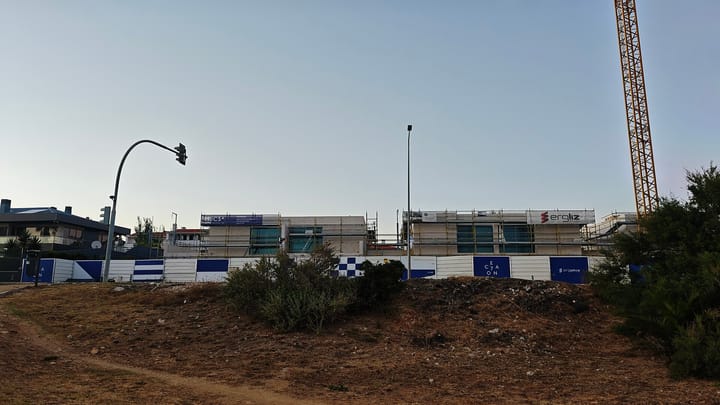
The numbers he cited are not invented. Rental growth in the Lisbon Metropolitan Area has indeed decelerated from 5 percent to 1 percent. In Porto, from 5 percent to 3 percent. Average asking rents fell nationally by 2 percent between 2024 and 2025. Construction investment climbed 5.5 percent last year, reaching 28 billion euros. Public works tenders hit a record 10 billion euros.
"More is being built, there are more houses to rent, and the Government is doing its part," the Minister told legislators.
But the story is more complicated than the headline suggests, and an opinion piece published in Publico on the same day laid bare the tension at the heart of Portugal's housing debate.
The Eviction Question
The government's latest housing package, approved on 12 March, includes measures to accelerate evictions for non-payment, unlock properties trapped in undivided inheritances, and create an emergency housing fund. Each addresses a real problem. But the public debate has fixated overwhelmingly on evictions.
The logic runs something like this: landlords are reluctant to rent because the legal system makes it too difficult to remove tenants who stop paying. Speed up evictions, and more properties will come to market.
There is some truth to this. Legal certainty matters. Landlords who fear being stuck with non-paying tenants for years do sometimes keep properties vacant or sell rather than rent. But the Publico analysis makes a crucial point: in a market defined by structural undersupply, faster evictions will not create new houses. They may shuffle the existing deck, but they do not add cards to it.
The Supply Gap
Edward Glaeser, the Harvard economist frequently cited in urban housing debates, has argued for decades that high housing costs are fundamentally a supply problem. When more people want to live in a city than the city has homes for, prices rise. The solution is not primarily about tenant law or landlord protections — it is about building more.
Portugal continues to lack a clear strategy for significantly expanding affordable housing supply, particularly for the middle class and younger generations. The government has transferred 75 state-owned properties to municipalities, but against the scale of the crisis, this is a rounding error.
What It Means for Residents
For the foreign residents and immigrants who now make up a significant share of Portugal's rental market, the picture is mixed. The rent slowdown is genuinely good news — particularly in Lisbon, where the pace of increases had become unsustainable. But the fundamental challenge of finding an affordable home in the metropolitan areas remains largely unchanged.
The banking sector, too, has weighed in, praising the government's public mortgage guarantee scheme but urging a more aggressive push on supply. Without new construction at scale, demand-side measures risk simply propping up prices at a slightly lower rate of increase.
Minister Pinto Luz is right that the data shows signs of improvement. But declaring a recovery while the structural deficit in housing supply remains unaddressed risks confusing deceleration with resolution. A market that is getting worse more slowly is not the same as a market that is getting better.
The real test of Portugal's housing policy will not be whether rents slow — they already have. It will be whether a young couple in Lisbon or Porto can realistically afford to rent, let alone buy, a decent home. On that measure, the recovery has barely begun.