Portugal's Essential Food Basket Hits a Record 254 Euros as Supermarkets Warn War-Driven Costs Will Reach Shelves in April
The cost of a standard basket of 63 essential grocery items in Portugal reached 254.40 euros this week, according to data published on Thursday by the consumer protection organisation Deco Proteste. It is the highest figure since the organisation...
The cost of a standard basket of 63 essential grocery items in Portugal reached 254.40 euros this week, according to data published on Thursday by the consumer protection organisation Deco Proteste. It is the highest figure since the organisation began tracking the basket in January 2022, and it marks the third consecutive week of increases driven primarily by rising transport and logistics costs linked to the Middle East conflict.
The increase from the previous week was modest in absolute terms, just eight cents. But the trajectory matters more than the increment. Since the start of 2026, the same basket has risen by 12.57 euros, a 5.2 percent increase in under three months. Compared with this time last year, consumers are paying 17.46 euros more for the same products, a difference of 7.4 percent.
What Is Getting More Expensive
The weekly Deco Proteste survey tracks prices across Portugal's major supermarket chains, comparing a fixed list of branded and own-label products.
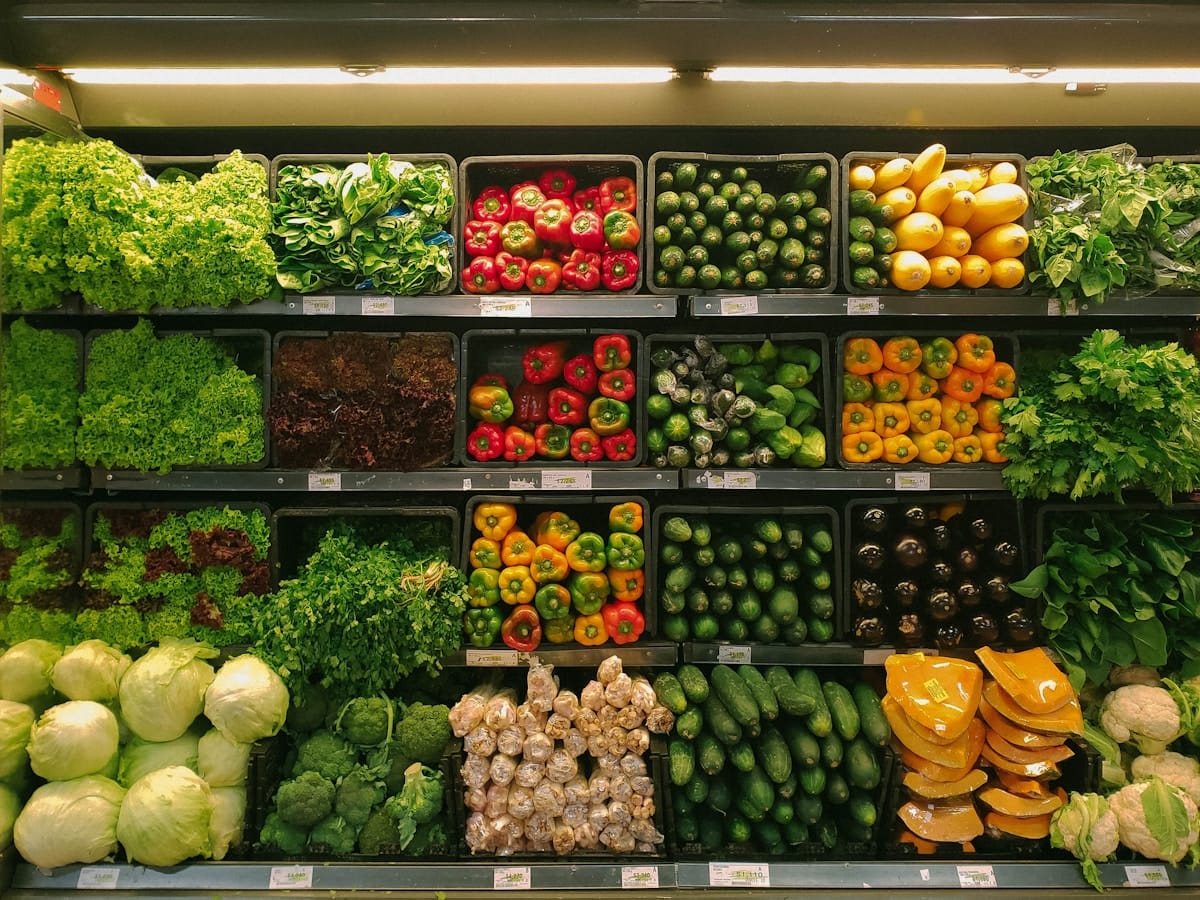
The biggest price movements in the week of 18 to 25 March were in fresh produce. Courgettes jumped 17 percent to 2.75 euros, plum tomatoes rose 15 percent to 2.60 euros, and onions climbed 10 percent to 1.42 euros. Fresh vegetables are among the most volatile categories because they depend heavily on transport, which has been directly affected by consecutive fuel price increases since the conflict escalated.
Looking at the year-on-year comparison, the sharpest increases have hit items with complex supply chains. Heart cabbage is up 53 percent to 1.87 euros per kilogram. Ground roasted coffee has risen 39 percent to 5.15 euros, reflecting sustained global coffee commodity inflation. Sea bass has also climbed 39 percent to 9.81 euros per kilogram.
Since the tracker launched in early 2022, the cumulative picture is stark. The same 63 products that cost 187.70 euros four years ago now cost 254.40 euros, a difference of 66.70 euros or 35.5 percent. The three items with the largest cumulative increases are stewing beef (up 122 percent to 12.89 euros per kilogram), heart cabbage (up 88 percent), and eggs (up 84 percent to 2.10 euros for a half-dozen).
Supermarkets Are Absorbing Costs, For Now
One of the more significant findings this week came not from the price data itself but from the retail sector's response. The Portuguese Association of Distribution Companies, known as APED, said its members have so far been absorbing the increased logistics costs driven by fuel prices rather than passing them directly to consumers.
That buffer appears to be running out. APED warned that it is "natural" for the higher costs to begin appearing on shelves from April, as the cumulative effect of weeks of elevated diesel prices works through supply contracts and distribution networks. The association, together with the Confederation of Portuguese Farmers, has called on the government to introduce a more substantial support package to prevent a competitiveness gap with Spain, where the government has implemented a 30-cent fuel tax cut.
What This Means for Household Budgets
For a household doing a weekly shop, the 12.57-euro increase since January translates to roughly 50 euros more per month on essentials alone. Combined with higher fuel costs and elevated mortgage payments, the squeeze on middle-income households is becoming more acute.
The government's response to rising living costs has so far focused on energy-specific measures. This week saw the relaunch of the Botija Solidária gas subsidy programme with a temporarily boosted payment of 25 euros per cylinder, and the Finance Minister has pointed to the record 2025 budget surplus as evidence that the state has fiscal room to respond. But direct food price intervention remains off the table, with the government preferring to address the issue through fuel tax adjustments rather than retail price controls.
For expats and foreign residents, the food price trend is worth monitoring closely. Portugal's grocery costs have historically been a selling point for those relocating from Northern Europe or the United States. While prices remain below those in France, Germany, or Scandinavia, the gap has narrowed considerably. The 35.5 percent cumulative increase since 2022 has eroded what was once a significant cost-of-living advantage, particularly for retirees on fixed pension income.
The coming weeks will be telling. If APED's warning materialises and supermarkets begin passing through logistics costs in April, the weekly basket figure could accelerate beyond its current pace. The Bank of Portugal's recent downgrade of the 2026 growth forecast already factors in some inflationary pressure, but a sustained food price rally would add a consumer-facing dimension to what has so far been largely an energy and fiscal story.
Sources: ECO, Deco Proteste weekly basket survey (Mar 26, 2026), Renascença


