Portugal's Deco Proteste Food Basket Crosses €260 for the First Time — Seventh Straight Weekly Rise and a 39% Jump Since 2022 Baseline
Portugal’s benchmark weekly cabaz alimentar — the 63-product basket that consumer association Deco Proteste has tracked since January 2022 — crossed €260 for the first time in the week of 15–22 April, reaching...
Portugal’s benchmark weekly cabaz alimentar — the 63-product basket that consumer association Deco Proteste has tracked since January 2022 — crossed €260 for the first time in the week of 15–22 April, reaching €260.89. That is €1.37 up on the previous week’s €259.52 and marks the seventh consecutive weekly increase. Compared with the same week in 2025, the basket is €22.16 more expensive — a 9.3% year-on-year rise well ahead of the March headline inflation print of 2.7%. Against the January 2022 baseline, cumulative growth is now €73.19, or 39%.
What is in the basket, and what jumped this week
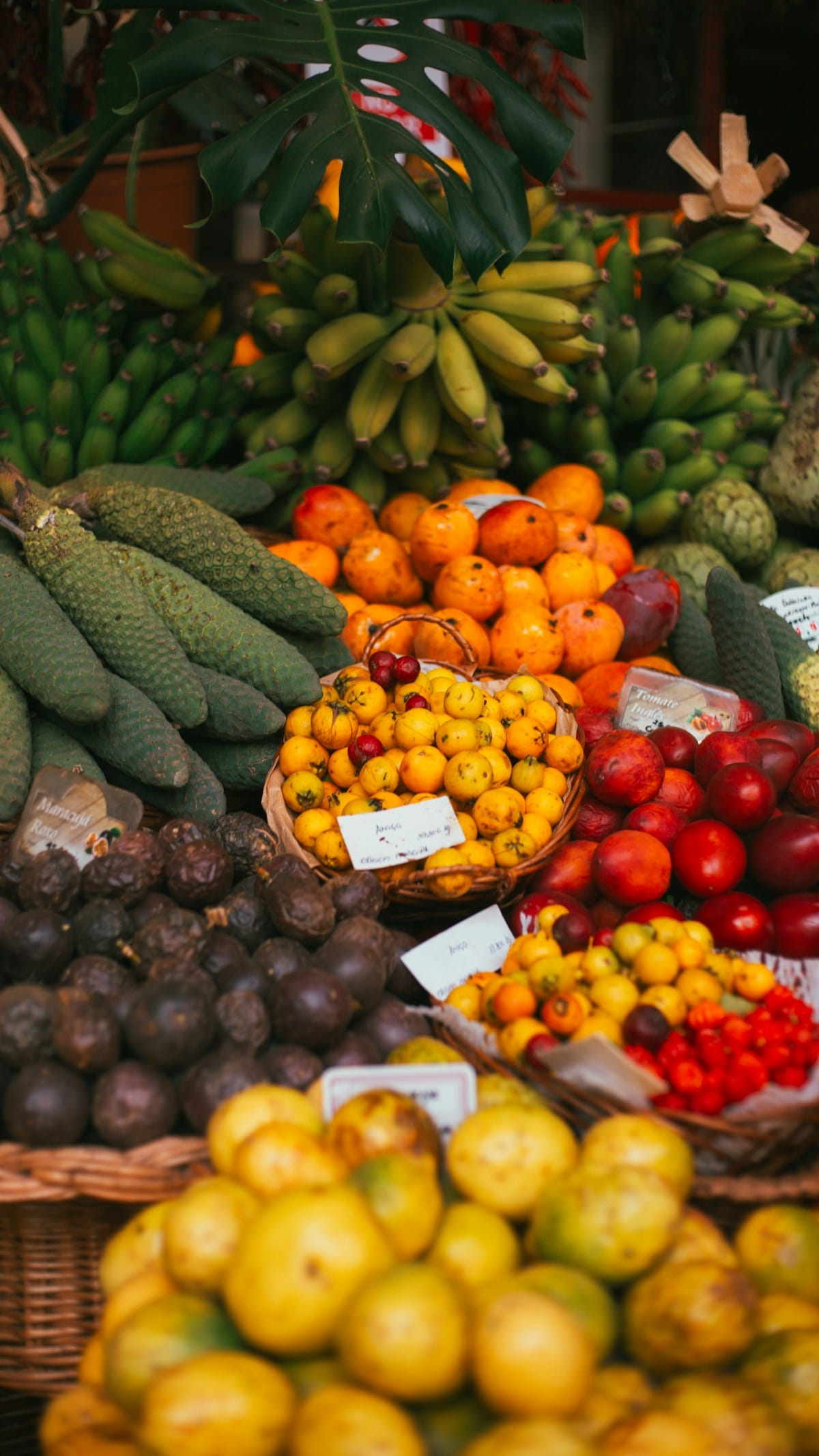
Deco Proteste tracks 63 essential items spanning proteins (turkey, chicken, jack mackerel, hake, cured ham), produce (onion, potato, carrot, banana, apple, orange), pantry staples (rice, pasta, sugar) and dairy (milk, cheese, butter). It is deliberately the kind of shop a Portuguese household would actually do — not a curated inflation index. The three biggest week-on-week movers in the 15–22 April reading were:
- Cereal flakes: €2.78 a box, up 19%
- Ground roasted coffee: €5.28 per kilo, up 16%
- Fish fingers: €5.86 a pack, up 13%
Coffee is the most macroeconomically significant of the three — global arabica futures are hovering at multi-decade highs after a second successive Brazilian drought year, and Portugal imports almost all of its roasting stock. That pass-through is now showing up weekly in Portuguese supermarket price tags. Cereal flakes are a category watchers already flagged earlier in the quarter, when wheat-and-sugar breakfast SKUs began re-pricing after suppliers passed on a full year of higher input costs at once.
How this squares with the official inflation number
Portugal’s March consumer-price print from INE came in at 2.7% year-on-year, an eight-month high driven almost entirely by a 5.8% jump in energy prices. Unprocessed food, in the same release, came in at 6.4% — high, but cooler than earlier in the winter. The Deco Proteste basket is running well above both: its 9.3% YoY reading captures the reality of a lower-income household shop, which is weighted much more toward the categories where euro-denominated price rises are largest. A basket loaded with fresh protein, staple carbs and dairy is, by design, more exposed to food-price inflation than the broader CPI, which also includes housing, clothing, education and transport.
Why it matters for expats living in Portugal
The €260 threshold is psychological more than statistical, but it is a useful reference point. A single-person grocery shop in Portugal is not the Deco basket — the association explicitly designs the basket to feed a representative Portuguese household — but the weekly movers in the basket are the same SKUs on the shelves at Pingo Doce, Continente and Lidl. If you moved to Portugal on the assumption that supermarket spending would be meaningfully cheaper than Germany, the Netherlands or the United Kingdom, the 39% cumulative rise since January 2022 is the number to internalise. Portuguese food prices have converged upward toward northern-European levels faster than wages have grown, and the gap between headline inflation (2.7%) and actual supermarket inflation (9.3% in this basket) is the structural reason households say they feel worse off than the data supposedly shows.
What to watch next
Three indicators matter over the coming weeks. First, whether the coffee pass-through continues — ground coffee rose 16% in a single week, which is extreme and usually unwinds partially in the next reading. Second, whether fresh produce starts turning. Onion, potato and carrot are all below their winter peaks, and a good domestic spring could take the edge off the headline basket. Third, how the Bank of Portugal’s inflation forecast evolves: the IMF now sees full-year 2026 Portuguese inflation at 3.1%, up from the Orçamento do Estado’s assumption of 2.1%. If Deco’s weekly basket keeps printing 9%-plus, the IMF number becomes the floor, not the ceiling.
The bottom line
The cabaz alimentar has now crossed an even number that will dominate Portuguese kitchen-table conversation for the next seven days. The policy question is whether the government will answer with any of the tools it has used before — the IVA-zero basket, the Mercadona/Pingo Doce price-ceiling monitoring, or a new round of targeted transfers for lowest-income households. None of those are currently on the table in public. The household arithmetic, meanwhile, is straightforward: one more euro this week, on top of twenty-two more euros than a year ago, on top of seventy-three more euros than in January 2022. The shop is not getting cheaper. On the consumer-staples / Portuguese retail rail, our 20 May Sonae read — net income +11% in Q1 2026 with Continente turnover crossing €1.7 billion through March on the Easter-calendar lift and a stepped-up promotional cycle, plus the Sierra-Crédito Agrícola vehicle taking 40% of ArrábidaShopping and GaiaShopping in Vila Nova de Gaia sets the latest reference.