Portugal Secures a Codfish Carve-Out as the EU Softens Its 21st Russia Sanctions Package
Portugal has won a reprieve for its national dish. The European Union's proposed 21st package of sanctions against Russia originally sought a complete ban on imports of Russian cod — the fish that Portugal salts and cures into bacalhau (salted...
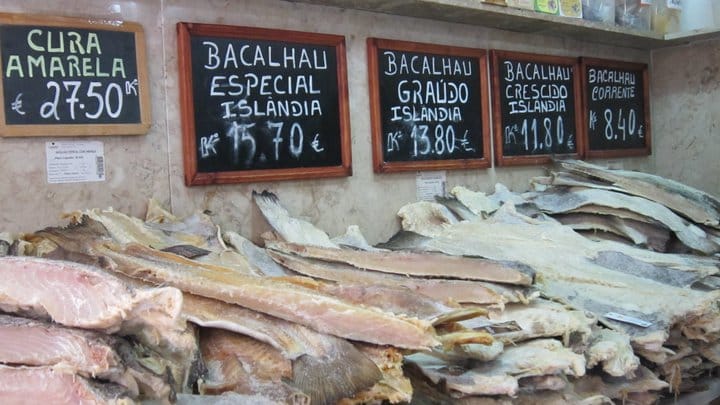
Portugal has won a reprieve for its national dish. The European Union's proposed 21st package of sanctions against Russia originally sought a complete ban on imports of Russian cod — the fish that Portugal salts and cures into bacalhau (salted codfish) — but the measure was dropped after pushback from Lisbon, according to Expresso and other European outlets.
Portugal was not alone in carving out an exception for its fishing and processing interests. Diplomats report that Germany secured a similar break for haddock and Poland for pollock, with each government defending a species central to its own supply chains. Portugal's target was cod, and it got it.
Why cod is a national interest
Few countries would treat a fish import as a matter of statecraft, but bacalhau is woven into Portuguese identity. It is the centrepiece of Christmas tables, the subject of the saying that there are more than 365 ways to cook it, and affectionately known as the fiel amigo (faithful friend). Portugal is among the world's heaviest consumers of cod per head, yet it catches very little of it — the vast bulk is imported and then salt-cured at home.
Most of that raw cod comes from Norway and Iceland, but Russia has remained a supplier of the white fish that Portuguese firms process, particularly at the cheaper end of the market. Industry voices had warned that an outright ban risked tightening supply and pushing up prices for the more affordable grades that many families rely on, at a moment when the cost of the festive table is already a sensitive subject.
A package still unfinished
The codfish carve-out is only one of several dilutions that have slowed the sanctions package. As of mid-July the EU had still not reached agreement on the 21st round, with member states haggling over its scope. France, Italy and Greece pressed to narrow restrictions targeting Russian military personnel, while Greece succeeded in cutting the duration of an oil-price measure from six months to three.
Brussels had billed the package as a fresh clampdown on Russian energy, defence trade and fisheries. What is emerging instead is a more negotiated document, softened at the edges as capitals defend their own economic sensitivities — Portugal's being, in this case, the humble salt cod stacked in every grocer's window.
For Portuguese shoppers, the immediate effect is simply that nothing changes: the supply of bacalhau is not about to be squeezed by Brussels. But the episode is a reminder of how a country's cultural staples can shape its diplomacy, even in a package aimed squarely at the war in Ukraine.