Portugal Lands €81 Million Across Six Centres in the Latest Horizon Europe Teaming Round — 30% of the European Pot, Spread From Lisbon and Oeiras to the North, Centro, Alentejo and the Algarve
Portugal won €81 million across six new centres of research excellence in the latest Horizon Europe Teaming for Excellence round — about 30% of the European pot. Projects span Lisbon, Oeiras, Norte, Centro, Alentejo and the Algarve.
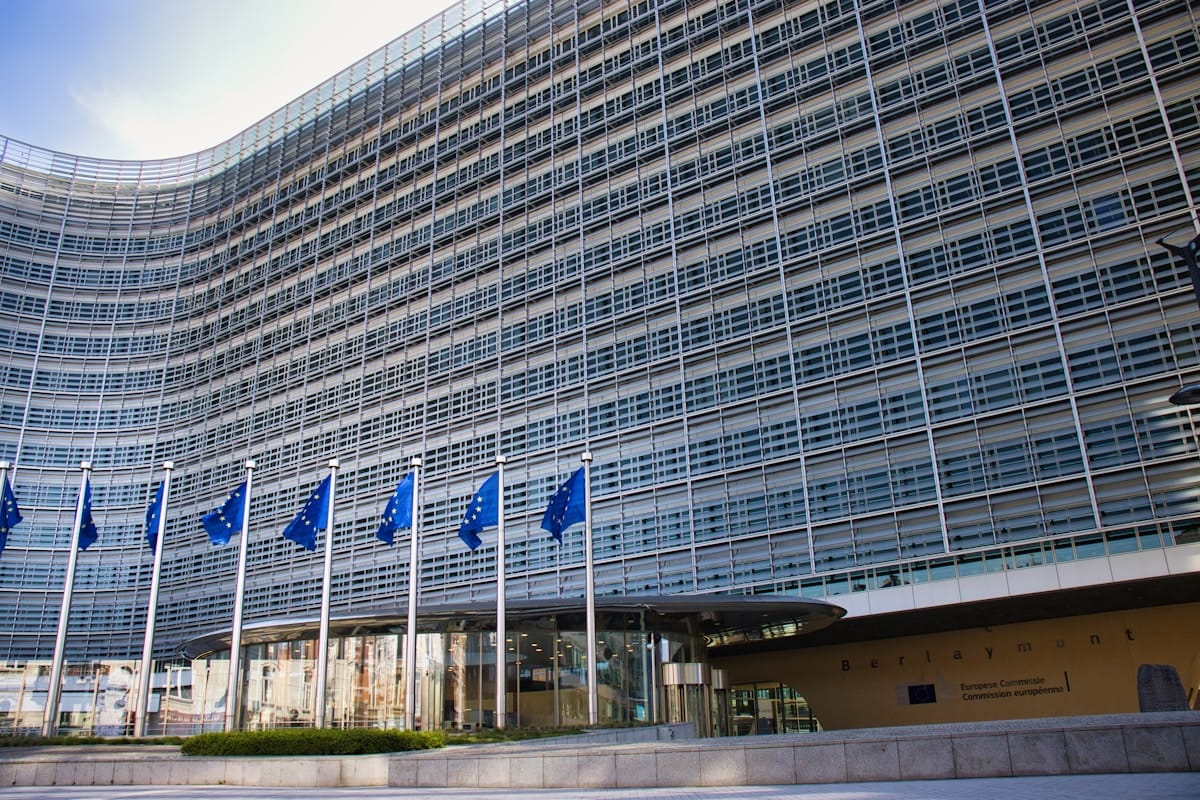
Portugal walked away from the latest edition of the European Commission's Teaming for Excellence competition with €81 million spread across six new or modernised centres of research excellence — a haul that, by the publication's reading, accounts for around 30 per cent of the total European envelope in this round of the Horizon Europe widening pillar. The result was reported on Friday, 25 April 2026, by Público's science desk, and it is the largest single-day allocation Portuguese science has had from Brussels since the current Multiannual Financial Framework opened.
The Geography of the €81 Million
Six projects were retained: two in the Lisboa e Vale do Tejo region, one in the Norte, one in the Centro, one in the Alentejo and one in the Algarve. The geographical balance is the headline that the Government and the FCT will want to amplify, because the standard criticism of European-research outcomes in Portugal — that they concentrate disproportionately in the Lisbon-Oeiras axis — does not hold for this notice. Every NUTS-II region with a research base picked up at least one of the six.
The flagship Lisbon-area project is the NOVA Institute for Medical Systems Biology, a Universidade Nova de Lisboa initiative built jointly with the Max Delbrück Center for Molecular Medicine in Berlin. The institute will be co-located next to the Instituto de Tecnologia Química e Biológica António Xavier in Oeiras, slotting straight into the Oeiras Valley life-sciences cluster. The other five centres are spread between basic research, applied biotech, marine sciences and computational platforms — a thematic mix that mirrors what the Widening Pillar is designed to do, which is to help member states with sub-EU-average research intensity build durable centres rather than financing one-off projects.
Why Teaming Matters More Than the Headline Number
Teaming for Excellence is a specific Horizon Europe instrument: a Widening country institution partners with a top-tier European host institution to build a long-term centre of excellence, with the European money buying around half the bill and the national government having to commit the rest. The numbers are smaller than ERC grants or thematic-cluster contracts, but the structural impact is larger. Each €13–15 million Teaming award in this round translates, with the matching national co-funding, into a centre that can run for seven to ten years.
That makes Portugal's €81 million the down-payment on something close to €160 million of operational research capacity once the national co-financing is added. For a country whose total annual gross domestic expenditure on R&D sits around 1.7 per cent of GDP — well below the EU 3 per cent target — this is an unusually durable form of incoming money.
The Widening Position Portugal Already Holds
Portugal entered the round as the most successful country in the Widening grouping. European Commission data updated to 24 January 2025 already had Portugal first among Widening states for Teaming for Excellence with around €50 million of EU co-financing previously awarded. The Friday allocation roughly doubles the cumulative position. Across the wider Horizon Europe programme, Portugal has captured around €1 billion across nearly 2,000 projects since the framework opened in 2021, on Comissão Europeia tallies published last summer.
The Catch That FCT Has to Solve
The structural caveat is that all of these centres need national matching co-funding to actually open their doors. The Fundação para a Ciência e a Tecnologia's evaluation of existing units of research has been running behind schedule for two years, and the next funding cycle is what determines whether the Teaming centres find their domestic envelope. The €81 million is committed; the €80-odd million Lisbon now has to match it is, on FCT's current trajectory, the part of the deal that has to clear Portuguese paperwork before the European money can actually move.