Portugal Endures Its Worst Fire Year Since 2017 as a Rural Movement Decries Political 'Abandonment'
Some 30,155 hectares have burned across Portugal by early July — the worst since 2017 and up about 70% on 2025 — with the fiercest blaze near Vouzela. A citizens' movement blames political neglect of the rural interior, while experts point to farmland abandonment and unmanaged fuel.
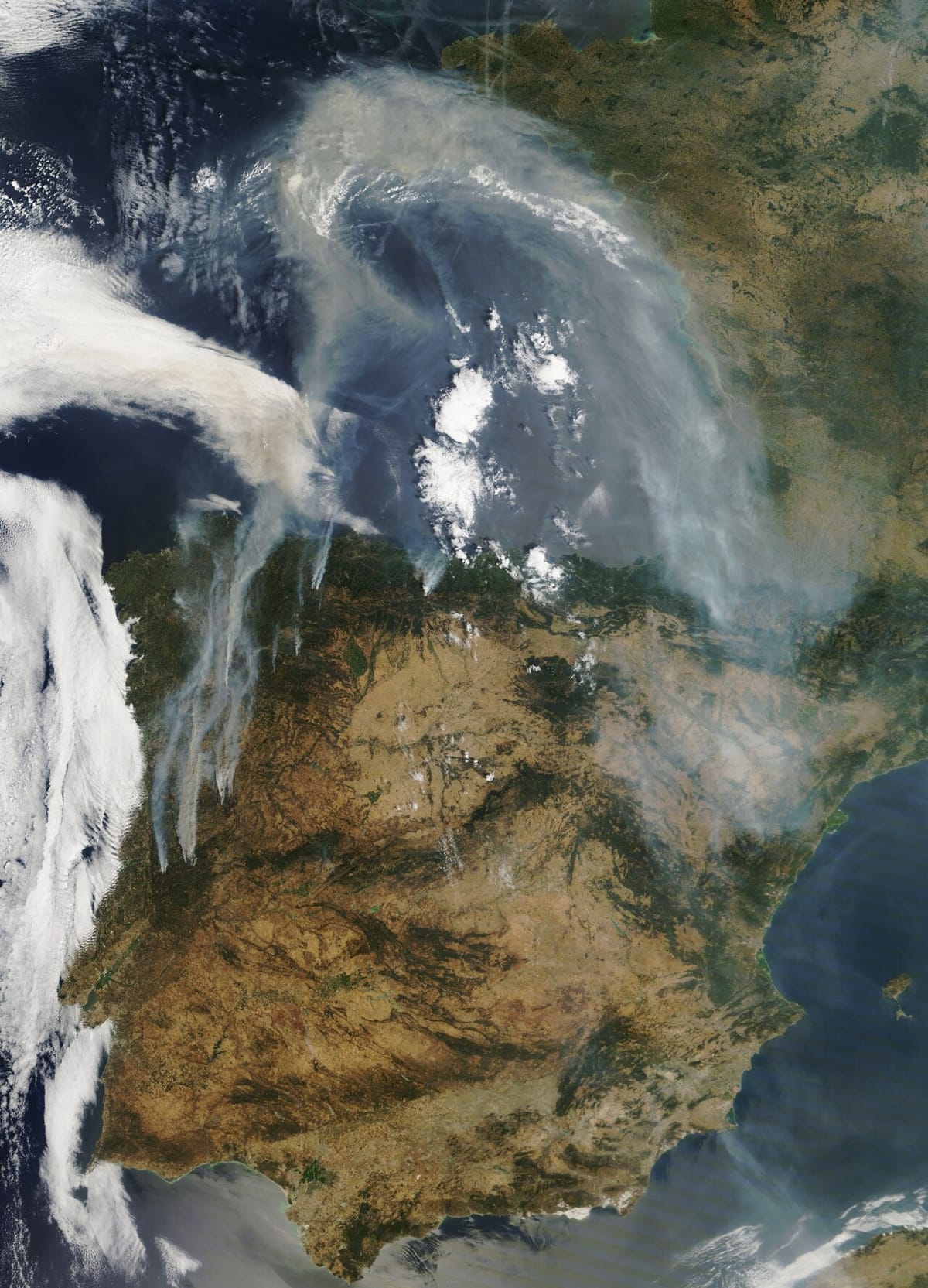
Portugal is on course for its worst wildfire year since the catastrophic season of 2017, and a citizens' movement is placing the blame squarely on political neglect. By early July, the country had already recorded some 4,592 rural fires and roughly 30,155 hectares burned — a total that has climbed about 70% above the same point in 2025 and outstrips every year since the fires that killed more than a hundred people eight years ago. More than 15,000 hectares went up in a single five-day stretch between 1 and 5 July, with the most serious blaze concentrated around Vouzela in the country's central interior.
The scale of the destruction, arriving amid a punishing heatwave, has reignited a familiar and bitter debate. A grassroots movement formed in 2022 to press for better fire prevention issued a blistering statement accusing the country's leadership of walking away from the rural interior. "Portugal was abandoned by its elites," the group declared, arguing that decades of political attention to the coastal cities have left the forested interior without the management it needs to stop small ignitions becoming infernos.
The problem beneath the flames
Fire specialists broadly agree on the diagnosis, even if the politics are contested. The core issue, they argue, is not firefighting but fuel: the steady abandonment of agriculture across the interior has left hillsides blanketed in unmanaged scrub and fast-growing eucalyptus, a continuous carpet of tinder that a single spark can turn into an unstoppable front. Add a warming climate that lengthens and intensifies the fire season, and Portugal's structural vulnerability is laid bare each summer. Reducing the vegetation load — through clearing, grazing, controlled burning and a return of active land use — is, experts insist, the decisive lever, and the one that successive governments have been slowest to pull.
Portugal has spent heavily on aerial firefighting fleets and civil-protection coordination since 2017, and the response capacity is far stronger than it was. But the movement's charge is that suppression treats the symptom while the disease — an empty, overgrown interior — goes untreated. The reforms that would change that, from land registries to incentives for farmers and foresters to stay on the land, are slow, unglamorous and politically thankless, and they rarely survive the winter that follows a bad fire summer.
What This Means for Residents
- Rural landowners have legal clearing duties. Portugal requires vegetation management around houses and along access roads; fines apply, and enforcement tends to tighten after severe fire seasons.
- The risk is structural, not freak. With farmland abandonment and a warming climate as the drivers, dangerous fire years are becoming the norm rather than the exception across the interior.
- Insurance and planning matter. Buyers of rural property should weigh wildfire exposure, access and defensible space when choosing a home away from the coast.
With the peak of summer still ahead, the immediate worry is the weather. But the movement's intervention is aimed at the longer game — forcing a conversation about why Portugal keeps burning, and whether the country is finally willing to manage the land rather than simply fight the fires it produces.