Portugal Backs EU Move to Lift Sanctions on Venezuela's Delcy Rodriguez
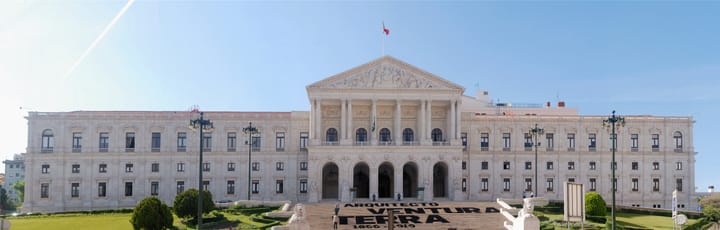
Portugal's Ministry of Foreign Affairs has publicly endorsed the proposal by EU High Representative Kaja Kallas to lift European sanctions on Venezuela's interim president, Delcy Rodriguez, in a diplomatic move that carries particular significance...
Portugal's Ministry of Foreign Affairs has publicly endorsed the proposal by EU High Representative Kaja Kallas to lift European sanctions on Venezuela's interim president, Delcy Rodriguez, in a diplomatic move that carries particular significance for the estimated 200,000 Portuguese-Venezuelans with ties to both countries.
The announcement, made via the ministry's official social media channels on Sunday evening, was unequivocal: "Portugal supports the initiative of Kaja Kallas to propose the lifting of EU sanctions on the interim president of Venezuela, Delcy Rodriguez. It is essential to progress toward democratic transition and to free all political prisoners, especially the Luso-Venezuelans."
The explicit mention of Luso-Venezuelans -- Portuguese citizens and dual nationals detained or affected by the Venezuelan political crisis -- underscores how deeply personal this issue is for Lisbon. Portugal has one of the largest diaspora communities in Venezuela, a legacy of mid-twentieth-century emigration that created deep cultural and family ties between the two countries. The political turmoil that has gripped Venezuela since the disputed elections has left many of these families caught between two worlds, with relatives unable to leave or facing persecution.
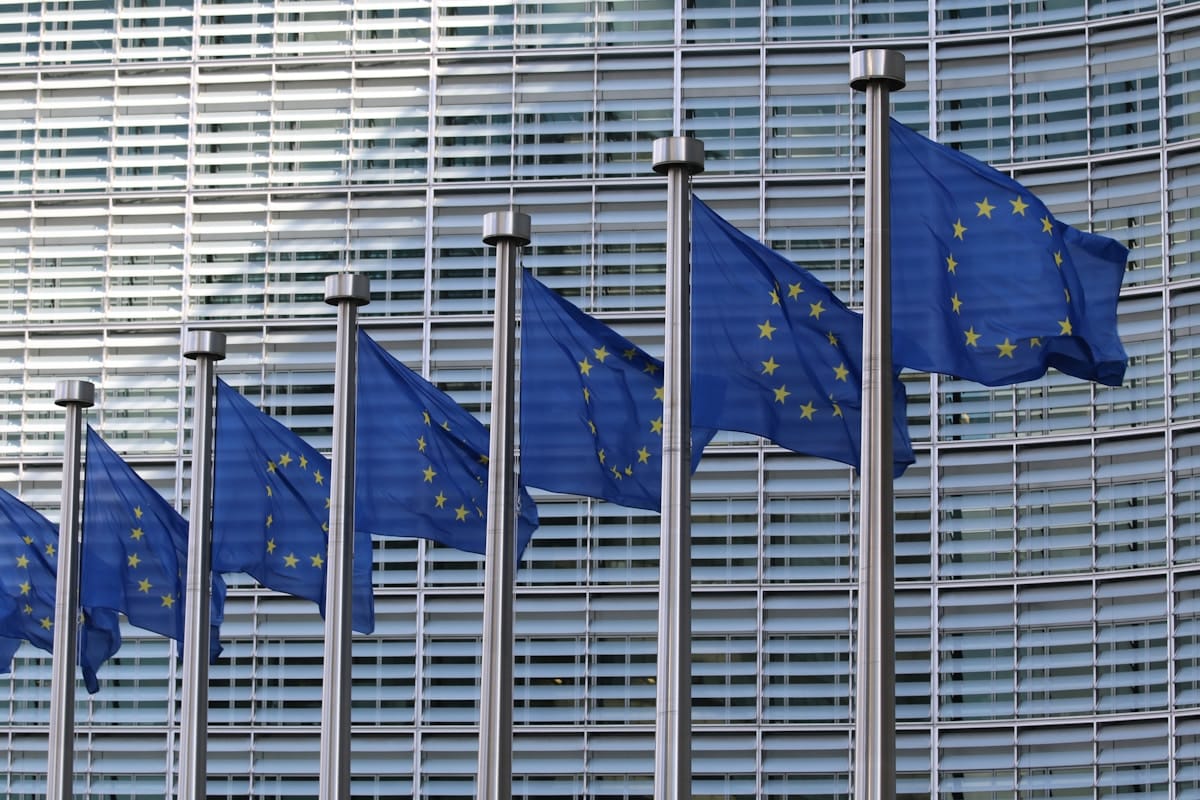
Kallas announced the proposal ahead of Monday's Foreign Affairs Council meeting in Brussels, where Spain also pushed for sanctions relief. The rationale is pragmatic rather than ideological: Caracas approved a limited amnesty for political prisoners, and EU diplomats see the sanctions adjustment as a lever to encourage further steps toward democratic normalisation. Whether all 27 member states will reach consensus remains uncertain.
The broader context is the evolving relationship between Europe and Latin America at a moment when US foreign policy under the Trump administration has taken an aggressive turn toward Venezuela, including military threats and expanded sanctions. The EU's more measured approach -- conditional engagement rather than confrontation -- reflects a different calculation about how to influence outcomes in Caracas.
For the Portuguese-Venezuelan community in Portugal, concentrated in areas like Lisbon, Madeira and parts of the Algarve, any diplomatic progress is welcome news. Many have spent years navigating bureaucratic obstacles to bring family members to safety, and the fate of detained Luso-Venezuelans has been a recurring source of anguish. Portugal's vocal support for sanctions relief, conditioned on continued democratic progress, positions Lisbon as an active advocate for its citizens abroad rather than a passive observer of EU consensus.