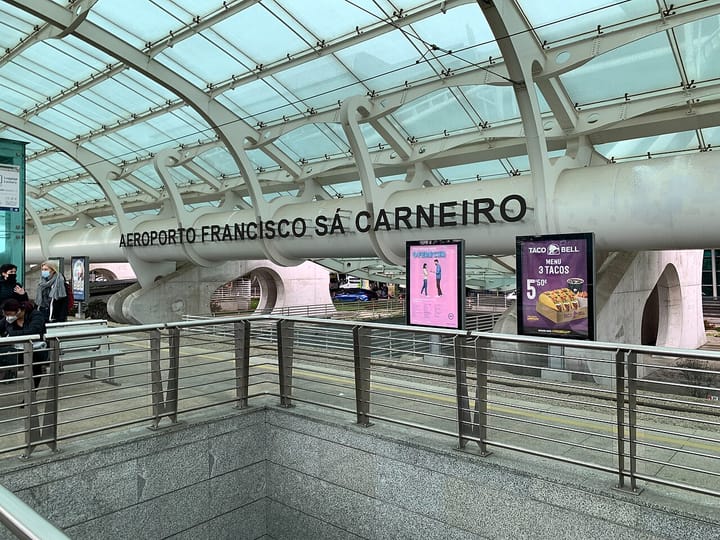
Porto Airport Marks 80 Years with Government Growth Pledge
Portugal's Minister of Infrastructure and Housing, Miguel Pinto Luz, used the 80th anniversary celebration of Porto's Francisco Sa Carneiro Airport to deliver a forceful message: the government intends to place Porto and its surrounding region "at...
Portugal's Minister of Infrastructure and Housing, Miguel Pinto Luz, used the 80th anniversary celebration of Porto's Francisco Sa Carneiro Airport to deliver a forceful message: the government intends to place Porto and its surrounding region "at the centre of national airport policy."
Speaking at a ceremony attended by Prime Minister Luis Montenegro, the minister announced plans to increase the airport's capacity from 24 to 26 flight movements per hour before the end of 2026. The event also marked the official inauguration of the airport's structurally reinforced runway and a new Airport Operational Centre.
No More Delays, Minister Warns Vinci
Pinto Luz directed pointed remarks at Vinci, the French conglomerate that manages Portugal's airports, making clear that "the commitment to the Government is clear" and that there is no longer "time for further delays" or "indecision."
The minister described a broader investment vision covering all Portuguese airports. "The investment is clear in all national airports; we will not give up on them," he said, referencing ongoing work at Lisbon's Humberto Delgado Airport and the future Vaz de Camoes Airport, Lisbon's long-planned new facility.
Vinci has committed to nearly doubling the number of boarding bridges at the existing Lisbon airport, improvements intended to keep Humberto Delgado functional and efficient until the new airport -- projected to open between 2034 and 2036 -- is ready.
Porto's Growing Importance
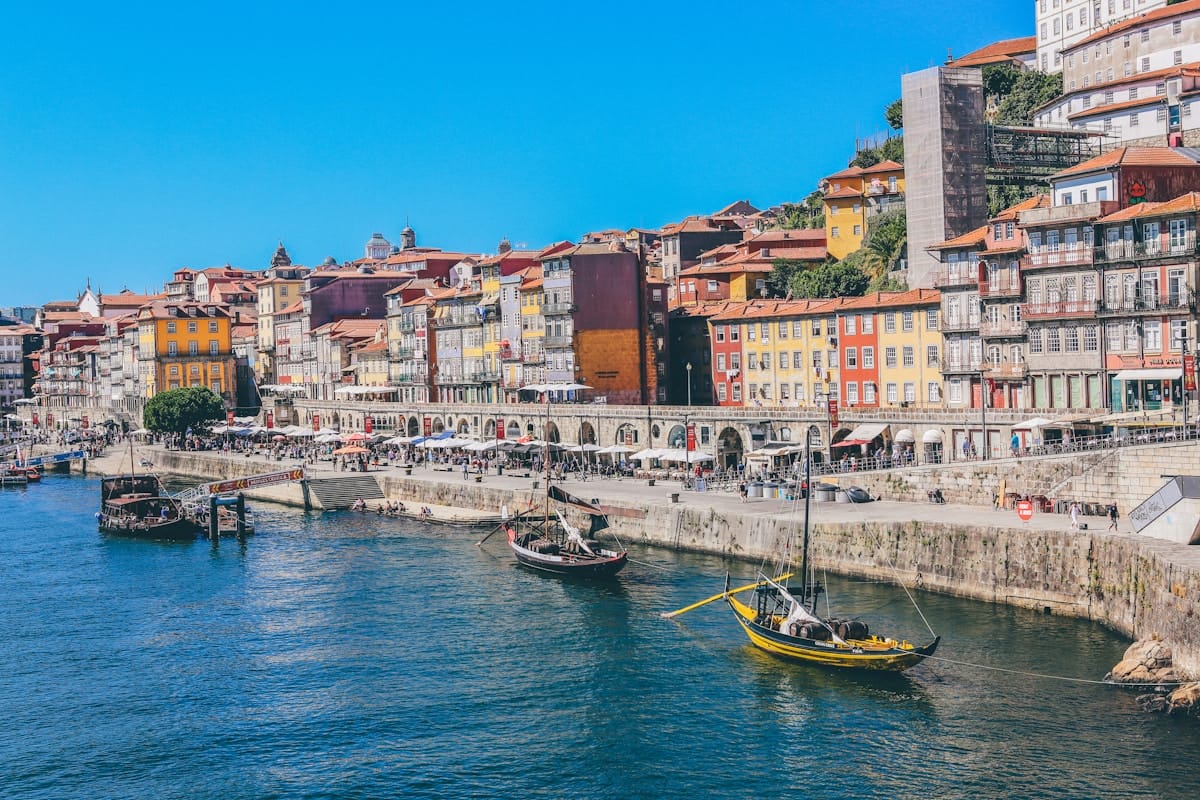
The capacity increase at Porto Airport reflects a broader trend. The northern hub has been outpacing Lisbon in growth rates for several years, driven by a surge in low-cost carriers, increased tourism to the Porto and Douro regions, and growing business traffic. UK landings at Porto have increased sharply, and the airport has become an increasingly important gateway for visitors from across Europe.
The runway reinforcement works, now completed, ensure the airport can handle heavier and more frequent traffic, while the new operational centre upgrades the facility's management and coordination capabilities.
The National Airport Picture
Portugal's airport strategy has been a source of political debate for decades, particularly around Lisbon's chronic capacity constraints. The government's current approach attempts to balance investment across multiple airports rather than concentrating resources on a single new build.
The TAP privatisation, expected to be completed in the second half of 2026, adds another dimension to the conversation. Bidders for Portugal's flag carrier are being required to strengthen operations beyond Lisbon, a condition that could channel more routes and connectivity through Porto and other regional airports.
What This Means for Expats and Travellers
For the large and growing foreign community in northern Portugal, the government's commitment to Porto Airport is welcome news. More flight movements per hour means more routes, better connections, and potentially more competitive fares. The improvements are especially relevant for expats who rely on Porto as their primary gateway to and from Portugal.
The broader airport investment programme also signals that Portugal is taking its transport infrastructure seriously at a time when the country's appeal as a destination -- for tourism, remote work, and permanent relocation -- depends increasingly on reliable and well-connected air links.
Travellers passing through Porto in the coming months may notice some of the new infrastructure already in use. The reinforced runway is operational, and the new control centre is expected to improve turnaround times and operational efficiency as the airport gears up for the busy summer season.