Parliament's Blackout Working Group Says CORGOV Is Beyond Its Reach — Confidentiality Wall Stops MPs Scrutinising the Government's Crisis-Response Cell on the Eve of the One-Year Anniversary
Parliament's apagão working group finalised a draft report this weekend that admits CORGOV — the Government's new crisis-response cell created after the 28 April 2025 blackout — is beyond MPs' reach because of confidentiality. The vote lands Tuesday, exactly one year after the lights went out.
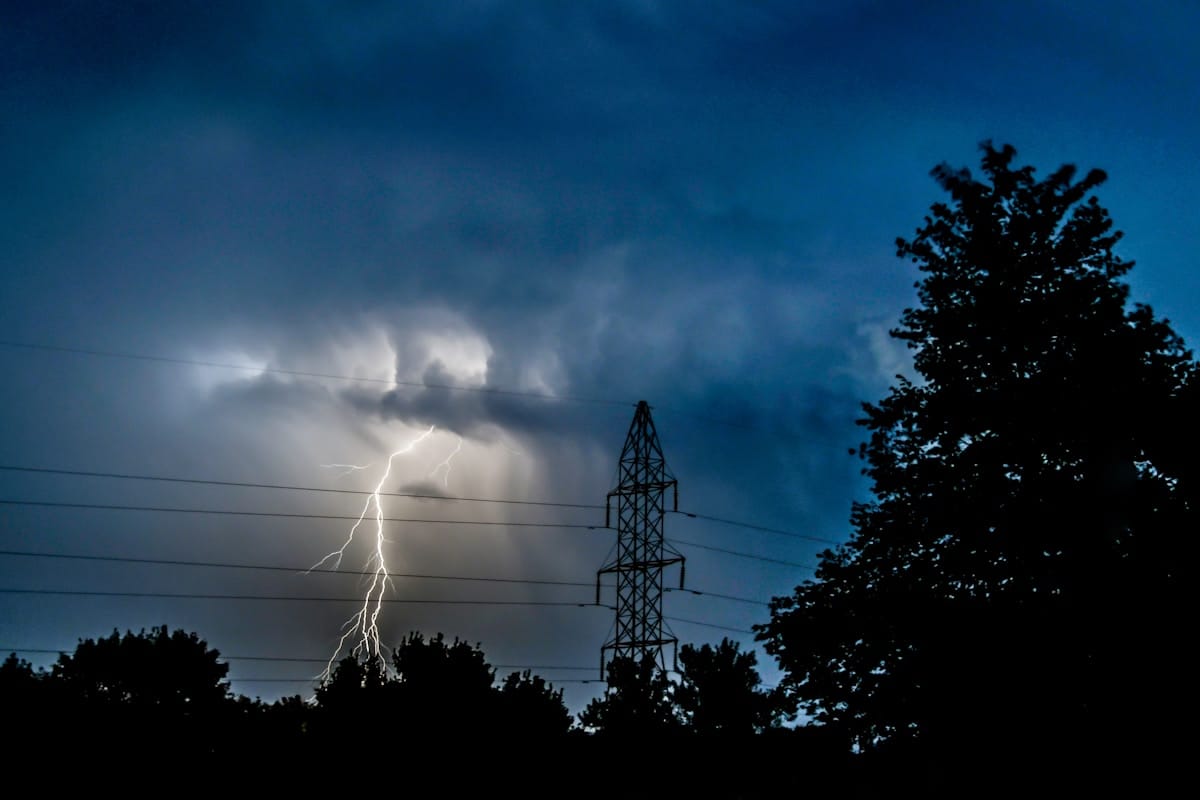
Two days before the first anniversary of the 28 April 2025 blackout, the Assembleia da República's working group on the apagão has finalised a draft report that lands with an awkward admission: the body created by the Government precisely to coordinate the political response to the next national crisis is fora do alcance do escrutínio parlamentar — beyond parliament's reach. According to the draft text reviewed by Público on Sunday, MPs investigating the blackout esbarrou na confidencialidade when they tried to evaluate the new structure.
What CORGOV Is, and What It Isn't
CORGOV — the Centro de Operação e Resposta do Governo — was set up in late November 2025 as the executive's answer to one of the loudest criticisms after the April 2025 blackout: that there was no formal political coordination cell, no playbook and no chain-of-command guião governing how ministers communicate with each other, with the regulators, and with the public when the lights go out and the SIRESP and mobile networks degrade in parallel. CORGOV was supposed to fix that. It is described by Government as a permanent structure with a written manual of procedures that activates whenever a national-scale event of any nature — energy, communications, civil-protection — overwhelms the ordinary inter-ministerial channels.
What CORGOV is not, on the evidence of the parliamentary draft, is something MPs can actually look at. The structure's internal procedures, its activation triggers, the identities of the operational members, and the reporting lines into the Conselho de Ministros are all classified under the executive's confidentiality regime. The working group, which has heard from operators, regulators and the autoridades since the autumn, was unable to obtain the operational documentation it asked for.
The Recommendation That Will Land on the Floor on Tuesday
The report is scheduled to be voted on Tuesday — 28 April 2026, the literal anniversary of the blackout. Its central recommendation, on the communications side, is that the executive develop population-alert mechanisms that do not rely exclusivamente on the commercial mobile operators. The text references the forte incerteza e degradação progressiva das comunicações recorded during the 28 April 2025 outage, when MEO, NOS and Vodafone networks degraded over hours rather than minutes as backup batteries on cell-tower sites ran down. SIRESP — the State's emergency-services network — degraded with them, since it shares much of the underlying transmission backbone.
Independent alerting has been a known gap since the European peer-review work began. ENTSO-E, the continental grid body, is on track to publish its definitive blackout report by 30 September 2026 at the latest. The Portuguese parliamentary text is the sovereign-side complement to the technical European inquiry, and Tuesday's vote crystallises the political reading.
Why the Confidentiality Wall Matters
The CORGOV opacity issue is not abstract. The whole point of an after-action governance reform is that the next crisis exposes whether the lessons stuck. If the structure designed to operationalise those lessons cannot be scrutinised by MPs in peacetime, the only test of whether it works is the next event. That is a high-risk audit methodology for a country that has just lived through a full-territory power outage, the worst storm season in living memory and a fire campaign whose meteorological set-up the Interior Minister has himself called terrível.
Government has so far defended the confidentiality regime on the grounds that operational crisis-response procedures cannot be fully public without compromising their effectiveness. The working group's response, on Tuesday, will be to put on the parliamentary record the gap that confidentiality has left.