Only Hungary Has Seen Faster House Price Growth Than Portugal in the Last Decade, Eurostat Data Shows
Portugal's housing market has delivered the second-largest price surge in the entire European Union over the past decade, surpassed only by Hungary, according to fresh data published by Eurostat on Monday. Between 2015 and 2025, Portuguese house...
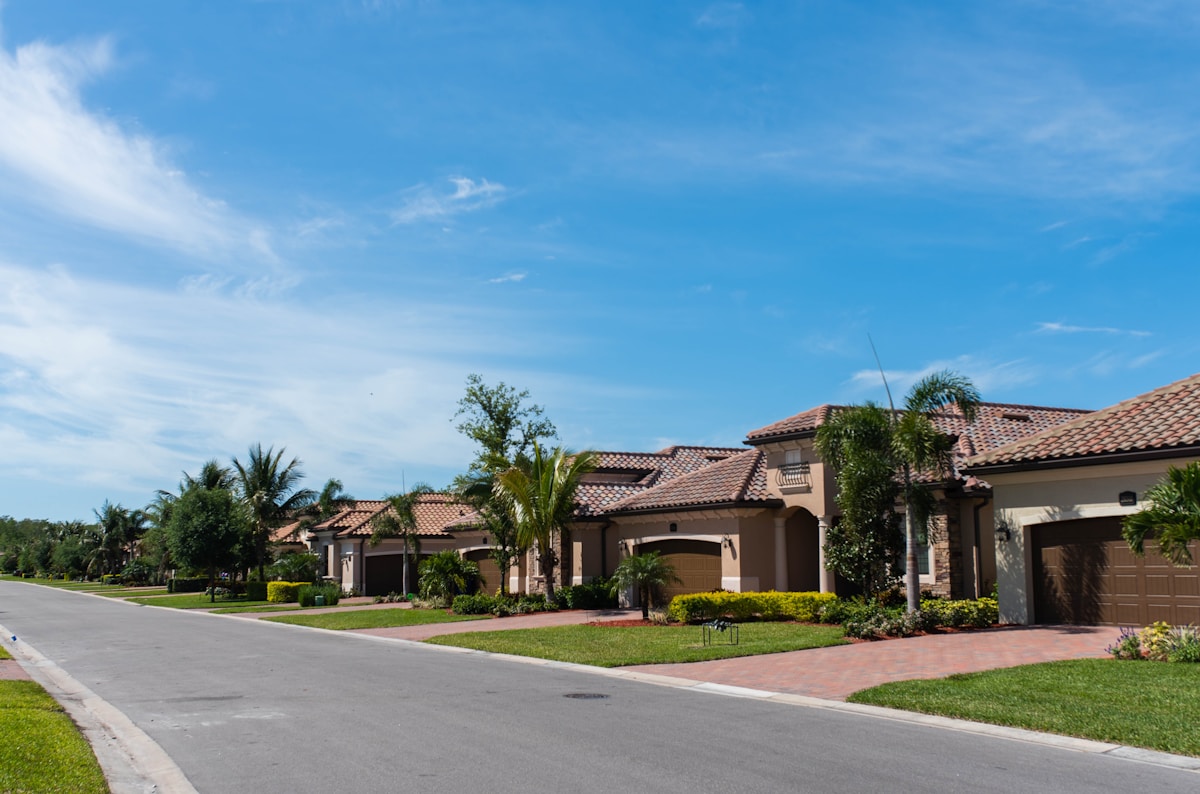
Portugal's housing market has delivered the second-largest price surge in the entire European Union over the past decade, surpassed only by Hungary, according to fresh data published by Eurostat on Monday.
Between 2015 and 2025, Portuguese house prices rose by approximately 180 per cent — nearly three times the EU average of around 65 per cent. Only Hungary exceeded that figure, with prices climbing close to 300 per cent over the same period.
A Continent-Wide Boom, but Portugal Stands Out
The Eurostat figures place Portugal firmly in an elite group of EU countries where property values have more than doubled in ten years. Lithuania, Bulgaria, and Czechia also recorded gains above 150 per cent, but none matched Portugal's rate of appreciation.
At the other end of the scale, Finland actually saw prices fall by 3 per cent over the decade. Italy, France, Sweden, and Belgium all posted the most modest growth, with increases below 50 per cent.
The data underscores a structural shift in Portugal's property market that accelerated after the Golden Visa programme, the Non-Habitual Resident (NHR) tax regime, and a post-2015 tourism boom drew international capital into Lisbon, Porto, and the Algarve.
Rents Tell a Different Story
Interestingly, Portugal's rental market has not kept pace with the property price explosion. Over the same ten-year period, Portuguese rents rose by less than 50 per cent — placing the country 12th in the EU, roughly level with Belgium.
Hungary again led the pack on rents, with increases exceeding 100 per cent. Lithuania (88 per cent), Ireland (76 per cent), and Poland (76 per cent) also recorded far steeper rental inflation than Portugal.
The divergence between purchase prices and rents suggests that much of Portugal's house price growth has been driven by investment demand — including foreign buyers, short-term rental conversions, and speculative purchases — rather than by domestic rental-market fundamentals.
What This Means for Residents and Buyers
For anyone considering buying property in Portugal, the numbers are a reminder that the window of relative affordability has narrowed sharply. A home that cost EUR 150,000 in Lisbon in 2015 would, on average, be worth around EUR 420,000 today.
The government has responded with a series of measures over the past two years, including the end of the Golden Visa for residential property, restrictions on new short-term rental licences in high-pressure zones, and tax incentives for landlords who offer long-term leases at below-market rents.
Whether those interventions will be enough to cool a market that has outpaced nearly every other country in Europe remains an open question — particularly as Portugal's economy continues to attract foreign workers, digital nomads, and retirees drawn by its climate, safety, and quality of life.
Source: Eurostat, as reported by ECO.