Nuclear Energy Debate Heats Up in Portugal as Europe Confronts Its Energy Dependence
As the conflict in Iran sends energy prices surging across Europe, a question that Portugal has long dismissed is returning with new force: should the country reconsider nuclear power? The debate was reignited last week when European Commission...
As the conflict in Iran sends energy prices surging across Europe, a question that Portugal has long dismissed is returning with new force: should the country reconsider nuclear power? The debate was reignited last week when European Commission President Ursula von der Leyen declared at a nuclear summit in Paris that Europe had made a "strategic mistake" by moving away from nuclear energy and announced 200 million euros in new EU funding for the sector.
Portugal's Position: Renewables First
Portugal has no nuclear reactors and no plans to build any. The Minister for the Environment and Energy, Maria da Graca Carvalho, stated in November that nuclear energy is "not suitable for a country like Portugal." Her argument rests on two pillars: the country lacks domestic nuclear technology, making construction prohibitively expensive, and renewable electricity remains "simpler and cheaper."
The numbers partially support this position. Portugal has been a European leader in renewable energy adoption, with wind and solar providing an increasing share of the electricity mix. The country regularly achieves periods where renewable sources cover more than 100 percent of domestic electricity demand. Hydroelectric power from the country's dam network provides a degree of storage and flexibility that many European neighbours lack.
But critics argue this narrative ignores crucial vulnerabilities. Portugal's renewable output is weather-dependent, and the increasing frequency of drought years threatens hydroelectric production. The country remains connected to the Spanish electricity grid and, by extension, dependent on broader European energy markets. When those markets spike, as they have during the Iran crisis, Portugal's consumers feel the impact regardless of domestic renewable capacity.
The Case for Reconsidering
Bruno Soares Goncalves, president of the Institute of Plasmas and Nuclear Fusion, has pushed back against the government's stance. In an interview with Euronews, he argued that Portugal needs to conduct a comprehensive "Total System Cost Study" before ruling out any energy source.
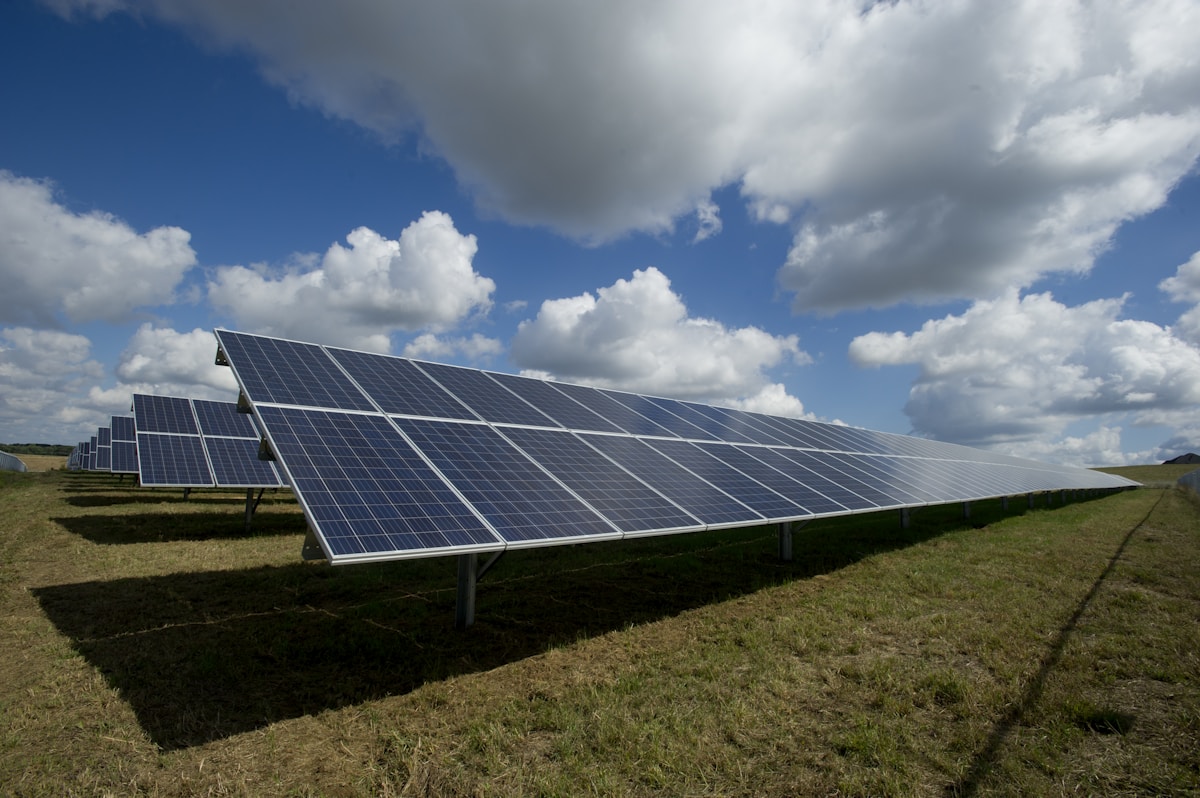
"There is no single solution," Goncalves said. "Renewables exist and are there. We can discuss the current dependence on China, which produces more than 80 percent of solar panels, but apart from that, they are part of the portfolio. They can't be the only source."
He pointed to the emergence of small modular reactors as a potential game-changer for countries without existing nuclear infrastructure. These smaller, factory-built units could reduce the enormous upfront costs that have historically made nuclear unviable for smaller economies. The physicist also suggested that even if Portugal does not build reactors, it should seek involvement in the nuclear supply chain, including the production of components or purified salt for molten salt reactors.
The geopolitical dimension has grown harder to ignore. The US and Israeli strikes on Iran have exposed Europe's continued dependence on fossil fuel imports, with Brent crude surpassing 106 dollars per barrel and subsidised fuel prices in Portugal rising 10 to 20 percent. Nuclear energy, whatever its costs and complexities, offers baseload power generation free from the volatility of fossil fuel markets.
What Neighbouring Countries Are Doing
Spain operates seven nuclear reactors that generate roughly a fifth of its electricity. France, Europe's nuclear powerhouse, derives approximately 70 percent of its power from nuclear plants. Both countries are exploring next-generation nuclear technologies, including the small modular reactors that Goncalves advocates.
Portugal's position as the only Iberian nation without nuclear capacity means it effectively imports nuclear-generated electricity through its grid connection to Spain while maintaining a domestic policy of nuclear avoidance. Some energy analysts view this as an inconsistency that deserves public debate.
Implications for Residents and the Economy
For households and businesses in Portugal, the immediate concern is not the nuclear question but the energy bills arriving now. The Iran conflict has pushed fuel costs sharply higher, and electricity prices, while buffered by Portugal's renewable capacity, are not immune to European market dynamics.
The longer-term question is whether Portugal's all-in bet on renewables can deliver the energy security that a modern economy requires. The country's growing tech sector, expanding data centre ambitions, and electrification of transport will all demand reliable, affordable baseload power. Whether that comes from an enhanced renewable grid, nuclear energy, or some combination of both is a debate that Portugal can no longer afford to postpone.
Background: See Brussels' CJEU referral on the RED III renewables-directive non-transposition.